TL;DR
In 2026, fusion interior styles are replacing rigid design categories. Homeowners are embracing personal, layered, and emotionally comfortable spaces instead of sticking to a single trend. This shift is driven by AI tools, social media, design psychology, and changing family needs, resulting in adaptable and timeless interiors.
The Big Shift: Why Interior Design Is Changing in 2026
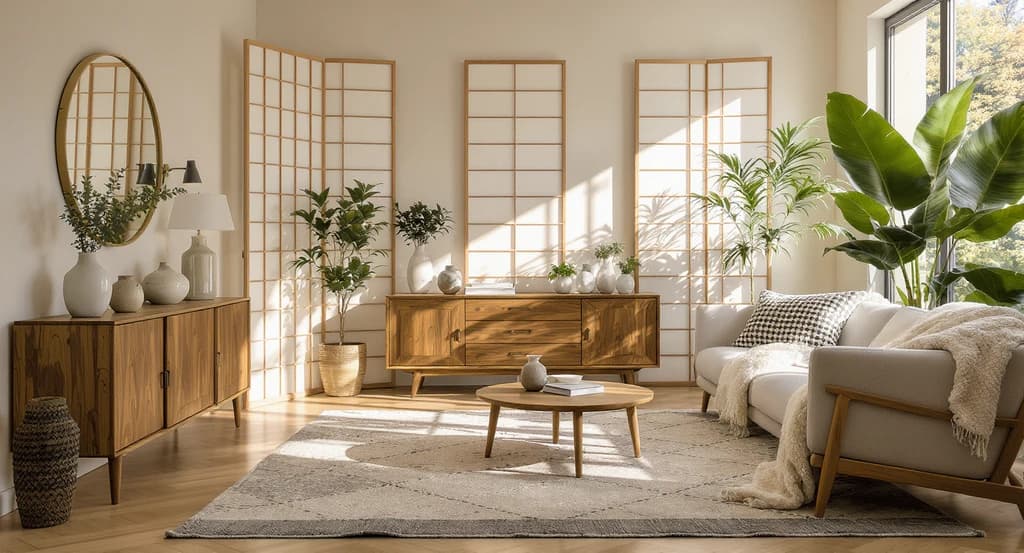
Fusion interiors come alive through ai home design, blending mixed styles and curated objects, showing how ai personalizes layered interior spaces for emotionally engaging rooms.
Most people struggle with interior design decisions because traditional style categories no longer reflect how modern homes actually function. Rigid aesthetics like minimalism, farmhouse, or contemporary design can feel disconnected from daily routines, creating pressure to choose between a visually perfect space and one that genuinely supports real life.
In 2026, homeowners are asking less, “What style is this?” and more, “How does this space support my life?” This shift reflects the growing demand for human-centered home design, where emotional comfort, flexibility, and usability matter more than strict visual identity.
Fusion styles are replacing traditional interior trends because they allow spaces to evolve with changing routines, hybrid lifestyles, and personal needs. Instead of designing around one rigid aesthetic category, homeowners are creating layered interiors that feel more adaptable, personal, and emotionally connected.
-
What Are Fusion Styles in Interior Design?
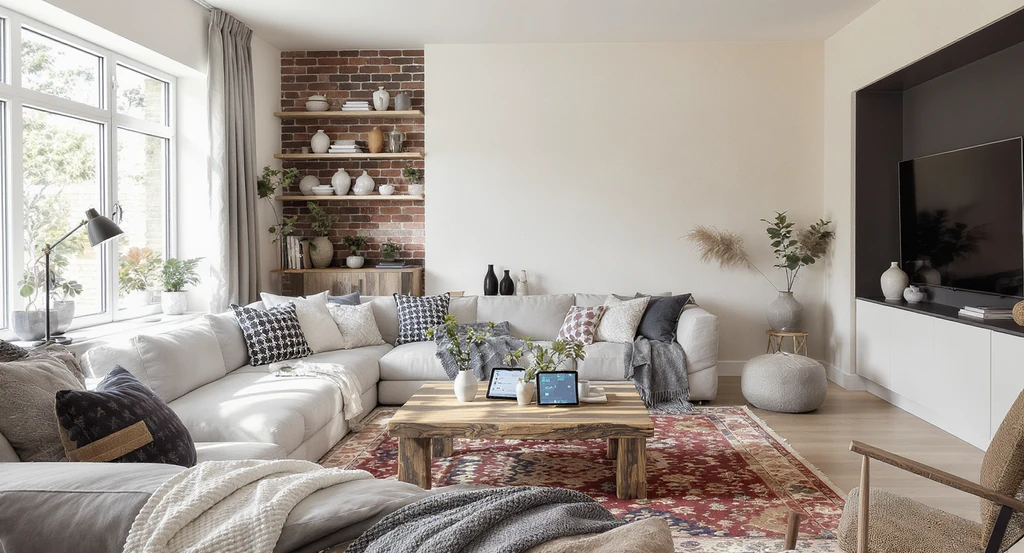
A fusion interior designed with ai home design tools blends minimalist foundations, vintage accents, and layered organic textures to create emotionally engaging, personalized spaces.
Fusion interior design blends elements from multiple styles to create spaces that feel visually cohesive, emotionally authentic, and adaptable to real living. Unlike eclectic interiors that can sometimes appear visually chaotic, fusion styling is intentional and balanced, combining layered influences with comfort, functionality, and personal storytelling.
In 2026, fusion spaces often combine modern architecture with vintage accents, Japandi minimalism with organic textures, or clean layouts with handcrafted décor. The most effective fusion interiors typically include one primary foundation, a complementary secondary influence, and a personal layer made up of meaningful objects, collected pieces, or artisanal details. This approach creates emotional realism rather than simply following design trends.
Expert Insight
A client once hesitated to mix their grandmother’s antique sideboard with their modern sofa, afraid it would "look wrong." After we layered in a vintage rug and neutral walls, the room felt balanced and personal, proving that controlled fusion results in a more authentic space than strict adherence to one style.
-
Why Single-Style Interiors Cause Decision Friction
Many homeowners feel frustrated by traditional interior style systems because rigid design categories often create decision paralysis. People worry about choosing the “wrong” style, creating mismatched spaces, or investing in interiors that may quickly feel outdated. This pressure has intensified as social media and AI tools expose users to thousands of competing design ideas every day.
As explored in our breakdown of AI's impact on interiors, fusion styling reduces this friction by allowing homeowners to blend influences, keep existing pieces, and adapt spaces as lifestyles evolve. This flexibility is one reason why layered interiors are increasingly preferred over rigidly themed rooms that can feel emotionally disconnected or visually restrictive.
For years, interior trends prioritized visual perfection over emotional usability. However, many homeowners now realize that highly coordinated interiors can feel difficult to maintain and less supportive of real daily living. Fusion interiors help reduce this tension by creating spaces that feel curated, flexible, and more naturally livable.
-
The Psychological Reasoning: Why Fusion Feels Better
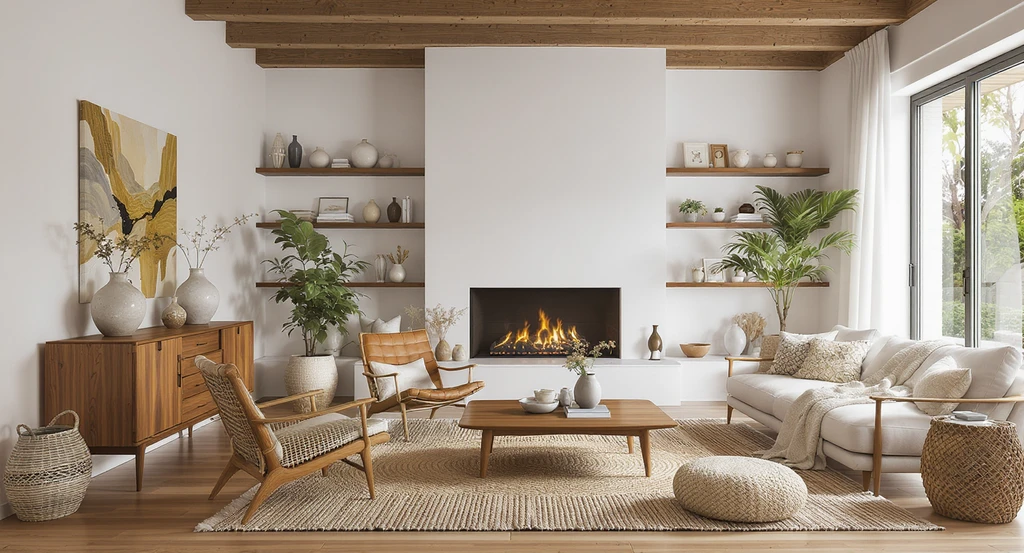
How ai home design for fusion interiors creates emotionally engaging rooms: Layered textures, personal objects, and natural materials exemplify how ai personalizes hybrid home decor for comfort and evolving lifestyles.
Spaces layered with different influences often feel more comfortable and emotionally engaging than perfectly coordinated single-style interiors. Design psychology shows that people naturally connect with spaces that include texture, contrast, memory, and tactile depth, qualities often missing from sterile or overly trend-driven rooms.
Fusion design creates this emotional connection by blending warmth, personal storytelling, and flexibility through layered textures, natural materials, inherited pieces, and meaningful décor. These elements help reduce the mental fatigue associated with cold minimalism while making spaces feel more authentic and livable.
- Sensory warmth through texture and natural materials
- Emotional storytelling with personal or inherited objects
- Flexibility to evolve with changing lifestyles
Because modern homes now function as workspaces, relaxation zones, and social environments simultaneously, fusion interiors work especially well by creating layered, adaptable, and human-centered spaces that better reflect real daily living.
-
How Digital Tools and AI Accelerate the Fusion Trend
AI-generated visualization and instant access to global design inspiration have disrupted traditional trend cycles. Homeowners now expect to experiment with layered and hybrid interiors before making real purchasing decisions. As explored in the rise of AI interior design, inspiration platforms increasingly present blended spaces as the standard rather than the exception.
Social media and AI tools now reward originality, emotional realism, and personal storytelling over rigid style conformity. As a result, single-style interiors are becoming less dominant while layered fusion spaces continue to gain popularity. AI did not just accelerate design trends, it weakened the authority of rigid style categories altogether.
Visualization platforms are also reducing the fear of experimentation by allowing homeowners to test layered combinations digitally before committing to expensive changes. This makes fusion styling feel more accessible, adaptable, and practical for modern living.
-
The Decline of Cold Minimalism: Comfort Over Perfection
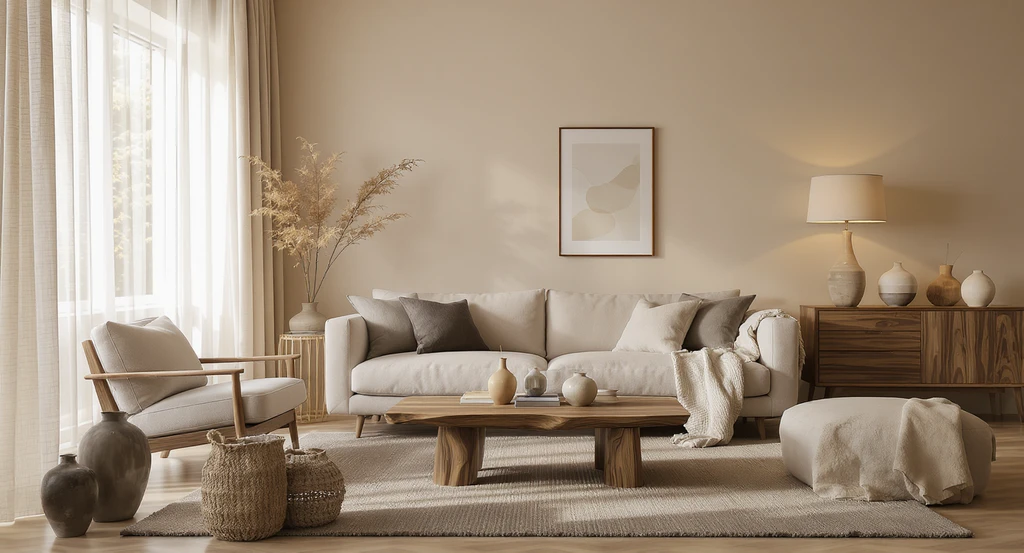
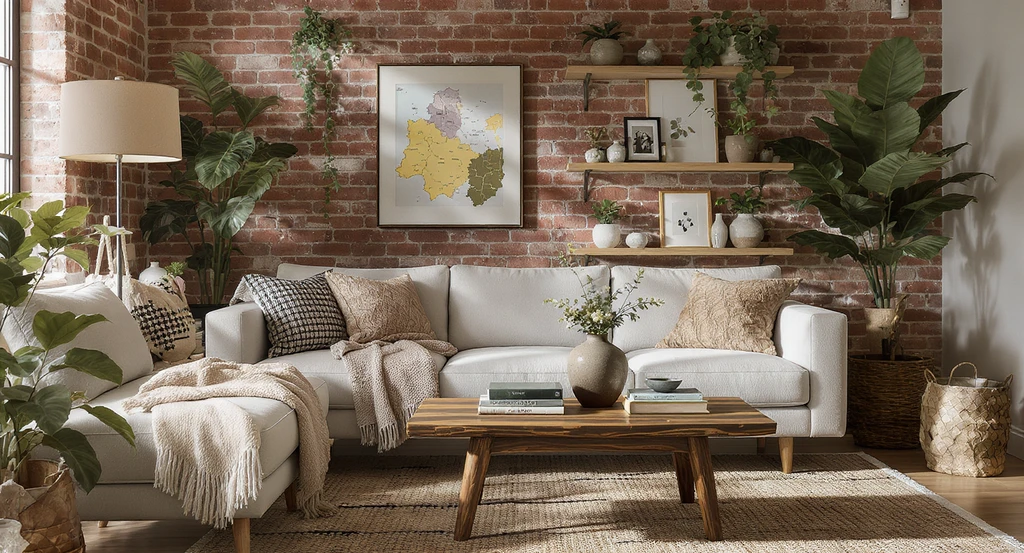
This ai visualization for hybrid home decor demonstrates how ai personalizes layered interior spaces with warm minimalism, blending organic woods, handcrafted accents, and cozy textures to create emotionally engaging rooms using ai interior design tools for mixed styles.
Pure minimalism is losing popularity because highly sterile interiors can feel emotionally cold and impractical for everyday living. While many homeowners admired minimalist spaces online, they often discovered these rooms felt visually flat and difficult to maintain over time.
Fusion styling solves this by combining minimalist layouts with warmer, more human-centered elements like textured fabrics, handcrafted décor, organic woods, natural stone, and ambient layered lighting. This creates a form of warm minimalism that feels more comfortable, adaptable, and emotionally engaging.
- Textured fabrics
- Handcrafted décor
- Organic woods and natural stone
- Ambient, layered lighting
The growing discussion around fusion vs minimalist interiors reflects a broader shift toward comfort-driven living rather than visual perfection alone, where simplicity and warmth coexist in a more balanced and livable way.
-
How Fusion Interiors Improve Real Estate Listings
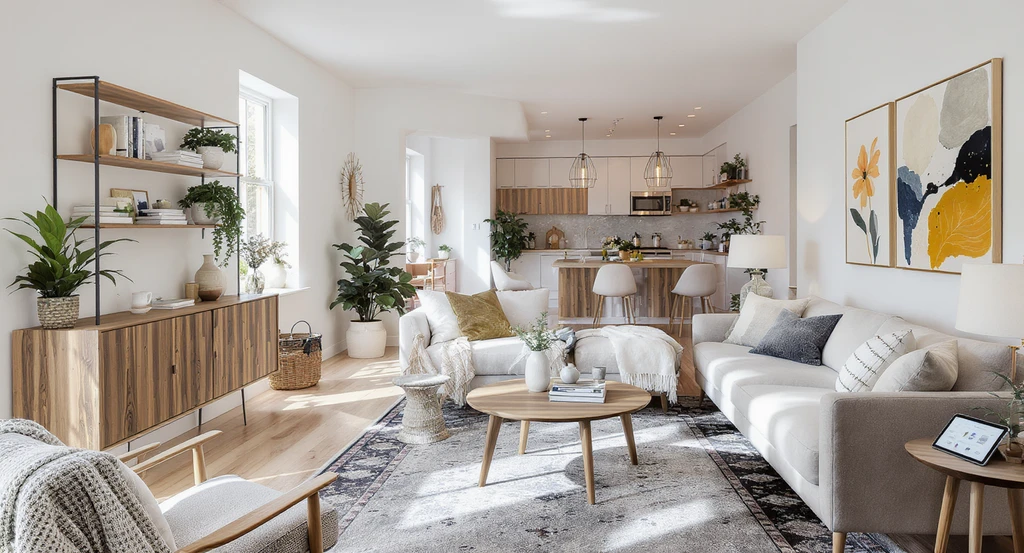
A real estate listing showcases ai home design for fusion interiors—layered, mixed styles personalized by ai interior design tools to create an emotionally engaging space.
Homes styled with fusion interiors often outperform strictly staged spaces because buyers connect more easily with layered, human-centered environments rather than rooms tied to one rigid aesthetic. These spaces feel more adaptable, relatable, and emotionally engaging, helping buyers imagine their own lifestyle within the home.
Fusion interiors can improve buyer engagement, reduce perceived design risk during walkthroughs, and support emotional decision-making by reflecting modern living patterns. Visualization tools also help buyers understand how a space can evolve for different needs, making listings feel more flexible and approachable.
- Increase buyer engagement through distinctive styling
- Reduce perceived design risk during walkthroughs
- Support emotional, lifestyle-driven decision-making
In many staged listings, spaces designed with strict minimalism initially photographed well but felt emotionally flat in person. Adding layered textures, warmer lighting, and subtle vintage accents often made the same rooms feel more comfortable, believable, and memorable to buyers.
-
Sustainability, Longevity, and Intentional Purchasing
Traditional trend cycles often encourage complete renovations and frequent furniture turnover, making interior updates both wasteful and expensive over time. In contrast, fusion design supports a more sustainable and intentional approach by allowing homeowners to blend existing furniture with newer pieces, vintage finds, and artisan décor without needing to redesign an entire room.
This layered approach leads to longer furniture retention, more thoughtful purchasing decisions, and reduced environmental impact while still keeping interiors visually current and emotionally personal. Instead of chasing short-lived trends, homeowners can gradually evolve their spaces in ways that feel authentic and adaptable.
Fusion design also reduces the pressure to completely replace interiors every few years. Because layered spaces evolve incrementally, homeowners can selectively update lighting, textiles, or accent pieces rather than rebuilding entire rooms whenever design trends shift.
-
Practical Steps: How to Create a Fusion Interior the Right Way
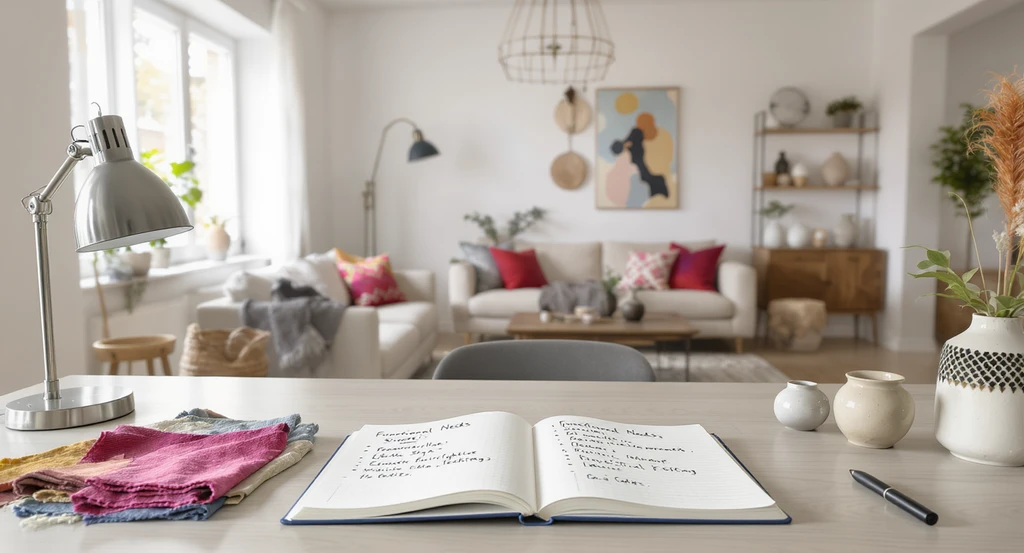
Explore how ai home design for fusion interiors guides you through personalized layering, style selection, and balance for emotionally engaging rooms.
Most decision friction comes from not knowing how to blend influences without creating visual chaos. A structured, step-by-step approach helps balance functionality, personality, and cohesion while keeping the space visually intentional.
- Define Your Functional Needs: List how you plan to use each space.
- Choose a Primary Style: Select one core aesthetic for the room.
- Add Secondary Influences: Introduce a few contrasting textures, décor pieces, or materials.
- Layer with Personal Elements: Add meaningful objects, vintage finds, or handcrafted accents.
- Edit for Balance: Remove anything that feels cluttered or visually disconnected.
This process helps avoid common mistakes like overcrowding a room, mixing too many styles, or losing visual cohesion while still creating a layered and personalized interior.
-
Key Takeaways: Why Fusion Is the Future
Fusion design reflects a more realistic, emotionally resonant approach to how people want to live now. It removes the decision friction created by style rules, supports sustainable purchasing, and encourages listings that visually perform better in a crowded marketplace. Visualizing the possibilities, before making big changes, removes uncertainty and sets every stakeholder up for a better result.
Visualization Scenario
Imagine entering an apartment where a sleek sectional sits beside a warm wood credenza, natural linens soften sculptural lighting, and handmade pottery rests on a minimalist table. This fusion space feels lived-in, relatable, and adaptable, making it easy for viewers to picture their own life within its flexible layers.
Frequently Asked Questions About Fusion Interior Design
- Why are fusion interiors becoming more popular in 2026?
- Fusion interiors are becoming more popular because homeowners want spaces that feel emotionally comfortable, adaptable, and personalized rather than strictly tied to one design style.
- Can fusion interiors feel minimalist?
- Are fusion interiors the same as eclectic design?
- No, fusion interiors focus on intentional balance and restraint while eclectic design emphasizes bold stylistic variety. Fusion is about cohesion, not visual randomness.
- Can fusion interiors feel minimalist?
- Yes. You can combine minimalist layouts with warm textures, vintage accents, and layered lighting for a space that balances simplicity and comfort.
- Will fusion design make my home look hectic?
- If executed with a structured approach, fusion interiors look layered and cohesive—not chaotic. Limiting style mixes and editing for balance is key.
- Is fusion design more sustainable?
- Often, yes. Fusion design encourages mixing newer, existing, and vintage pieces—supporting intentional purchasing and reducing furniture waste over time.
- Does fusion design work in compact spaces?
- Absolutely. Because fusion styling is based on function and layering, it works particularly well where you need both personality and practicality.
Conclusion: Design for Real Living, Not Labels
Rigid trends no longer reflect real life. The rise of fusion interiors in 2026 responds to deep changes in how spaces are used, experienced, and perceived. Blended styles provide emotional warmth, visual adaptability, and improved listing performance. Reducing design decision friction through visualization and curation is the most effective way to future-proof your home and your listings. Homes are no longer designed to fit trends; trends are being adapted to fit real life.