TL;DR
Most garage gym frustrations aren’t caused by a lack of space, they happen because everyday life slowly takes over the gym area. These 10 layout tips, grounded in real human experience and design expertise, will help you create a flexible and successful garage gym that stays usable and enjoyable for years.
Why Most Garage Gyms Fall Short
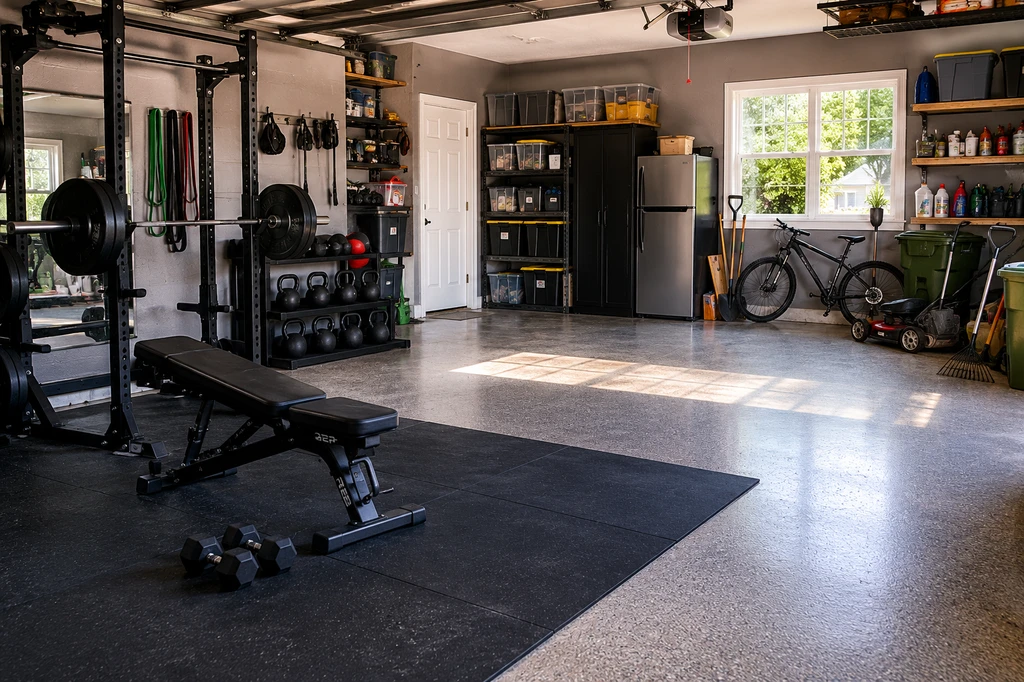
A realistic garage gym layout reveals the challenge of mixing workout space with storage and unused corners. See 10 Smart Garage Gym Layout Ideas—learn how to use empty garage corners and visualize potential in a blank garage for practical, flexible spaces.
Garage gyms sound like the perfect solution, set up some equipment, save time, and work out at home. But if you’ve ever found your workout area slowly turning into a storage corner or feeling cluttered and awkward, you’re not alone. Even smart homeowners get stuck: with so many layout options and clever-looking DIY setups online, it’s easy to underestimate the everyday challenges of shared spaces. When visuals or plans are machine-generated, they often miss practical details like how motivation, clutter, and changing routines affect us over time. Real design experts understand not just the measurements, but how a space really needs to function in the real world.
-
1. A Squat Rack Is More Than Its Size
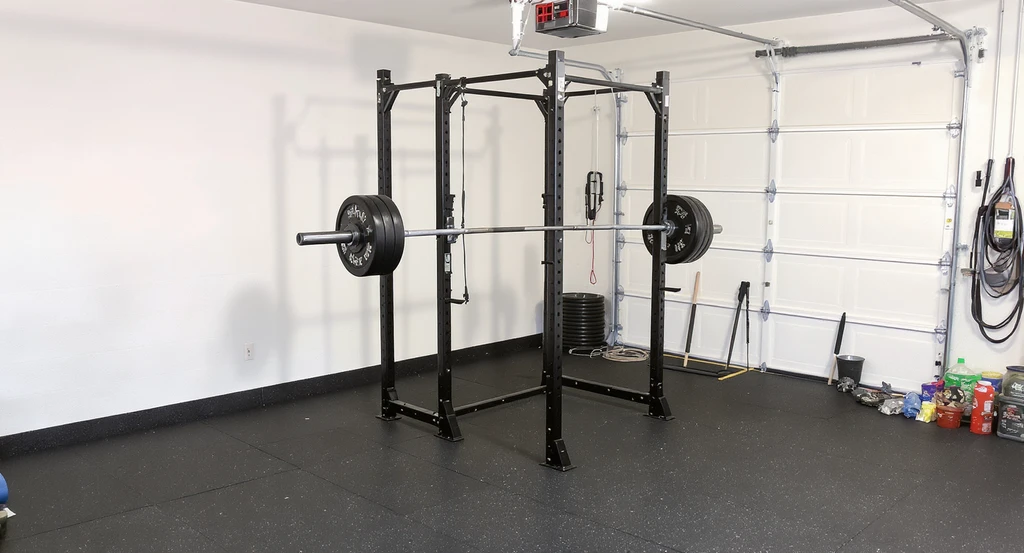
Carefully planned buffer zones around a squat rack are central to 10 Smart Garage Gym Layout Ideas—visualizing potential in a blank garage ensures safer, more flexible gym spaces.
A squat rack might fit the spot you measured, but have you considered the width of a loaded barbell or space for safe movement? Human-centered planning means thinking about how workouts flow not just how equipment fits. Overlooking this leads to cramped, unsafe workouts. Expert designers factor in extra movement and buffer zones, making sure you get maximum usability from every inch. Think workout space first, equipment size second.
Expert Insight
A homeowner planned her garage gym down to the inch but realized after months of use that she’d underestimated how much space her stretching routine would need, and how having to move storage boxes killed her motivation on busy days. After rearranging with an expert’s help, her workouts became easier to start and the gym felt twice as welcoming, even with less equipment.
-
2. Start Your Workout, Don’t Move Your Storage
If every exercise session requires shifting storage bins or folding equipment, your motivation will drop fast. The best garage gyms are the ones you can start using instantly, even on a busy day. Human expertise focuses on smooth, obstacle-free zones. This practical layout approach means you’re far more likely to stick with your routine long-term, because using your gym never becomes a chore.
-
3. Empty Space Is Your Secret Weapon
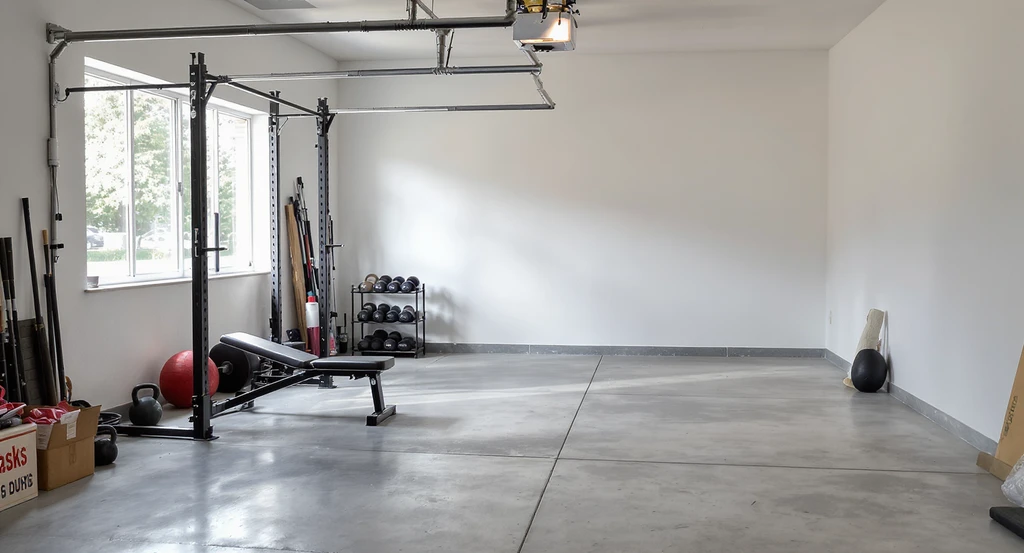
Leaving open floor areas and garage corners, as shown in this flexible gym layout, is one of the best ways to arrange garage gym open areas. This design tip from 10 Smart Garage Gym Layout Ideas helps visualize potential and supports an adaptable space as your routines evolve.
In a garage gym, open floors are gold. Many people try to fill every inch on day one but a year later, they miss flexibility. Open areas allow for stretching, warm-ups, or new routines. Human designers know some corners are best left open to maintain a space that adapts as your habits evolve. Don’t underestimate how much you’ll value this visual and physical breathing room over time.
-
4. Plan for Your Lowest Motivation Days
Anybody can use their gym when excitement is high. But after a long day, will you still work out if you need to rearrange everything first? A sustainable gym fits seamlessly into your tired or rushed days. This is where human empathy in design matters, it’s about crafting layouts that are forgiving and always ready, not just perfect for photo days.
-
5. Life Grows—And So Does Garage Clutter
You might build the perfect garage gym, but life won’t stop adding new tools, gear, and boxes around it. Professional designers plan for growth by thinking about how household storage and the gym will compete over time. Visualizing potential in a blank garage means anticipating storage creep and building in flexible zones, not rigid ones. For tips on designing small but adaptable spaces, see this expert guide.
-
6. Flexible Designs Beat Fixed Routines
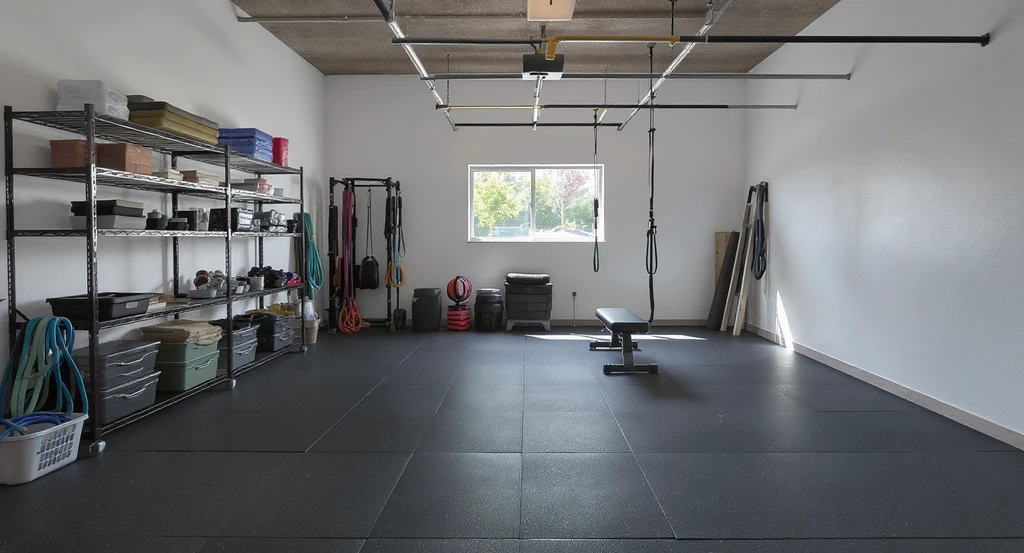
Flexible garage gym designs with movable shelves and open corners let you visualize potential in a blank garage and adapt your layout over time. Discover how to use empty garage corners for smarter, more efficient gym setups with these 10 Smart Garage Gym Layout Ideas.
What feels right today may not suit you next year. Maybe you add cardio, lose interest in barbells, or need more space for stretching. Layouts made by real experts account for future needs using movable shelves, open areas, and multipurpose storage. This adaptability saves time and money and avoids the frustration of major do-overs.
-
7. The Feeling of Space Is as Important as the Actual Space
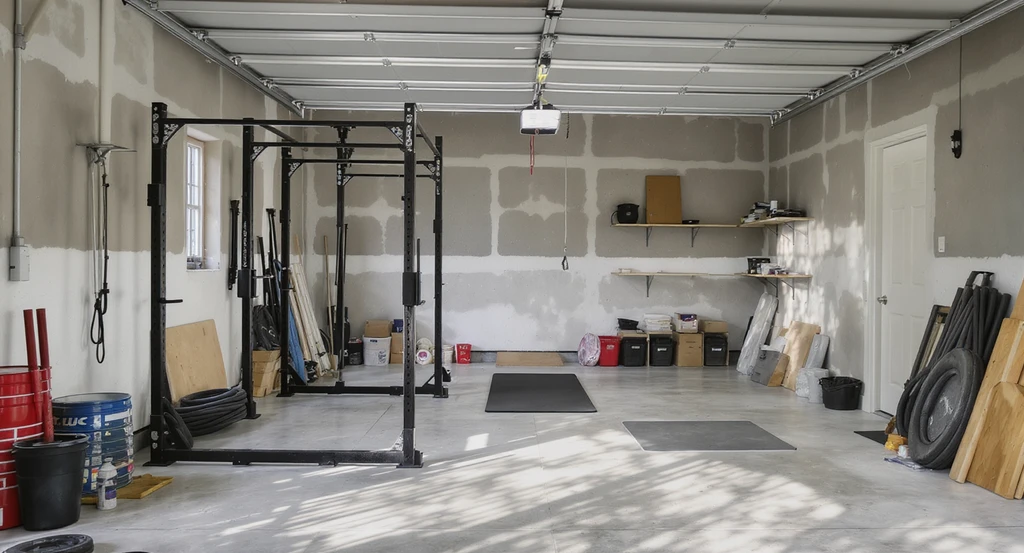
A thoughtfully arranged garage gym exemplifies 10 Smart Garage Gym Layout Ideas, how to use empty garage corners, and design tips for flexible garage gym spaces. Strategic use of open shelves and uncluttered areas enhances both visual comfort and workout flexibility.
A garage can look spacious on paper but feel tight in person if walls are overfilled. Human designers understand that cluttered walls, not just crowded floors, affect how comfortable a room feels. Paying attention to visual balance creates a zone you want to use. Subtle choices like keeping some shelves open make all the difference for buyer confidence and enjoyment.
-
8. Fast Transitions in Shared Spaces
If your garage is for more than just working out—say, parking cars or storing bikes, you need efficient transitions. A gym that’s ready in under a minute is much more likely to get used. Thoughtful execution, like wheeled storage or clearly defined zones, is a specialty of human-centered layouts. It’s the little details that keep a garage from becoming another project you avoid.
-
9. Let Some Corners Stay Empty
It’s tempting to use all available space, but overfilling reduces flexibility and makes the room feel smaller. Human expertise means recognizing that blank space can improve movement and visual trust. Sometimes, the best way to use an empty garage corner is to leave it untouched, a principle explored for living areas in our post on small space design.
-
10. The Prime Spot Isn’t Always for Equipment
It’s common to line equipment up along the largest wall, but sometimes that area should be left as your movement or stretching zone. Experts look at the garage as a whole and consider how people actually move through the room. As in floor plan strategy, as discussed here, the best layouts put usability first—not just storage.
Visualization Scenario
Imagine stepping into your garage gym: No clutter to clear, space to stretch, and every piece of gear is within easy reach. It’s easy to start a workout, whether you’re energized or tired, because a real designer thought about your lowest-motivation days not just the best-case scenario.
Garage Gym FAQ: Honest, Human Answers
- Q: How do I know if my garage is big enough for a gym?
A: Focus on how easily you can move and start a workout, not just equipment fit. Leave open areas for future needs. - Q: What’s the best way to arrange garage gym open areas?
A: Prioritize flexibility—leave some corners empty and keep traffic paths clear for comfort and movement. - Q: How can I keep my garage gym usable as my needs change?
A: Use movable storage and open zones. Plan for routines and storage to evolve. - Q: Why do human designers matter instead of generic AI templates?
A: Human experts understand space, usability, and emotions. They notice details that automation misses, improving long-term satisfaction. - Q: What if I need help visualizing potential in a blank garage?
A: Professional rendering and staging services help you see real-world options and layout possibilities before committing.
Key Takeaways for a Lasting, Flexible Garage Gym
A smart garage gym isn’t about fitting in more equipment. It’s about creating a layout that stays practical as your routines, storage needs, and priorities change. Human judgment helps avoid common frustrations that measurements alone can't predict.
Before committing, it helps to visualize different layout options. Seeing how equipment, storage, and open space work together can uncover challenges and opportunities that are easy to miss during planning. The best garage gyms are designed around how you actually use the space, not just how much equipment fits inside.


