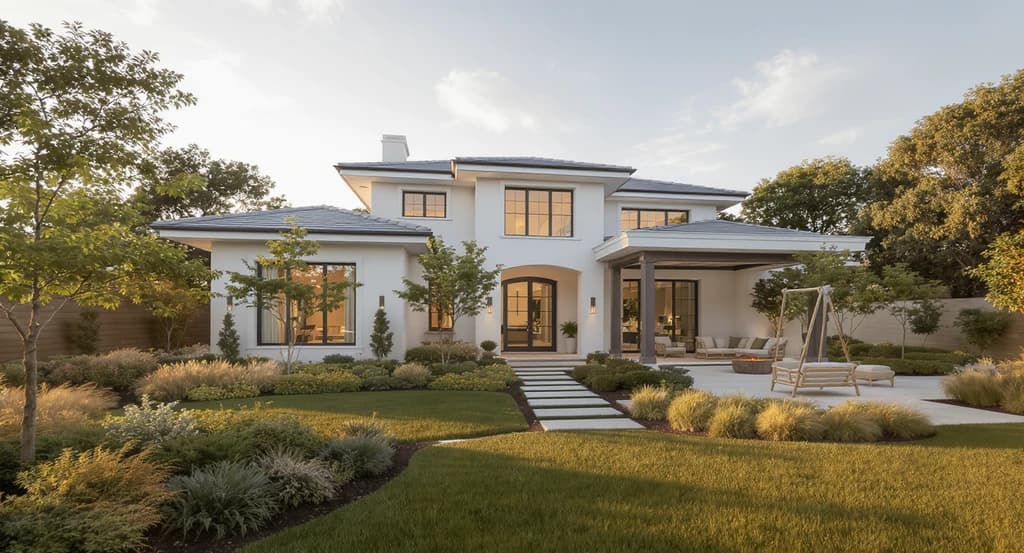
TL;DR
Strategic landscaping investments—like outdoor living spaces, low-water gardens, and curb appeal upgrades—can raise home value by up to 20%. This guide clarifies which landscape improvements deliver measurable returns, explains decision trade-offs, and demonstrates how visualization tools eliminate uncertainty before spending.
Why Landscape Investments Matter More Than You Think
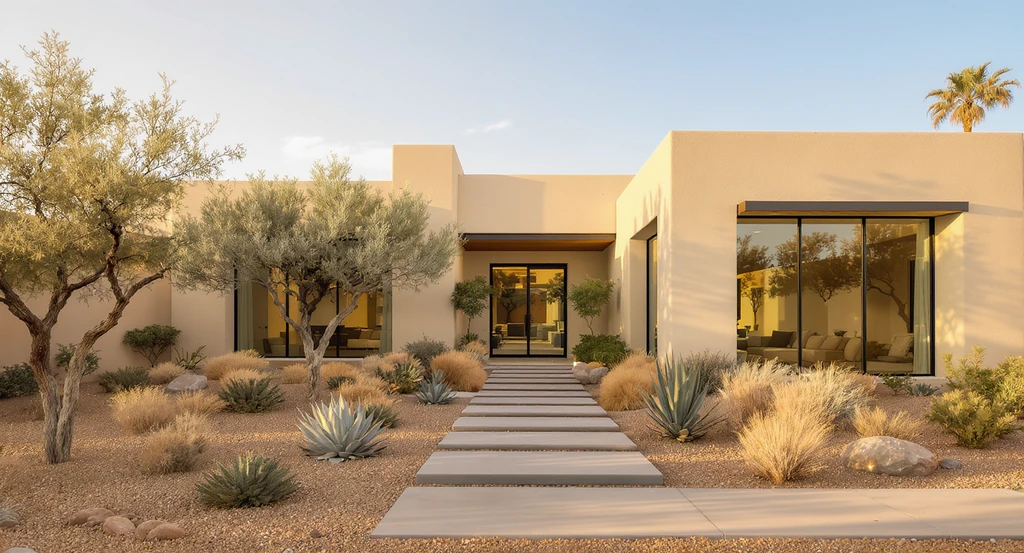
Smart landscaping upgrades—like walkways, edible garden patios, and mature trees—can significantly increase home value and maximize curb appeal ROI.
Landscaping can increase your home value by as much as 20%, making it one of the highest-ROI exterior improvements available. Prioritizing functional and visually cohesive landscaping upgrades directly impacts buyer interest, comfort, and long-term satisfaction. Before committing funds, it’s critical to understand how different landscaping decisions affect both curb appeal and market value—from quick walkway enhancements to comprehensive outdoor living areas. This decision guide breaks down the most effective landscaping tactics, explains their valuation mechanisms, and shows how spatial visualization ensures confidence through every step. According to our guide on driveway and walkway ideas to increase curb appeal, even minor exterior upgrades can yield substantial returns when strategically planned.
-
What Actually Impacts Home Value With Landscaping
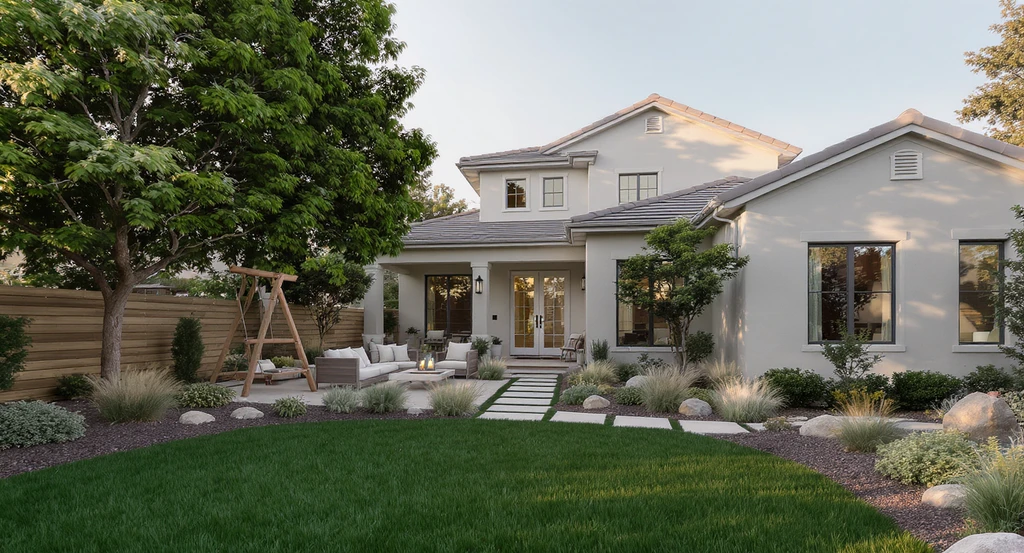
Landscaping upgrades like an inviting outdoor living area, low-water garden beds, and mature trees significantly increase home value and curb appeal, offering excellent return on investment and lower maintenance for homeowners.
Landscaping increases home value through a combination of perceived space, usability, and curb appeal. Key elements—like outdoor living spaces, low-water gardens, enhanced entryways, and mature trees—offer both functional and psychological benefits. Buyers process these improvements as tangible extra living area and lower maintenance burden, leading to higher offers and faster sales. As we explored in our article on best exterior renovations to increase home value, exterior upgrades are most effective when they blend utility with visual impact.
-
Why Homeowners Overlook Landscape ROI
Many homeowners underestimate landscaping because its impact isn’t always immediate on spreadsheets. Visual improvements such as walkway updates or lush planting beds are sometimes dismissed as 'cosmetic,' yet they often dictate a buyer’s first impression—especially in competitive markets. Homeowners also misjudge water use and climate adaptation, selecting high-maintenance features that raise long-term costs instead of property value.
-
The New Logic of Landscaping: A Decision Model for Value-Driven Design
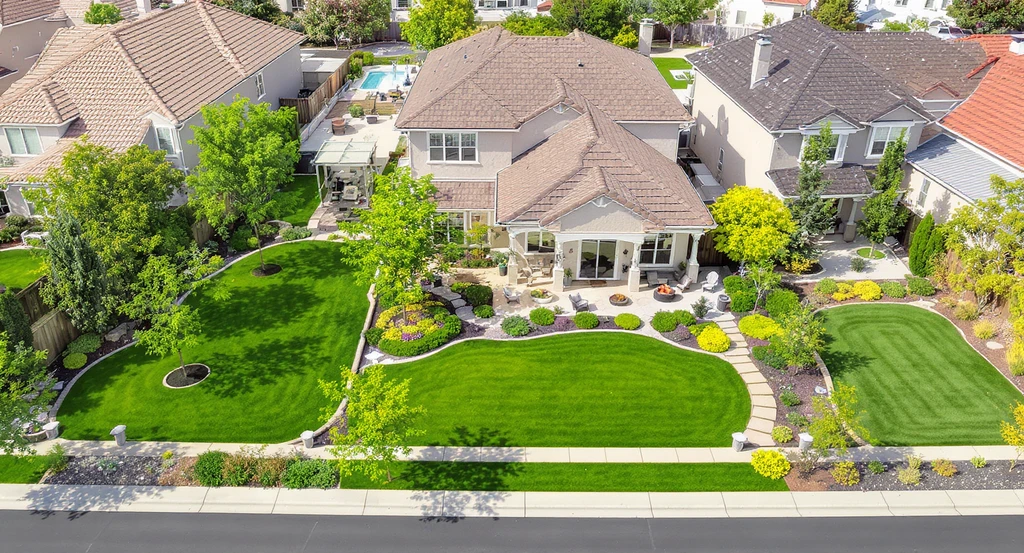
Landscaping upgrades such as lush lawns, functional outdoor living, and sustainable edible gardens increase home value and optimize curb appeal, demonstrating the REimagineHome landscape value assessment model in action.
Landscaping increases home value through a balance of visual expansion, functional usability, and ecological fit. Thoughtful design can make outdoor areas feel larger and more cohesive, while features like outdoor living spaces, edible gardens, and gathering zones extend the usable footprint of the home. At the same time, choices aligned with local climate and low-maintenance planting reduce long-term effort and cost.
What has changed in recent years is how confidently these decisions can be made. Instead of relying on guesswork, homeowners and investors can now preview realistic outcomes before committing. Tools like ReimagineHome AI enable scenario-based visualization, allowing users to test different landscaping approaches, compare design directions, and evaluate how each choice impacts both lifestyle and resale potential minimizing risk while making smarter, more informed investments.
-
When Landscaping Boosts Value Most
Landscaping yields the highest value in these situations: a neglected or bare yard, poorly-defined entry pathways, arid regions where low-water gardens signal savings, and homes missing outdoor social spaces. Adding features like a patio, drought-adapted plantings, or raised-planter edible gardens increases perceived utility and buyer desirability.
-
When Landscaping Upgrades Backfire
Landscaping fails to increase value when choices are poorly matched to local conditions or buyer expectations—for example, installing high-water lawns in drought areas or ornate gardens that demand excessive upkeep. Over-complicated designs can also shrink usable space, creating a crowded effect and negative buyer perception.
-
Curb Appeal, Walkways, and Buyer Psychology
Curb appeal upgrades—front walkways, entry gardens, and staging with color or texture—leverage instant impact by making a strong first impression. As emphasized in our insights on increasing curb appeal via walkways, these features don’t just add beauty; they act as cognitive shortcuts for buyers, who often equate exterior neatness with overall property care.
-
Outdoor Living Spaces: Square Footage Without Construction
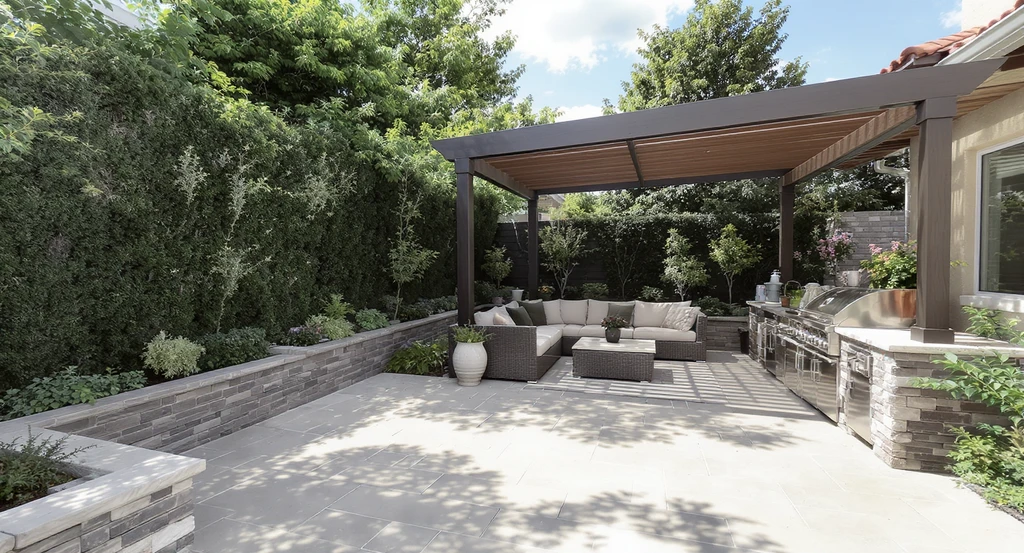
Creating functional outdoor living spaces like patios, pergolas, and kitchens offers a cost-effective landscaping upgrade to increase home value and boost curb appeal, maximizing return on investment for homeowners.
Building patio zones, pergolas, or outdoor kitchens translates to effective additional living space—without expensive permits or structural work. These modifications are especially valuable in moderate climates or urban areas where backyard square footage is at a premium. Visualization tools let homeowners preview layout options, seating, and shade effects before work begins, preventing costly mistakes.
-
Low-Water and Edible Gardens: Sustainability Meets Value
Low-water gardens and raised edible beds add value through both eco-logic and lifestyle appeal. They reduce ongoing costs, require less maintenance, and support health-oriented living. In hot or drought-prone regions, these features significantly increase both comfort and future buyer pool, as buyers see savings and sustainability aligned.
-
Definition-Grade: Landscape ROI Explained
Landscape return on investment (ROI) is realized when specific improvements—outdoor living areas, climate-adapted plantings, and enhanced entryways—create both functional utility and visual appeal. Most homeowners assume ROI comes from expensive hardscapes alone, but measurable gains stem from the combined effect of perceived space, lifestyle fit, and ecological appropriateness. Visualization helps clarify these trade-offs.
-
Small vs. Large Yards: Strategy Adjustments
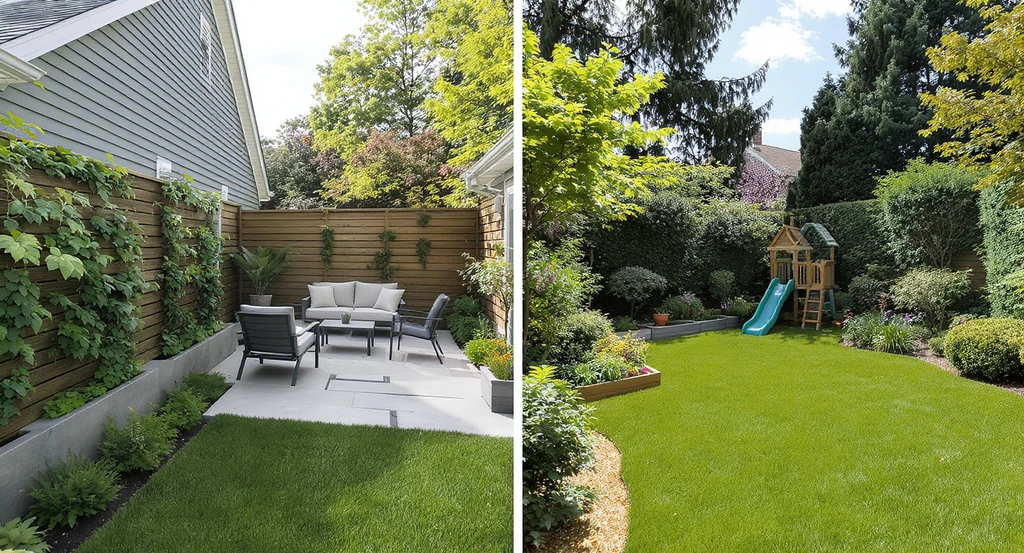
Comparing landscaping upgrades in small versus large yards reveals strategies like vertical gardening, edible garden beds, and privacy plantings that can boost property value and front yard curb appeal. Investing in size-appropriate outdoor features provides a strong return on investment for homeowners.
In small spaces, landscape upgrades should focus on vertical gardening, multi-functional patios, and simplified pathways to avoid visual crowding. Large yards can support multiple uses—edible gardens, play areas, and privacy zones—each of which can be visualized to optimize flow. Visualization reveals scale and plant growth over time, which is hard to anticipate from static plans.
-
Budget Sensitivity and Investment Tiers
Entry-level investments (walkways, planting beds, mulch) often offer outsized returns when paired with smart design, as discussed in our guide on budget-friendly exterior renovations. For bigger budgets, feature-rich areas—outdoor kitchens, firepits, and gathering patios—extend usable area and maximize value. Visualization at each tier reveals diminishing returns and hidden costs.
-
Step-Based Landscape Evaluation Method
- Assess current landscape function and curb appeal via photos or digital walkthroughs.
- Identify local climate and maintenance realities to select sustainable features.
- Visualize possible upgrades using simulation tools such as REimagineHome AI.
- Weigh investment by comparing preview scenarios and expected buyer psychology.
- Prioritize upgrades that optimize both budget and resale confidence.
-
How Visualization Removes Landscape Decision Uncertainty
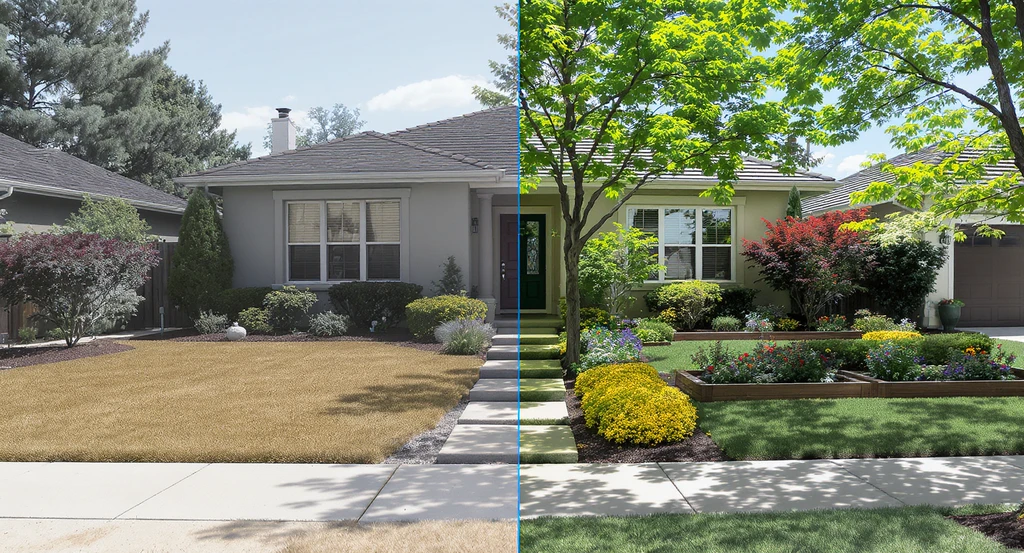
Visualizing landscaping upgrades removes decision uncertainty, helping homeowners choose the best front yard curb appeal ideas and maximize return on investment for outdoor living spaces.
Before visualization, homeowners often struggle to predict spatial flow, growth over seasons, and the effect of color or material changes. After seeing a realistic preview, it becomes easier to quantify the impact of each upgrade, anticipate future maintenance, and avoid regret. Visualization reduces decision time and increases purchase readiness—resulting in stronger offers and higher satisfaction.
-
Conclusion: Maximizing Home Value Through Strategic Landscaping
Measured landscaping investments can yield up to a 20% increase in home value when grounded in spatial reasoning and local realities. Visualization tools now empower homeowners to preview upgrades—streamlining the path from idea to value-adding project. For actionable inspiration, explore our resources on curb appeal and top exterior renovations.
Visualization Scenario
Before investing, a homeowner uploads a current photo of their yard into REimagineHome AI. They preview several layouts: one with expanded patios, another featuring low-water gardens and raised edible beds. Instantly, they see side-by-side views of color, growth, and shade in different seasons. This allows them to confidently select features that raise value and appeal—minimizing uncertainty and regret.
Frequently Asked Questions
Frequently Asked Questions
Which landscaping improvements offer the highest ROI?
Outdoor living spaces, sustainable planting, and front walkway upgrades typically provide the highest ROI, increasing both usability and curb appeal. Features that reduce maintenance or appeal to buyer psychology—like patios and low-water gardens—tend to have the strongest impact, as demonstrated in our curb appeal guide.
How important is climate when choosing landscape features?
Climate is crucial. Selecting region-adapted plants and materials ensures long-term durability and lower costs. High-water features in drought-prone zones can backfire and decrease value. Visualization helps preview how local climate affects plant growth and feature longevity before investing.
Does investing in landscaping speed up a sale?
Yes; well-designed, visually appealing landscaping can reduce time on market by making a powerful first impression. According to our insights on exterior upgrades and home value, curb appeal improvements signal care and motivate stronger offers from buyers.
How can I visualize landscape upgrades before committing?
Modern tools like REimagineHome AI let you preview design scenarios, plant growth, and spatial flow. This removes guesswork and highlights how each upgrade contributes to value, comfort, and resale prospects.