TL;DR
A luxury living room blends rich textures, strategic lighting, and functional furniture to maximize both elegance and practicality. Prioritizing premium materials, well-balanced feature elements, and thoughtful built-in carpentry ensures durability, comfort, and future resale appeal. This listicle breaks down leading choices and pitfalls using spatial reasoning to help you invest wisely for a sophisticated living room.
Designing a Luxury Living Room: Clarity First
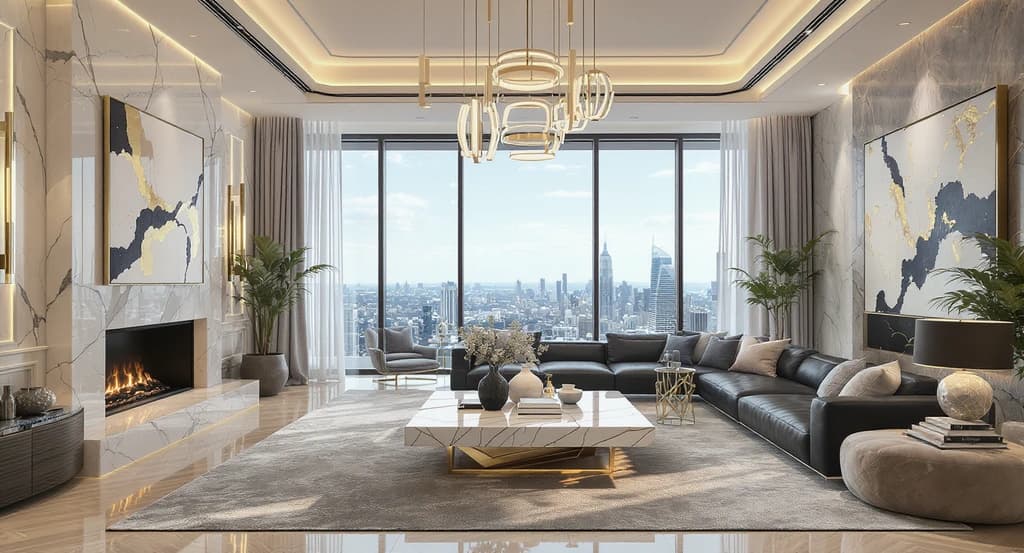
Intentional luxury living room decor features layered textures, advanced lighting, and high-value furniture, balancing comfort with timeless appeal.
Luxury living room decor is less about flashy expense and more about intentional, high-value decisions. Successful spaces combine layered textures, advanced lighting, and functional furniture, resulting in comfort, visual balance, and lasting appeal. For both homeowners and designers, the real challenge lies in evaluating which decor choices are worth the investment especially when long-term livability and potential resale value are at stake. This article explains premium living room design ideas that deliver practical and aesthetic results, so you can create a space that feels both refined and inviting.
-
The REimagineHome AI Evaluation System
This decision structure uses six core criteria:
- Longevity of materials.
- Impact on spatial scale.
- Lighting quality.
- Visual layering.
- Functional flexibility.
- Resale sensitivity.
Expert Insight
A client once invested in several statement decor pieces for their new condo, only to realize the space felt crowded and visually heavy. After testing various layouts with a visualization tool, they removed two oversize pieces and saw how subtle wall paneling instead brought both luxury and balance.
-
1. Layered Textures for Depth and Comfort
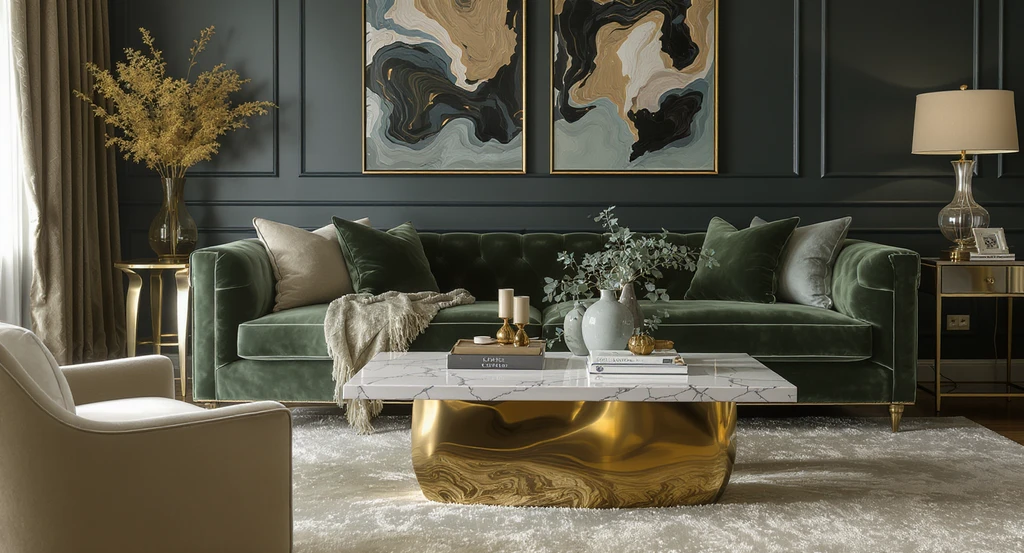
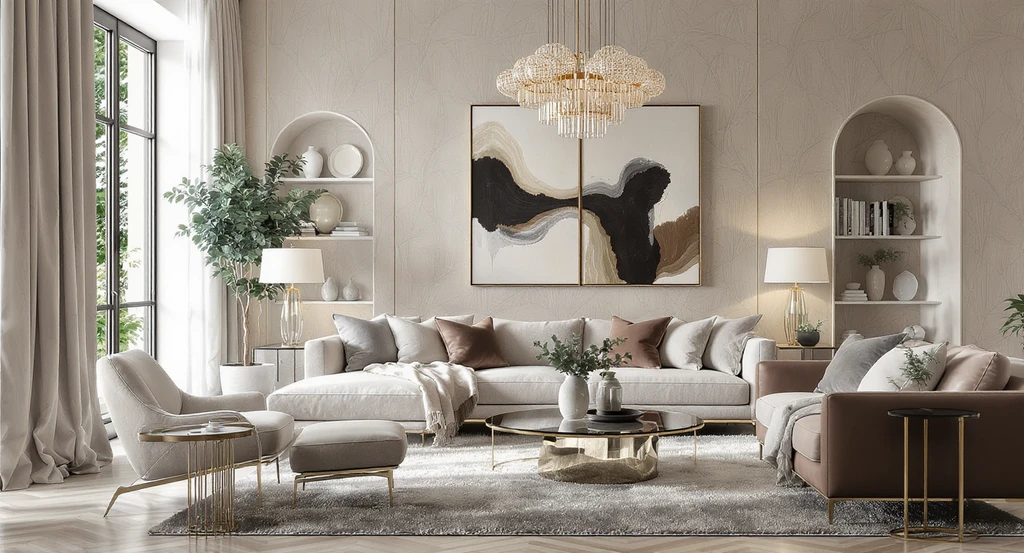
Layered textures like velvet, marble, ribbed wood, and plush wool elevate living room decor, adding comfort, depth, and sophisticated visual movement.
Mixing tactile materials like velvet cushions, smooth marble, ribbed wooden panels, and plush wool rugs instantly evokes sophistication. This blend works because it creates visual movement and tactile variety, boosting comfort and richness. Over-layering, however, can feel chaotic in small rooms. Pay attention to ceiling height: low ceilings benefit from vertical ribbing, while horizontal paneling can compress space.
-
2. Statement Lighting to Define Ambiance and Function
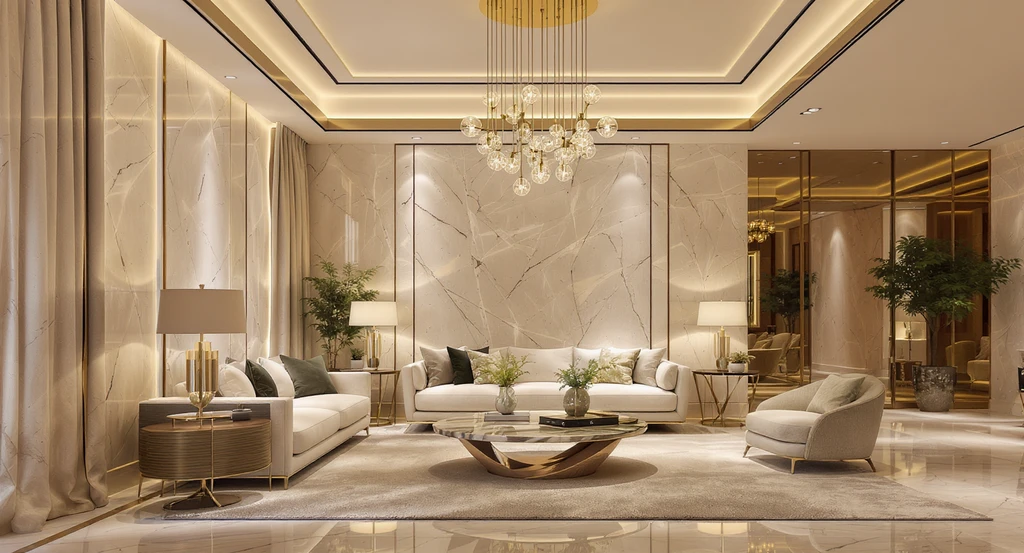
Statement lighting in this luxury living room combines ambient, accent, and task illumination to enhance ambiance and visually expand the space.
Combining ambient, task, and accent lighting enables you to modulate mood and highlight features. Warm, layered light visually expands rooms and accentuates textures. Poorly planned lighting especially over-bright LED strips or harsh white bulbs can flatten ambiance and show flaws. Use ceiling height and light reflectivity (from walls, floors, or table surfaces) as guides for proper placement.
-
3. Feature Walls for Visual Anchoring
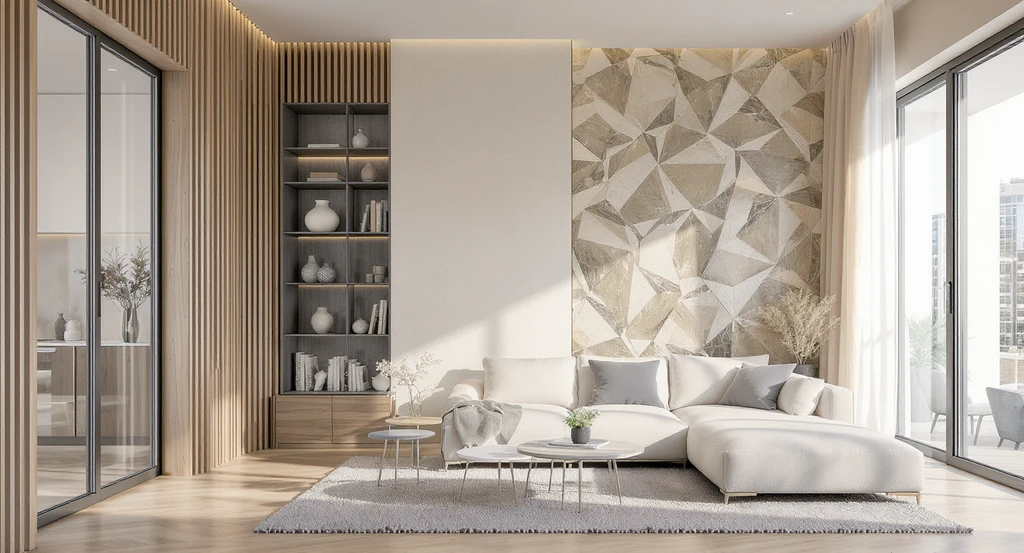
A luxury living room uses a subtle 3D-textured feature wall with integrated shelving and wood accents for elegant visual anchoring and depth.
Distinct wall treatments slatted wood, textured paint, stone, or soft-patterned wallpaper give the room a visual core. This anchors your layout and draws natural light strategically. Overly bold walls may dominate and reduce resale appeal, while subtle 3D textures help maximize depth without overwhelming. In compact apartments, opt for multi-purpose feature walls that integrate shelving or media units.
-
4. Functional Yet Stylish Furniture Choices
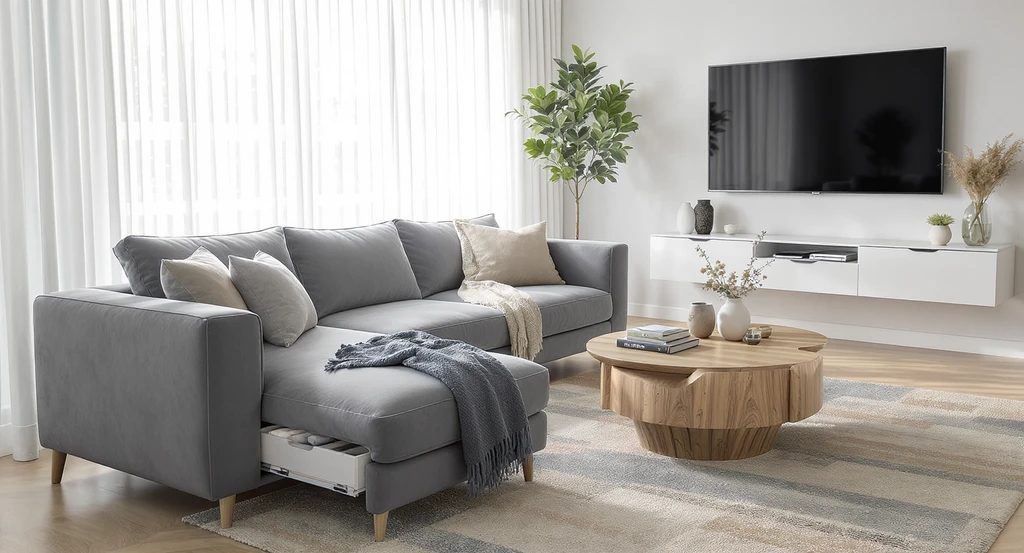
Functional luxury furniture, such as modular sofas with hidden storage, coffee tables with compartments, and floating TV consoles, maintains open sightlines and reduces clutter for a spacious, sophisticated living room.
Modern luxury furniture must combine concealed storage and flexible usage. Examples include modular sofas with hidden space, coffee tables with compartments, and floating TV consoles. This maintains open sightlines and reduces clutter, which boosts perceived spaciousness. Oversized pieces in tight spaces can block visual flow and compress circulation, so always map furniture against key walking paths.
-
5. Built-In Carpentry for a Streamlined Look
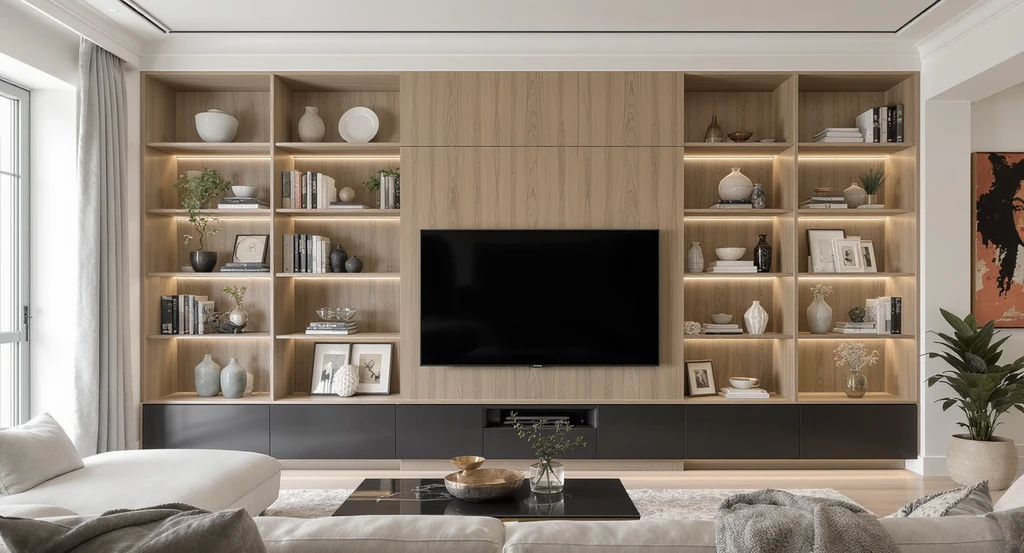
Custom built-in carpentry using high-quality plywood maximizes living room space, ensuring a contemporary, streamlined, and durable luxury decor.
Custom built-ins—wall-to-wall shelving, under-TV units, or slim dividers leverage every inch for both form and function. High-quality plywood (like moisture-resistant or ISI-certified boards) ensures smoothness and strength, while also holding up to humidity and frequent cleaning. Removable or low-grade carpentry often looks dated faster and harms resale value, especially in premium markets.
-
6. Choosing Premium, Durable Materials
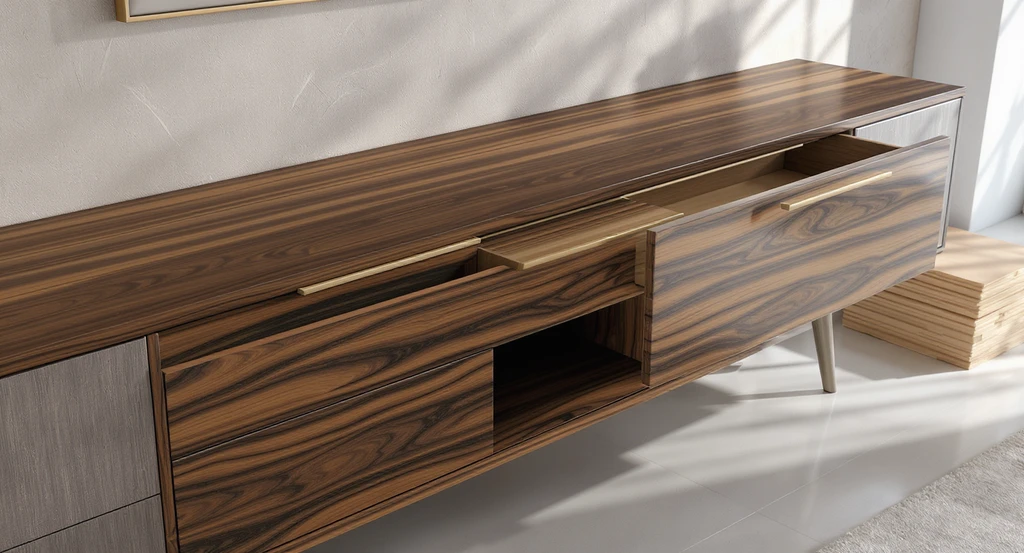
Durable woods, stone veneer, brushed metal hardware, and advanced moisture-resistant materials elevate premium living room decor while ensuring lasting quality.
Opt for durable woods, stone veneers, brushed metal hardware, and textured laminates. These materials resist daily wear and visually signal quality. In humid or high-traffic homes, moisture-resistant plywood or acrylic finishes prevent warping and fading. Cutting corners on core materials may reduce upfront cost, but mechanically weak choices often reveal flaws like sagging shelves or chipped edges in daily use.
-
Cost and Value Mechanism: Where to Splurge and Where to Save
Material and finish decisions directly affect longevity and feel. For instance, high-quality plywood like Green Club 700 (INR 110–150/sq.ft.) is smart for built-ins, whereas accent lighting or decorative rugs offer premium look at lower cost. Always match your investment to both use frequency and long-term maintenance, emphasizing visible, high-wear zones for splurges.
-
Common Mistakes and How To Avoid Them
Overdecorating shrinks a room’s perceived scale, while poor materials undercut even expert design. Neglecting lighting layers causes shadows and flattens textures. Recognize how natural light, ceiling height, and main walkways should dictate both the amount and style of your design upgrades. Avoid built-ins or lighting placements that block windows or compress vertical space.
-
Definition: Layered Texture in Living Room Design
Layered texture emerges when contrasting materials such as soft textiles, polished surfaces, and structured panels are combined to evoke depth and tactile richness. It influences both the emotional warmth and the visual scale of a room. While many believe luxury equals excess, it is actually the artful layering of select, high-quality textures that delivers a truly premium effect.
-
How Visualization Changes the Decision
Before visualization, uncertainty about scale, material mix, and lighting effects causes hesitation and regret risk. Using platforms like REimagineHome AI, you can preview finishes, wall feature treatments, and lighting placement in your actual space. This reduces guesswork, trims decision cycles, and increases both purchase confidence and long-term satisfaction. Visual clarity leads to faster, more reliable results than relying on inspiration alone.
Visualization Scenario
Imagine toggling between multiple wall finishes and lighting schemes in your own living room—instantly seeing how a ribbed wood panel transforms a dull wall or how warm accent lighting reshapes nighttime ambiance. This live preview, available with REimagineHome AI, pushes designs from uncertain to investment-ready in minutes.
Living Room Luxury Decor FAQ – Decision Answers
Focus on layered textures, a unified color scheme, and swapping harsh light for warm-tone fixtures. Prioritize standout textiles and statement wall features over excessive accessories.
2. Which colors work best for creating a premium living room?
Warm neutrals such as taupe, greige, and charcoal support a sense of calm. Accents in emerald, navy, or gold create targeted impact without overpowering.
3. What materials give the most upscale effect?
Natural stone, premium plywood, brushed metals, velvet, and ribbed wood panels offer high visual value and lasting durability.
4. Is plywood a smart choice for built-ins?
Yes—especially for humid climates or frequent use. Moisture-resistant, smooth-surfaced plywood avoids warping and provides professional-grade finishes.
5. Does visualization really change the home design decision?
Absolutely—seeing a realistic preview removes uncertainty, helps align choices with preferences, and prevents costly missteps before committing to materials or layouts.
Key Takeaways: Building a Premium Living Room
A luxury living room depends on discerning material choices, thoughtful lighting, considered feature walls, and custom carpentry. Prioritizing visual layering and spatial mechanics leads to elegant results that last—both visually and structurally. Previewing your design with digital tools minimizes regret and accelerates confident, investment-worthy decisions.