TL;DR
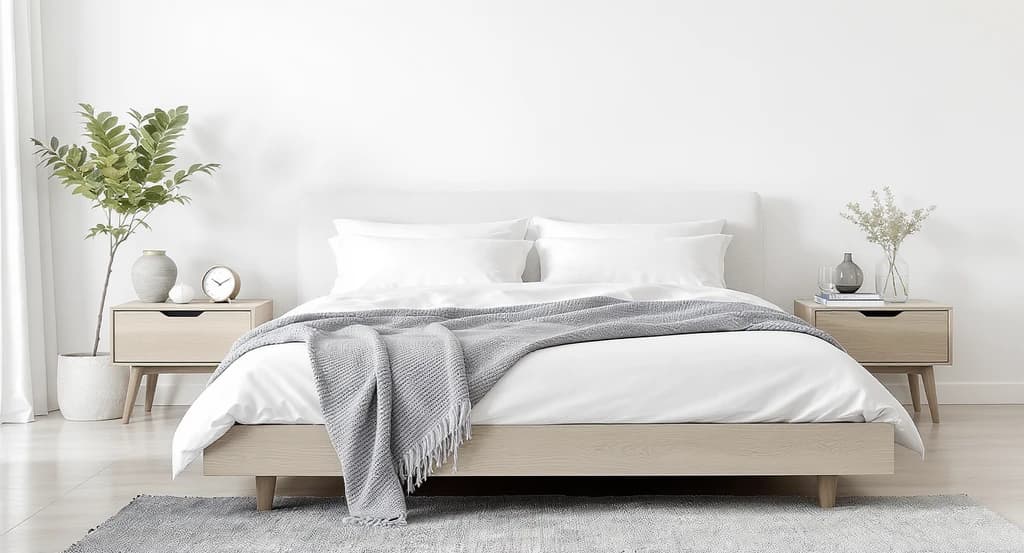
Minimalist bedroom design removes excess clutter, prioritizes 24–30 inches of clear walking space, uses layered warm lighting, and focuses on a single focal point. This systematic approach enhances comfort, increases perceived room size, and directly boosts real estate listing performance by making bedrooms more appealing and visually clear.
Why Most Bedrooms Fail to Deliver Calm and Value
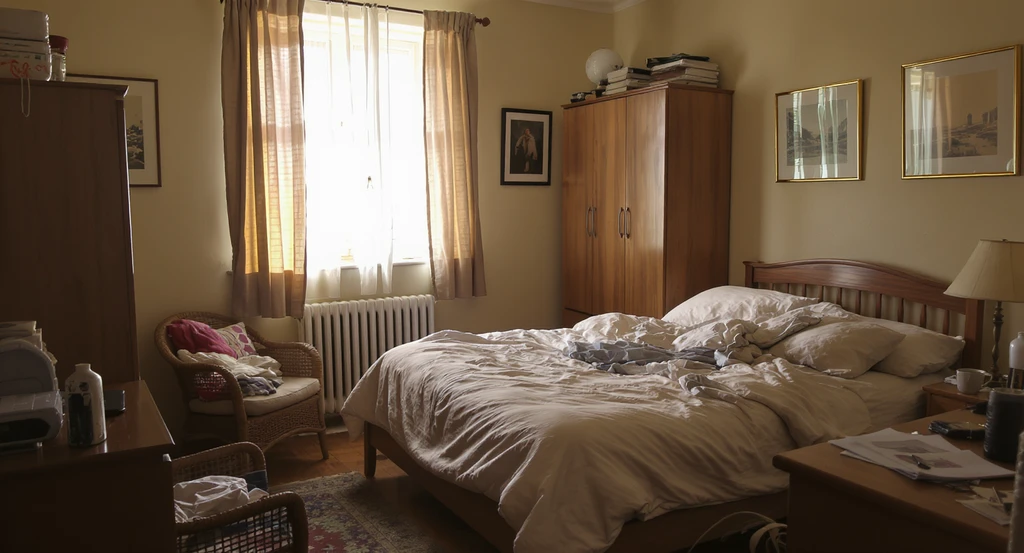
Common minimalist bedroom mistakes, like visual noise, poor layout, and mismatched lighting, can undermine home staging and hinder a step by step minimalist bedroom makeover.
Most people struggle to design bedrooms that look calm, feel spacious, and support restful living. This struggle isn’t due to the room’s size, it’s visual noise, poor layout, flat lighting, and unclear focal points that create day-to-day frustration and underperforming listing photos. The complexity comes from scattered objects, oversized furniture, and poorly considered arrangements that increase stress and decision friction. When buyers, renters, or owners view a bedroom, visual processing happens instantly. If the space feels cluttered or difficult to navigate, it’s immediately perceived as smaller, less comfortable, and lower-value. According to our Styldod's Smart Media Module, visual clarity is directly tied to higher engagement and faster offers. Minimalist design, when done right, resolves these issues at the source by reducing cognitive load and improving spatial logic.
-
What Makes Minimalist Bedroom Design Effective?
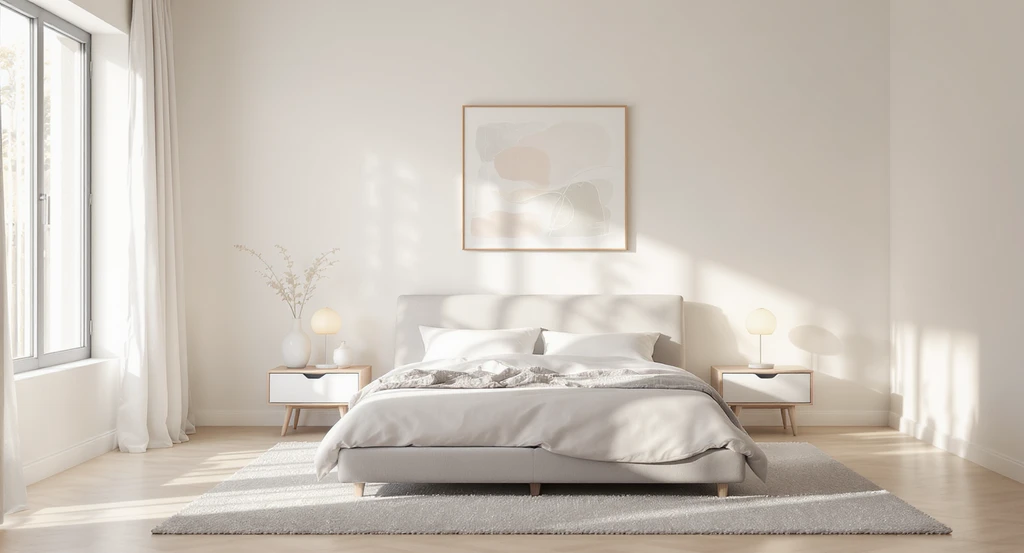
Minimalist bedroom design for home staging highlights how proportional furnishing, balanced layouts, and layered lighting create a calming, clutter-free space.
Minimalist bedroom design is not about removing everything, it's about thoughtful reduction. Every piece must serve a purpose for function or comfort. Non-essential items are removed to cut distraction. Essential furniture is kept proportional, giving the room a sense of openness and balance. When you assign a single focal point (like a headboard or statement artwork), the eye knows where to rest. This improves psychological comfort and creates a high-performance photo. Clarity and function are engineered by:
- Removing clutter so only meaningful, functional objects remain visible
- Prioritizing uncluttered walking paths and balanced layouts
- Layering lighting to make the room feel warm and dimensional
- Anchoring the room visually with one strong feature
Expert Insight
A real estate listing for a small, overlooked bedroom saw minimal interest for weeks. Applying the CLEAR system, removing excess furniture, adding balanced lighting, and creating a single visual anchor, transformed its photos. The listing drew double the inquiries and sold within seven days at full asking price.
-
Why Bedrooms Feel Small: Real Causes of Decision Friction
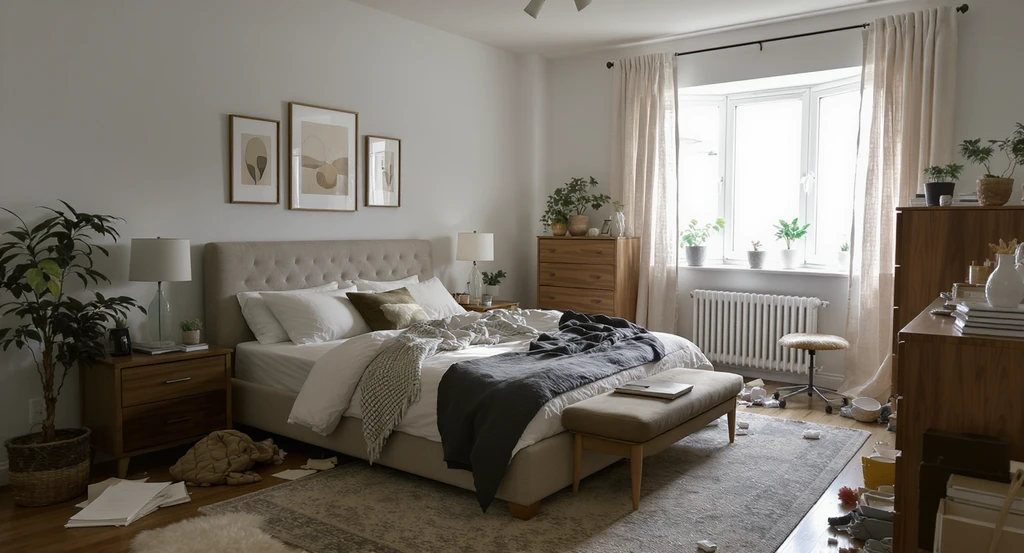
Common minimalist bedroom design mistakes, such as overcrowded furniture, blocked paths, and poor lighting, can make spaces feel small and chaotic. Understanding how to create a calming bedroom environment with the best lighting for minimalist bedrooms is essential for effective home staging and achieving a step by step minimalist bedroom makeover.
Rooms feel cramped or chaotic not because of size, but due to visual congestion, blocked paths, and lack of spatial hierarchy. The most common errors include:
- Excessive furniture or décor fragments sightlines and makes space harder to read
- Poor layout blocks walking paths, increasing physical and mental effort
- Flat, single-source overhead lighting flattens the space, making it appear lifeless
- No focal point, causing the eye to wander and the room to seem unstable
-
Easy Steps to Create a Minimalist Bedroom
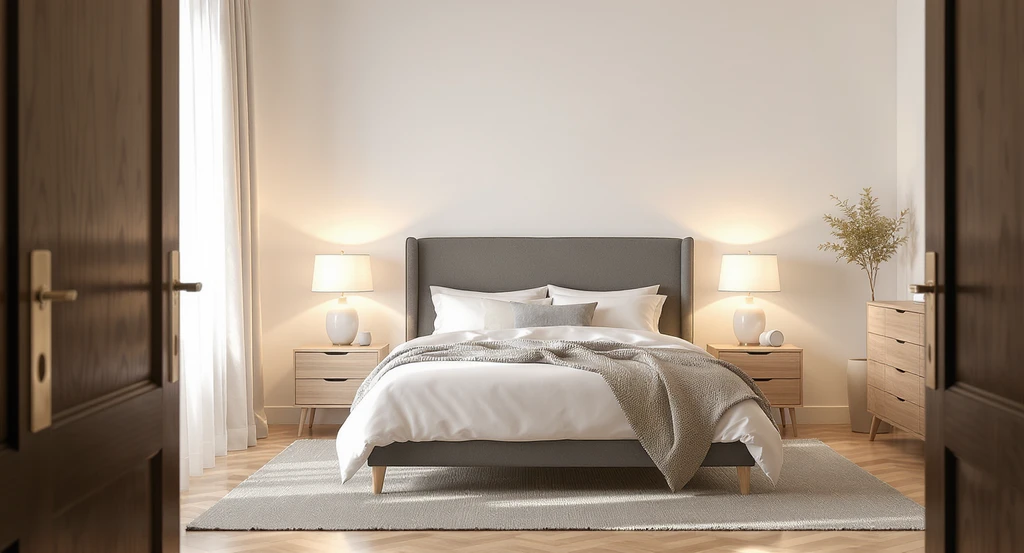
A step by step minimalist bedroom makeover demonstrates best lighting for minimalist bedrooms and how to create a calming bedroom environment by applying the CLEAR Framework. Clean lines and intentional simplicity avoid common minimalist bedroom mistakes.
Instead of just tips, this breaks minimalist design into clear, step-by-step decisions.
- Clarity: Remove 20–30% of visible items. Start with surfaces, nightstands and dressers, then eliminate unused, purely decorative objects. If the photograph still looks busy, subtract more.
- Layout: Prioritize 24–30 inches of clear walking space, especially along primary routes. The bed should be centered on the main wall, leaving open paths on both sides. Remove or reposition to restore flow.
- Essentials Only: Limit furnishings to the bed, one/two side tables, and only necessary storage. Choose pieces proportional to room size. If it does not improve use or comfort, it’s hurting the room’s performance.
- Ambient Lighting: Use at least two warm (2700–3000K) light sources, table or floor lamps, not just overheads. Layered lighting creates depth and softness, and is essential for comfort and superior listing photos.
- Relaxation Anchor: Establish a single, obvious focal point visible from the door, an attractive headboard, scaled artwork, or a stand-out light fixture. Do not add competing focal elements.
-
Simple Bedroom Layout Rules
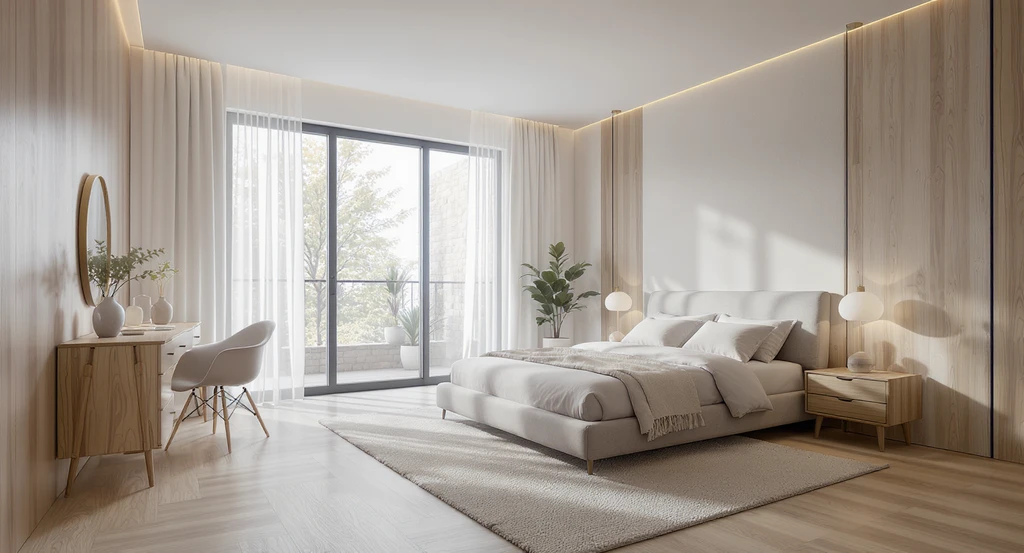
Simple Bedroom Layout Rules Image
Minimalist bedrooms work best when you follow simple layout rules. Key rules include:
- Walking clearance: 24–30 inches minimum throughout all walking paths
- Bed width: 60–70% of primary wall width for balance
- Nightstand clearance: 18–24 inches side spacing for function without crowding
- Open floor area: 20–30% visible, especially near entry and bed
- Lighting: always two or more sources, never just a single harsh overhead
-
Minimalist vs Cluttered Bedroom: Performance Difference
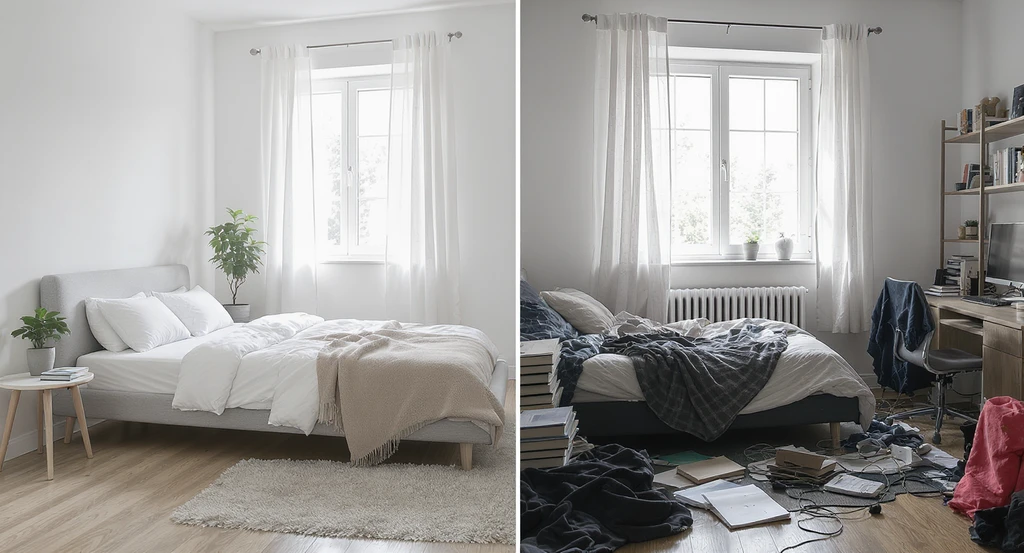
Minimalist vs Cluttered Bedroom: Performance Difference Image
A cluttered bedroom appears smaller, harder to use, and fails to engage buyers, photos look cramped, and people disengage quickly. After applying the CLEAR system, most rooms see a 30% increase in perceived size, longer buyer engagement, and more rapid decisions. Decluttered, well-lit rooms consistently outperform crowded ones on key performance metrics: click-through rates, offer speed, and emotional appeal. As demonstrated in Smart media module - Styldod's Smart Media Module
-
Common Minimalist Bedroom Mistakes
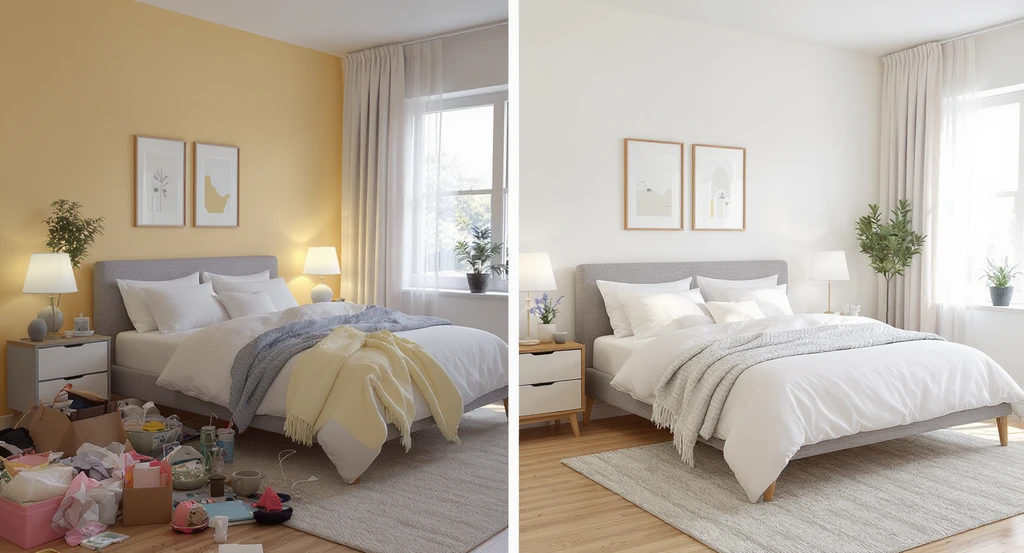
Common Minimalist Bedroom Mistakes Image
Most failures in minimalist bedrooms fall into two extremes:
- Over-minimalism: Stripping all visual interest creates a sterile, cold feeling. Add back texture, natural linens, soft rugs, or wood finishes, to avoid lifelessness.
- Monochrome overload: All-white or grey palettes often feel clinical. Use warm neutrals to preserve visual comfort.
- Under-lighting: Relying solely on overhead lighting flattens the scene. Always use multiple warm light sources for depth.
- Oversized furniture: Drowns available space and blocks movement. Scale everything to real room dimensions.
- Lack of focal point: Leaves the eye restless, anchor the view with a clear, dominant feature.
-
How Visualization Eliminates Guesswork and Listing Risk
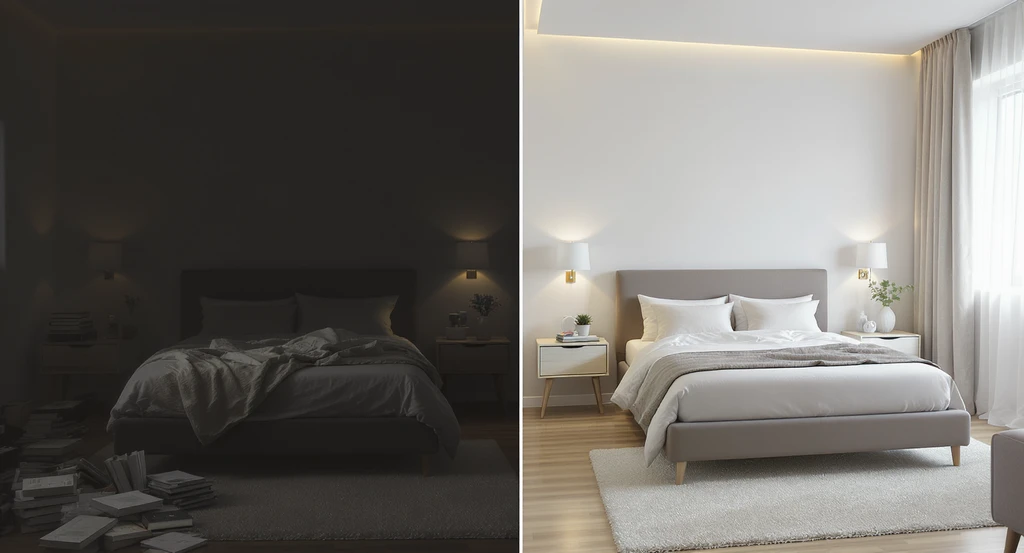
Visualization tools reveal how step by step minimalist bedroom makeovers minimize design mistakes, helping you optimize lighting, declutter spaces, and create a calming bedroom environment for home staging.
Many redesign mistakes happen because users can’t see outcomes ahead of time. Visualization tools, like those available on ReimagineHome | AI Interior Design Ideas & Virtual Staging, allow you to preview different furniture arrangements, lighting setups, and focal points before making real changes. This is especially valuable for small bedrooms or tight budgets, test arrangements, lighting, and decluttering in advance to ensure every move increases clarity and value. Visualization helps reduce decision friction, minimize wasted spend, and improve property positioning for both everyday usability and market success.
-
If You Only Make Three Changes, Prioritize These
If You Only Make Three Changes, Prioritize These Image
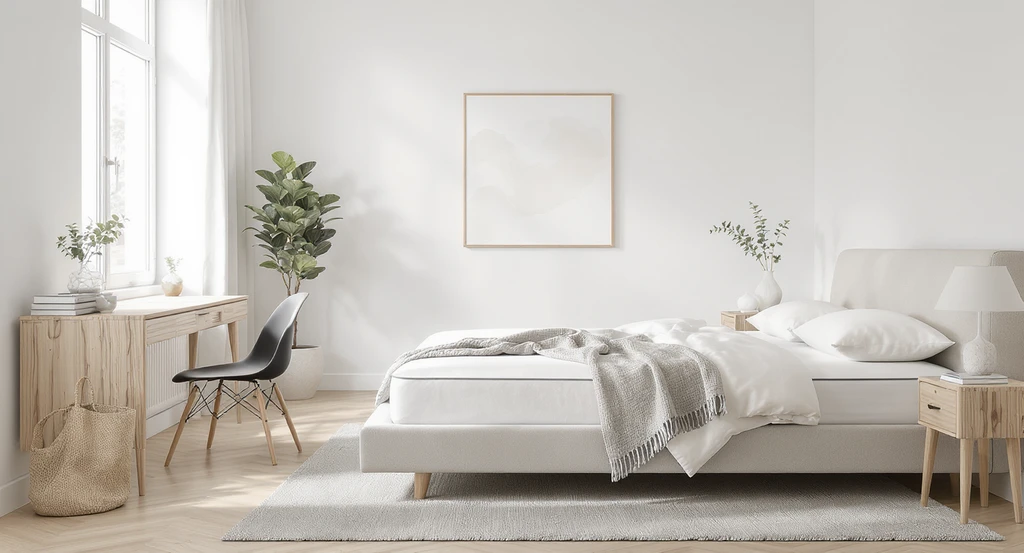
For fast, reliable improvement in any bedroom, focus on these three steps first:
- Remove at least 30% of visible clutter (especially on surfaces and floors)
- Keep only the minimum essential furniture to maximize open space
- Add at least two warm light sources to produce depth and comfort
Visualization Scenario
Imagine photographing a bedroom filled with scattered décor, uneven lighting, and oversized furniture. The resulting images appear cluttered, cramped, and hard to engage. After a CLEAR system update, decluttered surfaces, layered warm light, and a focused headboard, the same room appears spacious, restful, and instantly more appealing both in person and in listing media.
Minimalist Bedroom Design FAQs
- What is minimalist bedroom design?
- Minimalist bedroom design uses only essential furniture, clear spatial layout, and minimal décor to produce calm, comfortable, and visually larger bedrooms that outperform in daily use and real estate listings.
- Does minimalist design make bedrooms look bigger?
- Yes. Minimal layouts reduce clutter, highlight open floors, and use layered lighting, which increases perceived room size and improves buyer impressions immediately.
- How much clutter should be removed?
- Remove at least 20–30% of visible items—especially on surfaces and unnecessary furniture—focusing on what most impacts visual noise and spatial flow.
- Why is layered, warm lighting important?
- Multiple warm light sources (2700–3000K) add visual depth and relaxation, improving comfort in person and camera performance for listings.
- Do I need visualization tools for minimalism?
- While not required, platforms like ReimagineHome AI prevent mistakes by allowing you to test layouts, decluttering, and lighting virtually before making changes.
Key Takeaways for Listing-Ready Minimalist Bedrooms
Minimalist design isn’t a trend, it’s the most reliable way to maximize comfort, clarity, and buyer engagement. The CLEAR system engineers calmness and function step by step, with rules that stand up to real-world constraints and rigorous listing standards. Use visual tools to preview and validate, better visuals mean faster sales, superior usability, and less wasted investment in décor mistakes.