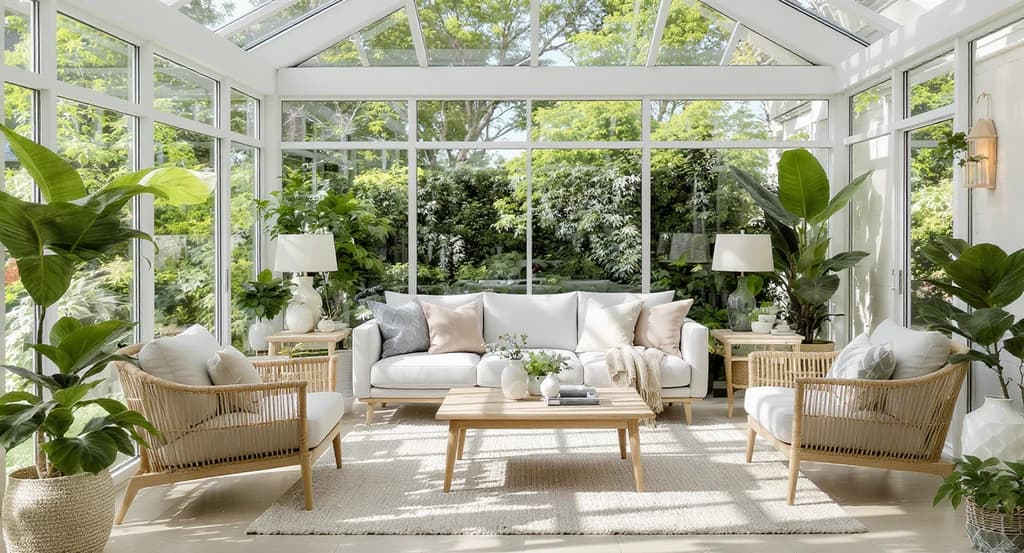
TL;DR
A sunroom is only as good as how it feels to use, not just how it looks. These 11 ideas focus on comfort, flexibility, and practical touches that make a sunroom not only beautiful, but genuinely useful all year. Prioritizing experience over trends and using expert visualization can help you get the most from this unique room.
Why Sunrooms Often Fall Short (And How to Get It Right)
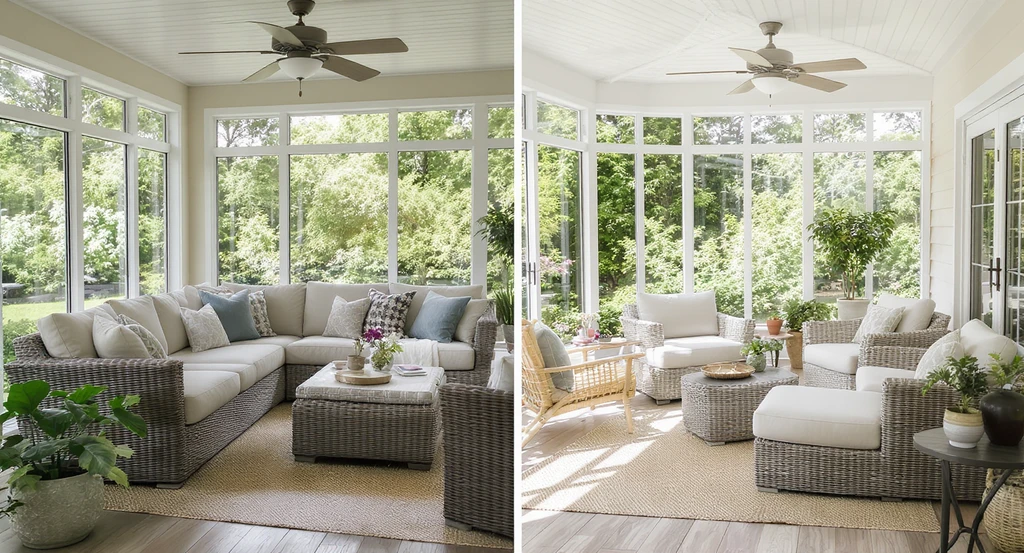
How to visualize sunroom furniture layout for maximum comfort—this sunroom contrasts a cluttered, oversized setup with a beautifully optimized, useful, and inviting design. Discover tips for avoiding common sunroom furniture mistakes and choosing the right scale to create a sunroom you’ll truly enjoy.
If you've ever stepped into a sunroom that looked picture-perfect but felt empty, you’re not alone. Many homeowners design around photos or trends, only to discover the room just isn’t that inviting or usable in real life. The difference comes down to understanding how light, comfort, and daily habits interact far beyond choosing attractive furniture. The secret? Designing for experience first, furniture second. Human-centered design and expert visualization can help you see options, avoid common mistakes, and create a sunroom you actually love to use, morning to night, all year round. When you plan with real-world usability in mind, your sunroom can become the most comfortable and versatile space in your home.
-
1. Build a Morning Coffee Spot Around the First Sunlight
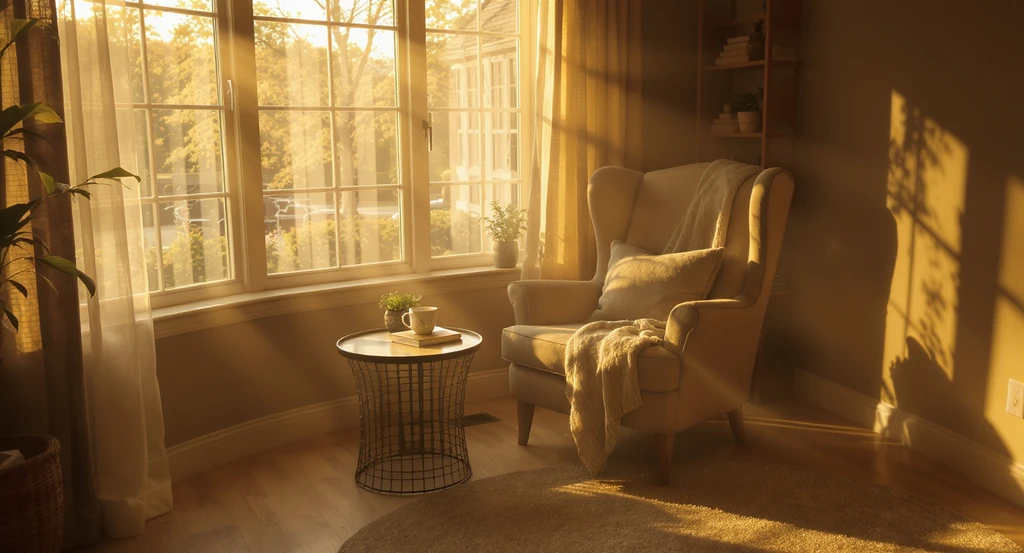
Visualize your sunroom furniture layout with this setup—placing a soft chair, side table, and plant in the path of early sunlight creates a comfortable, beautiful, and useful sunroom zone while avoiding common sunroom furniture mistakes and supporting tips for choosing furniture scale in sunroom.
Before arranging sofas or accent pieces, watch where the early sunlight lands. Placing a soft chair, side table, and even a small plant in this spot creates a welcoming morning routine zone. Why it matters: Spaces linked to daily habits get used more, this kind of intentional setup transforms the sunroom from a showroom into your favorite morning retreat. According to our guide on visualizing your home before renovating, exploring different furniture placements upfront helps you land on the setup you’ll enjoy every day.
Expert Insight
One homeowner created a sunny reading nook after seeing it illustrated in their visualization mockup. Months later, it became their favorite part of the house, used daily, not just admired on weekends.
-
2. Create a Shade Zone for Hot Afternoons
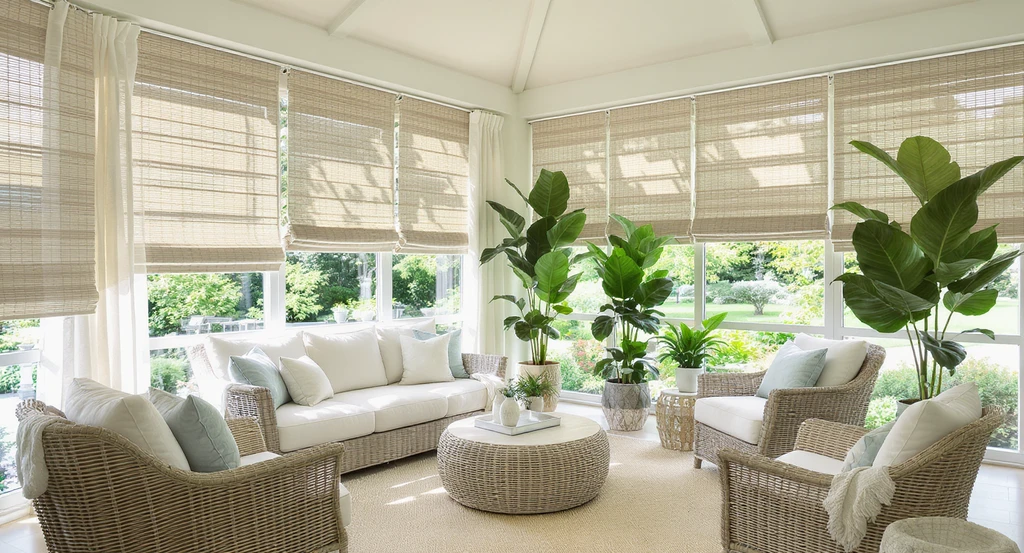
Carve out a cool corner by adding woven shades, light drapes, and leafy plants. See how to visualize sunroom furniture layout to avoid common sunroom furniture mistakes and ensure your sunroom is truly comfortable, useful, and beautiful.
A sunroom that’s only comfortable in the morning misses half the day’s potential. Use light drapes, woven shades, or a few tall leafy plants to carve out a cooler corner for sunny afternoons. Why it matters: This approach keeps the space comfortable and usable even when the sunlight is strong. Avoiding common sunroom furniture mistakes, like skipping shade solutions, means your room stays inviting instead of overheated.
-
3. Layer Plants Instead of Filling Every Corner
To avoid a cluttered feel, choose a mix of floor plants, hanging greenery, and tabletop pots at different heights. This creates depth and a relaxed garden-like vibe while keeping sightlines open for natural light. Why it matters: Well-placed greenery brings the outdoors in, adding interest and serenity without overcrowding. Human designers understand what feels lush versus overwhelming, and can help you visualize sunroom furniture layout and plant balance before you commit.
-
4. Design Around the Best View, Not the Biggest Wall
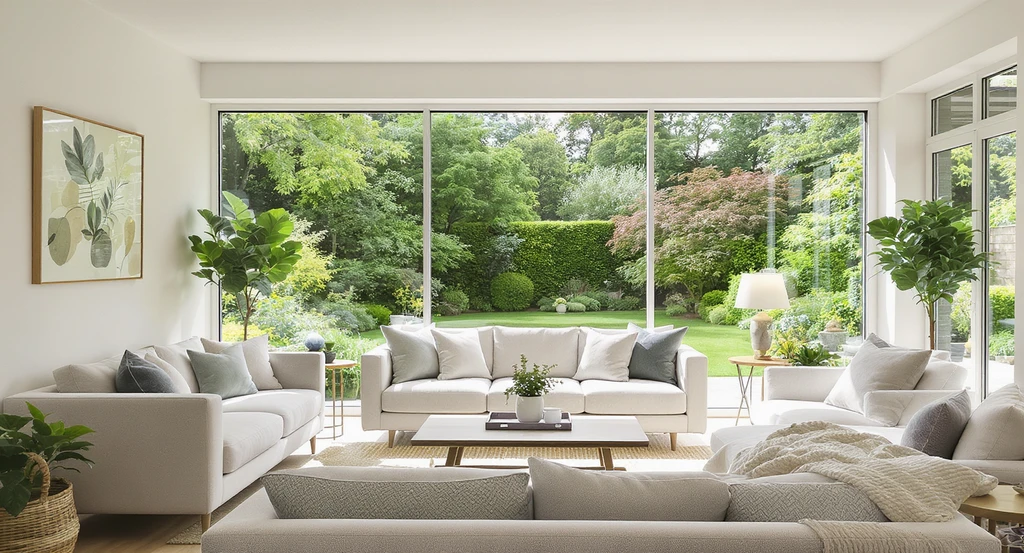
How to visualize sunroom furniture layout: Sunroom Ideas That Make the Space More Comfortable, Useful, and Beautiful by orienting seating toward the garden—a key tip for avoiding common sunroom furniture mistakes and ensuring your sofa fits your sunroom while creating a seamless indoor-outdoor connection.
Instead of defaulting to walls for furniture placement, orient your primary seating towards garden or yard views. Why it matters: The scenery becomes a natural focal point, making the sunroom feel open and connected to the outdoors. Expert visualization tools (as covered in our post about renovation clarity and stress-free planning) can help you try out 'view first' layouts digitally.
-
5. Add a Window Seat With Hidden Storage
A window seat isn’t just extra seating, it’s also prime relaxation real estate and handy for storing blankets, books, or games. Why it matters: Smart, dual-purpose solutions make the best use of your footprint and keep the room clutter-free, allowing both beauty and function to shine.
-
6. Frame the Outdoors Like Artwork
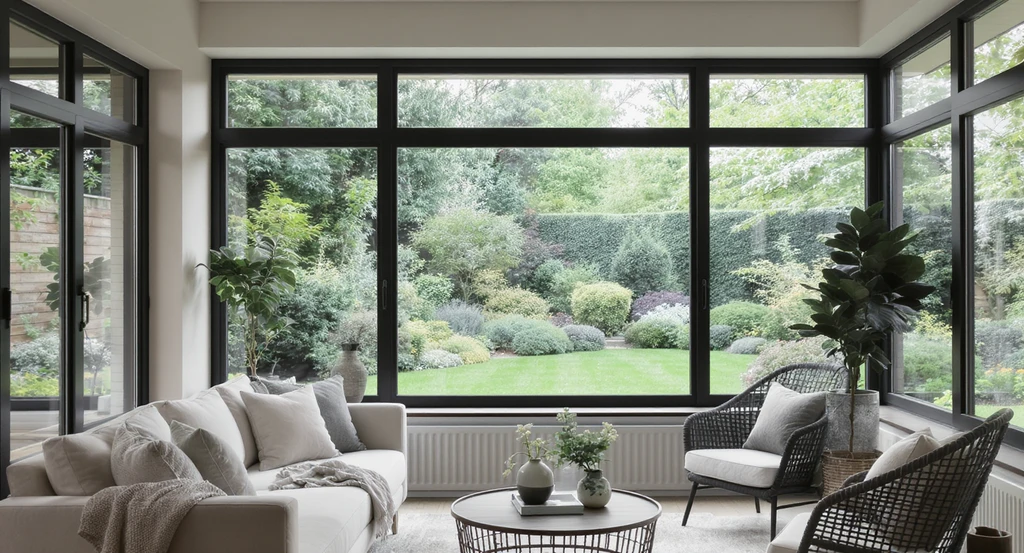
Dark window trim in this sunroom frames outdoor views like artwork, showing how to visualize sunroom furniture layout and avoid common sunroom mistakes.
Darker (charcoal or black) window trim naturally draws the eye outdoors, turning garden views into living art. Why it matters: Small visual changes, especially ones involving proportion and contrast, create an immediate feeling of refinement and harmony that people subconsciously trust and enjoy.
-
7. Create an Evening Version of the Room
Extend your sunroom’s usefulness with layered lighting floor lamps, sconces, or even subtle string lights. That way, the room’s comfort doesn’t end at sunset. Why it matters: Human experts understand how lighting influences mood and usability, which automated tools often overlook. A sunroom you like at night is one you’ll use all year.
-
8. Let the Floor Add Personality
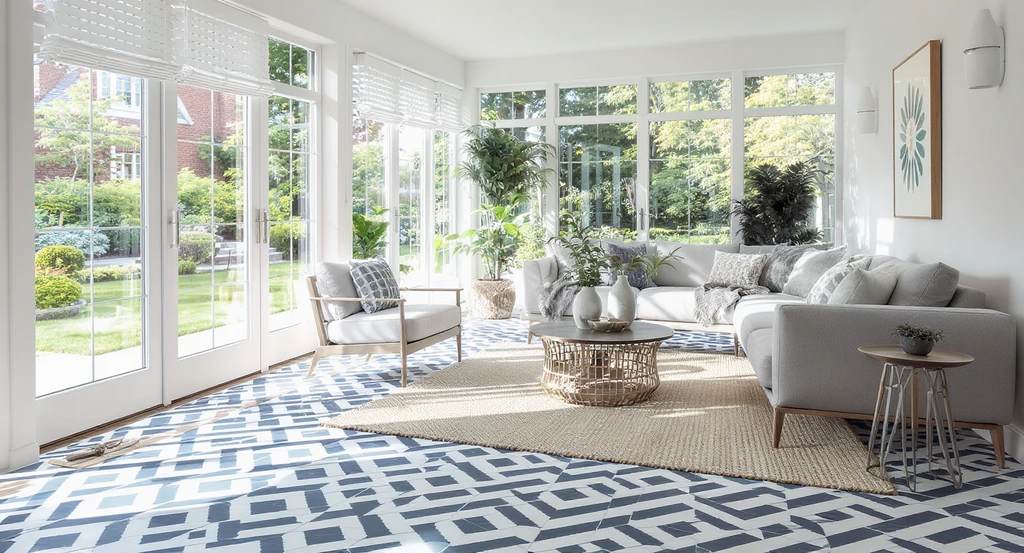
Vibrant flooring and layered textures show how to visualize sunroom furniture layout for Sunroom Ideas That Make the Space More Comfortable, Useful, and Beautiful, offering practical tips for choosing furniture scale in your sunroom.
Think beyond neutral tile or plain rugs. Try bold patterns, textured rugs, or painted flooring to add warmth and style without blocking light. Why it matters: The right flooring choices give your sunroom identity and comfort underfoot. Designers can suggest options that won’t compete with sunlight or outdoor views, helping you avoid aesthetic clashes before installation.
-
9. Divide Larger Sunrooms Into Purpose Zones
In spacious sunrooms, define different areas with rugs, lamp placement, or varying furniture groupings like a reading nook, dining space, or hobby zone. Why it matters: Purpose zones make larger rooms feel inviting and help everyone in the home enjoy the space differently. It’s hard for automation to understand real-world routines, but a human-centered approach ensures your room gets daily use.
-
10. Give the Room a Reason to Be Used Every Day
Connect your sunroom design to real habits: breakfast tables for families, cozy chairs for readers, tucked-away desks for work-from-home days, or a gardening setup for hobbyists. Why it matters: When space supports actual routines, it becomes part of daily life instead of a rarely used 'extra.' As we explored in how AI room design tools change decision-making, the smartest solutions start with your real needs.
-
11. Design for the Month You’ll Use It Least
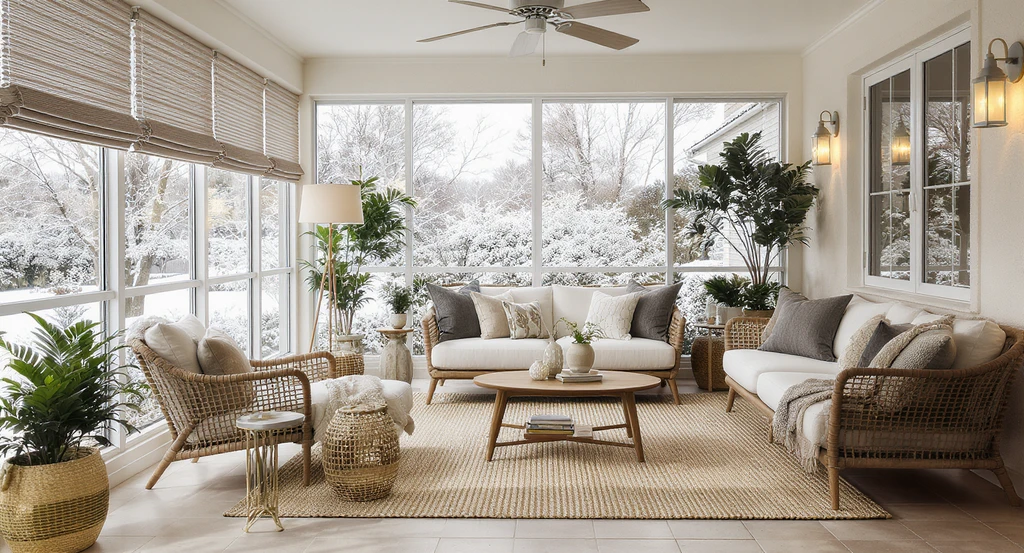
Smart sunroom design—layered rugs, scaled furniture, and adjustable lighting—demonstrates how to visualize sunroom furniture layout for Sunroom Ideas That Make the Space More Comfortable, Useful, and Beautiful, and offers tips for choosing the right scale and avoiding common sunroom furniture mistakes.
Consider the room’s trickiest season, maybe it’s too chilly during winter or too hot in peak summer. Add cozy rugs, adjustable blinds, layered textiles, and lighting you can control to boost year-round comfort. Why it matters: If a sunroom feels inviting during its toughest month, it’ll be your go-to space the rest of the year. Human expertise and professional visualization help anticipate comfort issues before they become regrets.
-
How to Choose a Sunroom Direction That Fits Your Life
Start by deciding what you want the room to feel like and how you’ll use it: garden-inspired retreat, relaxing escape, productive workspace, or entertainment hub?
- Garden-inspired retreat: Focus on layered plants and open light flow.
- Relaxing escape: Window seat, plush cushions, and calm textiles.
- Productivity: Include a dedicated work or reading zone.
- Entertaining: Arrange multiple seating groups and a dining nook.
- All-season comfort: Invest in shade, flexible lighting, and soft furnishings.
-
Visualizing Sunroom Furniture Layouts Before You Buy
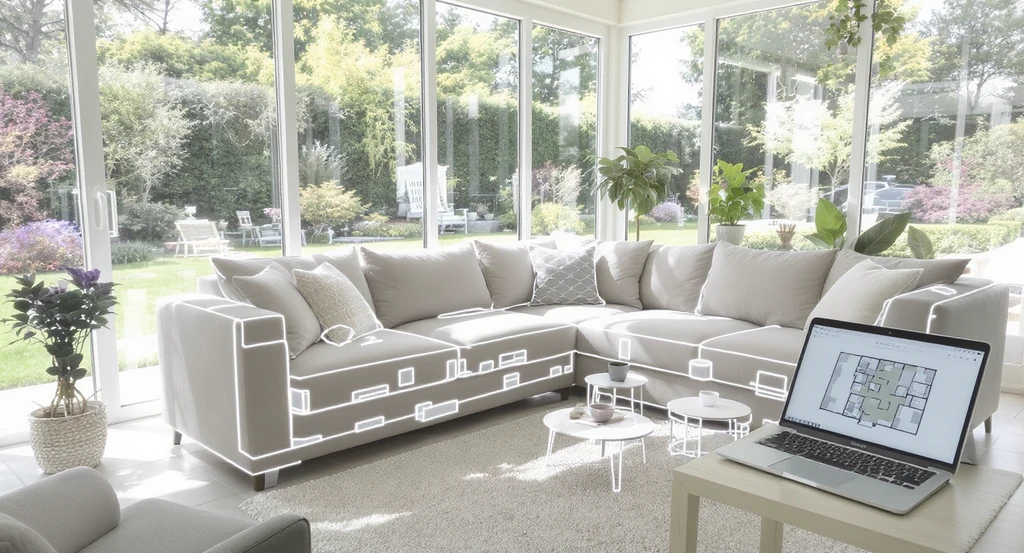
Explore how to visualize sunroom furniture layout to avoid common sunroom furniture mistakes and answer, "Does this sofa fit in my sunroom?" Get real-world tips for choosing furniture scale in sunroom spaces.
Before splurging on sofas or switching up new layouts, consider visualizing your choices. Whether it’s placing a sofa in your sunroom or testing out different plant arrangements, seeing your space digitally can prevent regrets and wasted spending. Exploration tools and expert visualization like those discussed in our post on the best AI home renovation tools—make it possible to try out options and find what truly feels right for your lifestyle.
Visualization Scenario
Picture uploading photos of your sunroom, exploring several furniture and plant layouts side by side, and instantly seeing which setup brings out the most comfort and style. This process saves you guesswork and helps you invest confidently in the right pieces.
FAQs About Sunroom Comfort and Design
- How do I choose the right scale of furniture for my sunroom?
- Measure the room, then use visualization tools or expert advice to see how each piece will fit and look before purchasing.
- What’s the most common sunroom furniture mistake?
- Overcrowding the room or ignoring sunlight patterns. Start with how you want to use the room, and design around natural light.
- Should I choose blinds or curtains for my sunroom?
- Both work—choose lightweight options for daytime shade, and layer with soft textiles for flexible comfort.
- How can I ensure my sunroom is usable year-round?
- Use layered lighting, adjustable window treatments, and add soft furnishings for cooler months or heavy sun.
- Can I visualize furniture layout before buying?
- Yes. Visualization tools and expert services can help you try out various layouts before making a commitment, as explained in our post on how to visualize your home before renovating.
Key Takeaways for a Comfortable, Beautiful Sunroom
A truly great sunroom is tailored to the way you live, not just how you want it to look. Prioritize comfort, usability, natural light, and daily routines over trends or catalog inspiration.
The most successful sunrooms are usually the result of thoughtful planning rather than more furniture. When you can see different possibilities before making decisions, it becomes much easier to create a space that feels comfortable, functional, and genuinely enjoyable throughout the year.
At its best, a sunroom should not feel like an extra room attached to the house. It should feel like the place you naturally choose to spend time in.


