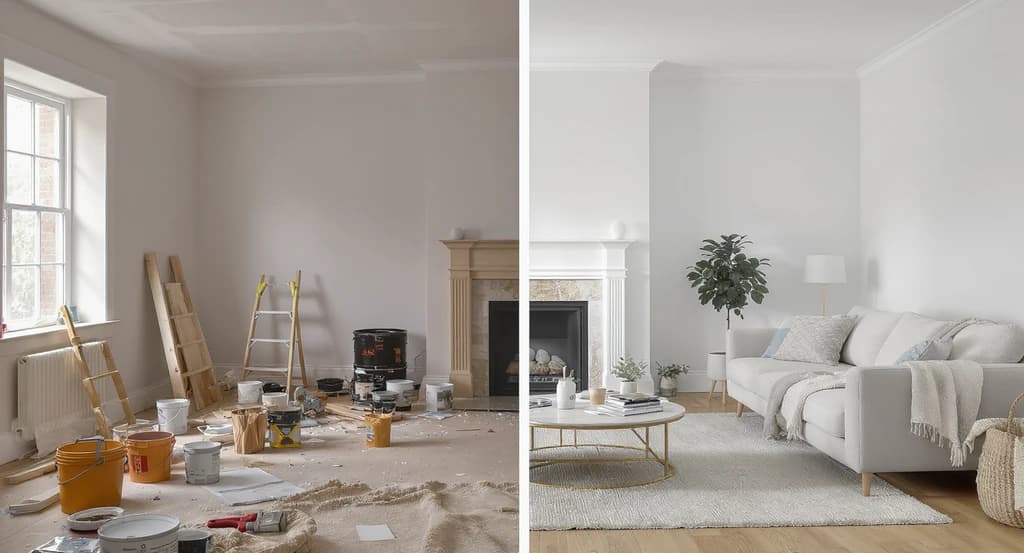
Virtual Staging in Real Estate
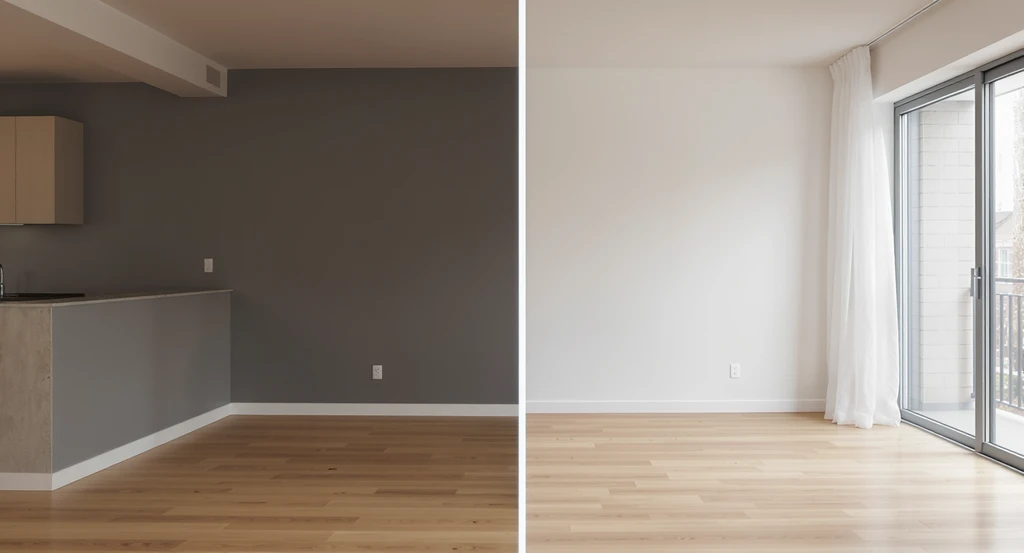
Ultimate guide to virtual staging 2026: see how virtual staging transforms empty spaces, offering a clear virtual staging cost breakdown for sellers and boosting home sales over traditional staging options.
Virtual staging is the process of digitally adding realistic furniture, decor, and design elements to property photos using specialized software. It helps real estate agents, sellers, and developers present empty or outdated spaces in their best light, improving buyer visualization and accelerating sales at a fraction of traditional staging costs. In the real estate industry, virtual staging boosts listing engagement, shortens time on market, and increases the property's perceived value all critical performance metrics in a competitive landscape.
-
Why Virtual Staging Matters in Real Estate
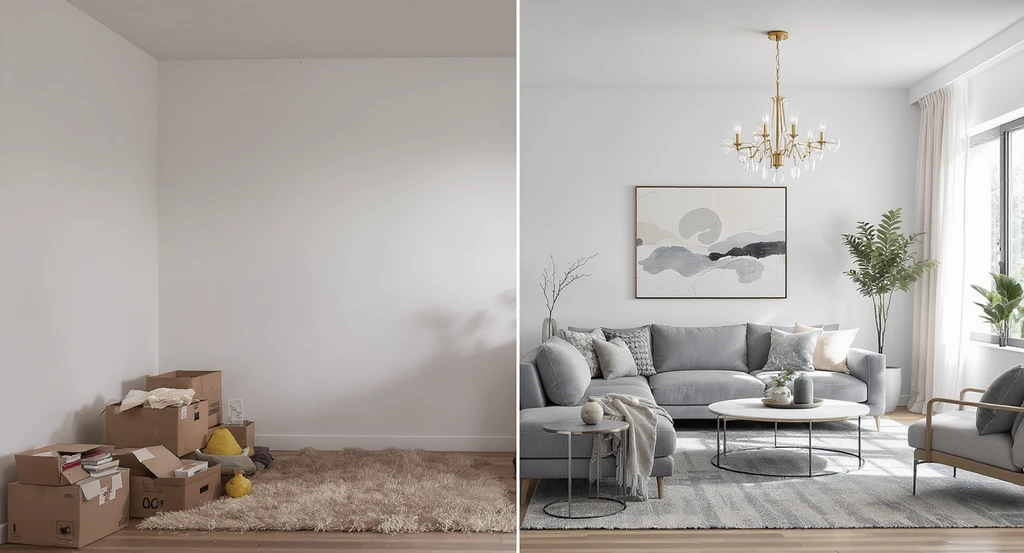
How virtual staging transforms listings: ultimate guide to virtual staging 2026 reveals a before-and-after of a real space, highlighting how virtual staging increases home sales, streamlines spatial flow, and offers a cost-effective alternative for sellers compared to traditional staging.
Unfurnished, cluttered, or poorly presented homes struggle to capture buyer interest online-which is where almost all real estate journeys begin. Stale photos make it difficult for prospects to imagine themselves living in the space, often resulting in longer days on market and lower offers. Virtual staging solves this visualization challenge, addressing common pain points: unclear spatial flow, lack of lifestyle cues, and homes looking smaller or less functional than they truly are. In an era where listings live or die by their online impact, making every property photo count is no longer optional it's essential.
Expert Insight
An agent in Atlanta faced a slow-moving luxury condo until trying virtual staging. Within 72 hours of uploading professionally staged images tailored to young professionals, she booked four showings—and a signed offer came in by week's end. The difference? Visualizing a move-in ready lifestyle buyers could instantly connect with.
-
How Virtual Staging Works: Step-by-Step Process
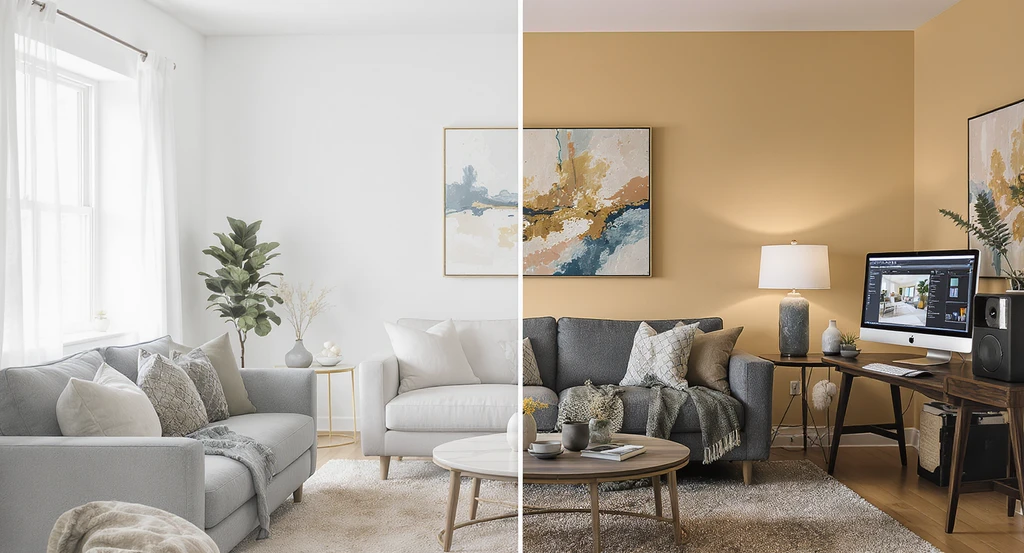
Ultimate guide to virtual staging 2026: See how the virtual staging process transforms empty rooms using digital furnishing, essential for understanding virtual staging cost breakdown for sellers and how virtual staging increases home sales. Compare the impact of choosing the best virtual staging company with traditional staging results.
- Capture High-Quality Base Photos: Clear, well-lit, and clutter-free images (often taken professionally) serve as the staging canvas.
- Virtual Clean-Up: Professionals remove distractions such as personal items, excess furniture, or unsightly features digitally.
- Style Selection: Choose design styles (e.g., modern, traditional, farmhouse) and communicate lifestyle goals for the listing.
- Digital Furnishing: Specialized photo editing and 3D rendering tools add realistic furniture, décor, and even change wall colors or floors as needed.
- Revisions & Feedback: Review initial results, request tweaks for layout, style, or color, and finalize images.
- Listing Preparation: Staged images are uploaded to your MLS, website, social media, or marketing collateral, clearly disclosed as virtually staged.
Advanced offerings: Include 360° virtual staging (for interactive room exploration) and virtual renovation (for incomplete or under-construction spaces).
-
Virtual Staging vs. Traditional Staging: Key Comparisons
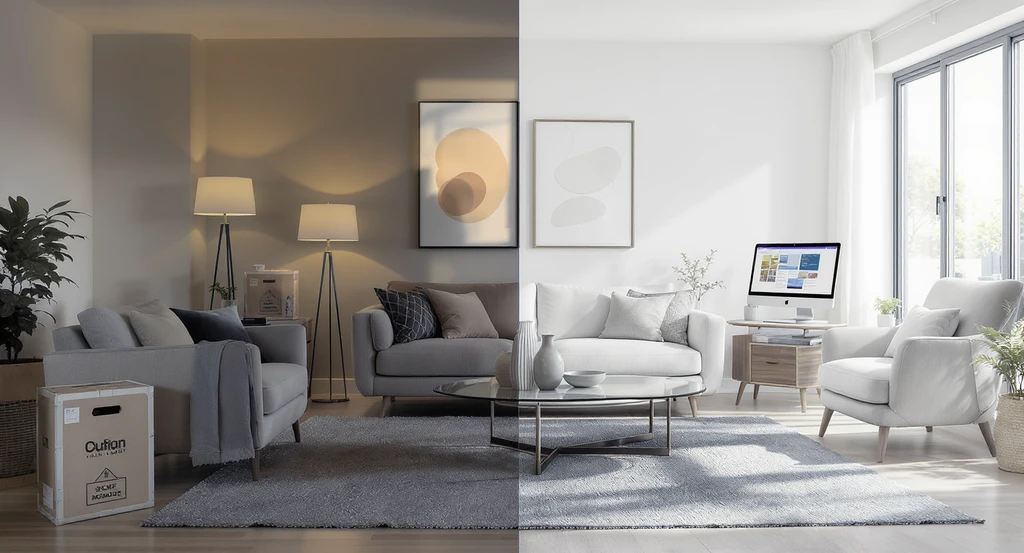
Virtual staging vs traditional staging comparison: This editorial image from the ultimate guide to virtual staging 2026 illustrates a cost-saving, flexible approach for sellers, showing how virtual staging increases home sales and aids in choosing the best virtual staging company.
- Cost: Virtual staging typically costs 90% less than physical staging—no furniture rentals, movers, or logistics required.
- Speed: Digital staging can be completed in 1–2 business days, while traditional staging may take weeks.
- Flexibility: Easily experiment with multiple design styles or configurations per room, appealing to diverse buyer segments.
- Risk: There’s no chance of physical damage to the property during staging or removal.
- Scope: Virtual staging is ideal for empty, occupied, or even unfinished homes.
-
Costs and Pricing Models in 2026
Virtual staging costs range as follows:
- Per Photo Pricing: Typical fees run $15–$50 per image for standard services; premium or complex designs may cost $75–$200 per image.
- Bundles/Packages: Discounted rates for multiple images or full-property projects, often with tiered support or add-ons.
- Subscriptions: For agents or brokerages with ongoing needs, packages may include 10–30 images per month at lower per-image rates.
- AI-Driven Tools: Recent AI platforms offer 6–15 images monthly starting around $10–$20, but may be limited in customization and quality.
-
Best Practices: Selecting and Using Virtual Staging Effectively
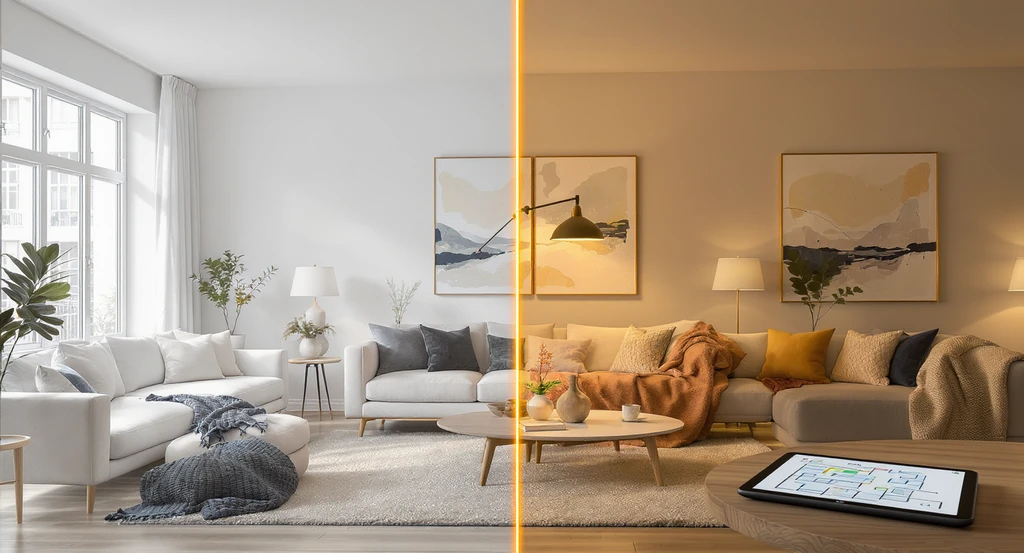
This ultimate guide to virtual staging 2026 shows a real-world example: empty rooms vs. virtually staged spaces, revealing how virtual staging increases home sales, cost breakdown for sellers, and the benefit of choosing the best virtual staging company for maximum impact.
- Prioritize high-impact rooms: Bedrooms, living rooms, dining areas, and kitchens attract the most buyer interest.
- Tailor to your audience: Choose staging styles that reflect buyer demographics and property type—modern for urban condos, cozy for family homes.
- Invest in quality photos: The final result is only as good as the photo’s clarity, perspective, and brightness.
- Be transparent: Always disclose when images are virtually staged to maintain ethical and legal compliance.
- Test multiple designs: Leverage digital flexibility to present rooms in different styles or layouts for targeted marketing.
- Leverage technology: Consider interactive 360° tours or 3D floor plans for immersive buyer experiences, especially for luxury or large listings.
-
Styldod's Role: Powering Visual Decision-Making in Real Estate
Platforms like Styldod bridge the gap between basic image editing and strategic property visualization. With tools such as REimagineHome (AI-driven visualization), a robust Smart Media Module (managing workflows and compliance), and an expert team for custom staging, we enable agents, developers, and owners to:
- Visualize multiple design options before committing to physical change.
- Manage large volumes of imagery for portfolio-scale listings.
- Comply with MLS guidelines and market with professionalism.
- Integrate with 3D tour platforms for maximum buyer engagement.
-
Common Mistakes in Virtual Staging and How to Avoid Them
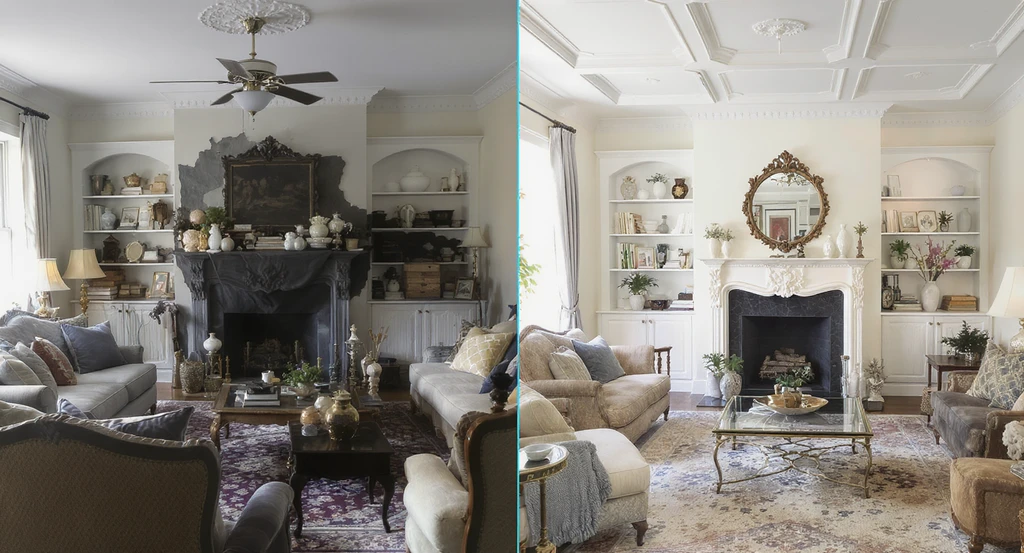
This ultimate guide to virtual staging 2026 highlights common staging mistakes—low-quality images, mismatched decor, ignoring key features—and how professional, realistic staging boosts home sales and seller value, as seen in a direct visual comparison.
- Using low-resolution or badly composed base photos—always start with professional-quality images.
- Ignoring buyer demographics—mismatched styles can alienate target audiences.
- Over-staging or overly idealized designs—unrealistic images can disappoint at showings and damage trust.
- Failing to disclose staged imagery—non-disclosure can result in legal or MLS infractions.
- Skimping on essential rooms—only staging one or two spaces misses the chance to tell a holistic story.
- Overlooking unique architectural features—stage to showcase what sets your property apart.
Visualization Scenario
Imagine a blank, window-filled primary bedroom. In days, it's presented online in two distinct styles: a minimalist modern suite with soft textures and a cozy, traditional retreat. Both staged images drive buyer inquiries, allowing the listing agent to follow up based on buyer preferences—proving the room's versatility and capturing more leads.
Virtual Staging FAQ for 2026
- Is virtual staging allowed on the MLS?
- Yes, but you must clearly disclose altered images to comply with most MLS rules.
- How much does virtual staging cost?
- Usually $15–$50 per image, with discounts for packages or subscriptions. Advanced services may cost more.
- Which rooms should I stage virtually?
- Focus on the bedroom, living room, dining area, and kitchen for maximum impact.
- Can buyers tell if a home is virtually staged?
- If done well, it’s highly realistic, but disclosure is always recommended for transparency.
- Does virtual staging help homes sell faster?
- Yes. Staged homes typically attract more attention and sell faster compared to vacant ones.
- Is AI-based staging as good as expert design?
- AI tools are fast and affordable, but human experts provide richer customization and quality for premium listings.
- Can I request changes to virtually staged images?
- Most services offer free or low-cost revisions—always confirm with your provider before starting.
Key Takeaways: Virtual Staging = Competitive Edge
Virtual staging is revolutionizing real estate, empowering agents and sellers to present properties in their best light, faster and more affordably than ever before. By leveraging high-quality digital designs, interactive tours, and strategic room choices, you drive more engagement, boost perceived value, and close deals sooner. The right partner—using advanced visualization tools and professional services—ensures you maximize this essential marketing asset for 2026 and beyond.