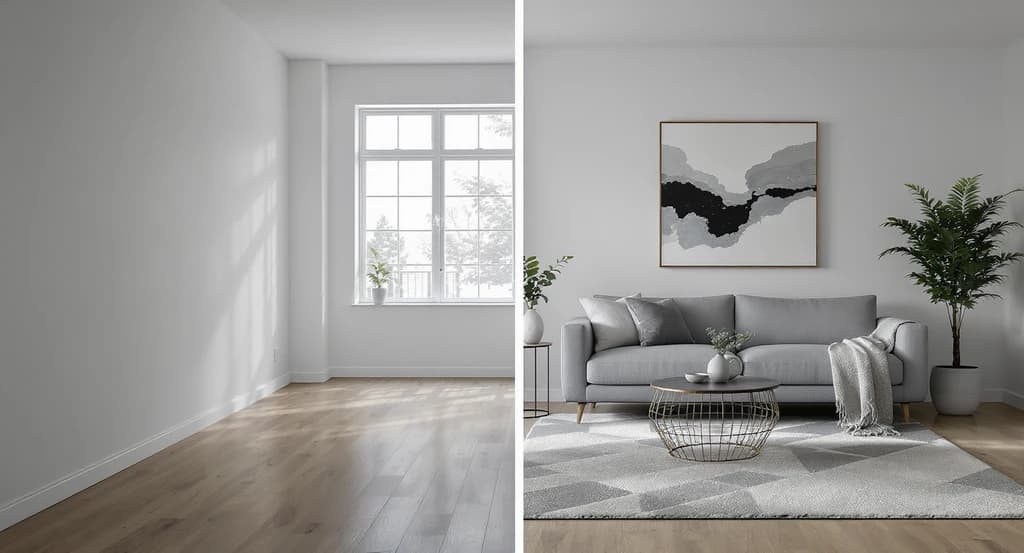
Does Virtual Staging Actually Help Sell Properties Faster Than Empty Listings?
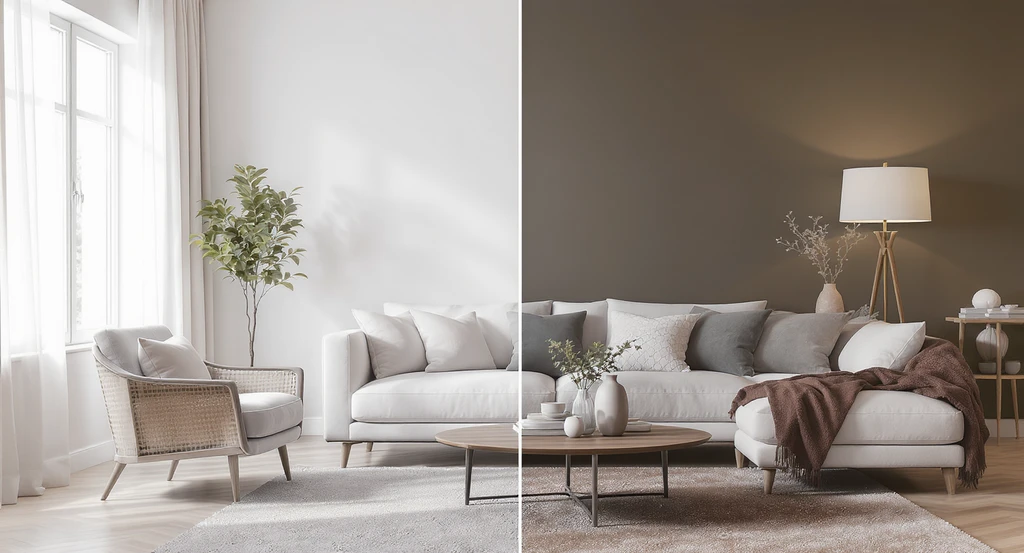
Comparing does virtual staging sell homes faster: a living room pictured empty next to a virtually staged version, highlighting virtual staging vs empty room photos for realtors, buyer trust, and ethical disclosure.
When selling a vacant home, you face a critical choice: showcase rooms as they are, or use virtual staging to fill them with digital furniture. Most buyers make decisions based on listing photos, so the right strategy can truly accelerate a sale. While empty photos are honest, they rarely spark imagination. Virtual staging, when done well, helps buyers visualize themselves in the space and increases online clicks and showings. However, it must look authentic and always be disclosed. Real-world results suggest virtual staging outperforms empty photos for attracting attention and offers—if executed with transparency and realism. Here’s how and why it works, plus the pitfalls to avoid.
-
1. Virtual Staging Wins Online Attention
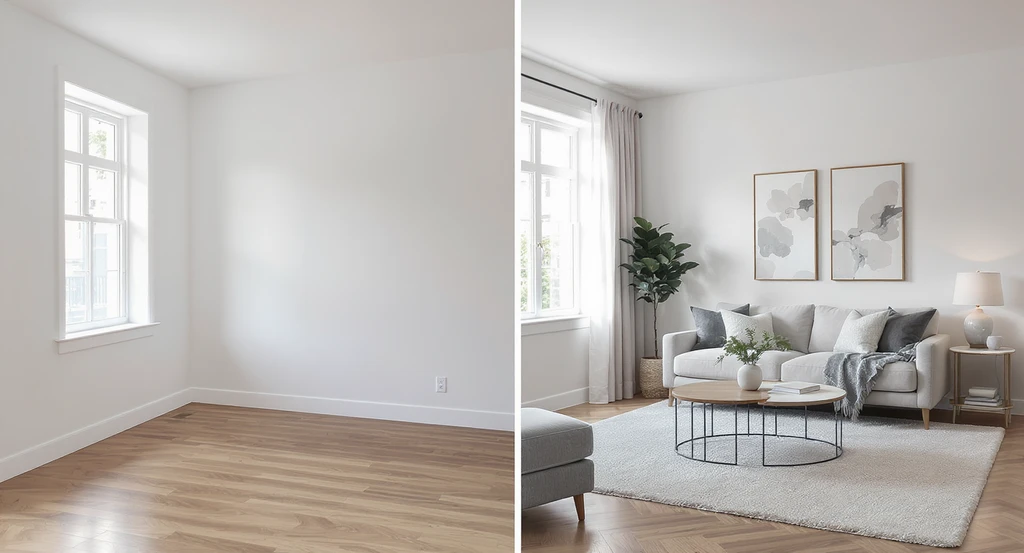
Comparing virtual staging vs empty room photos shows how realistic virtual decor increases buyer engagement. Discover the impact of virtual staging on buyer trust, ethical concerns with virtual staging disclosure, and does virtual staging sell homes faster.
Empty listings tend to look cold and uninspiring in online galleries. Virtual staging, on the other hand, transforms bland spaces into inviting rooms, helping buyers instantly imagine how they might live there. This visual appeal leads to more clicks, longer viewing time, and more scheduled showings—all boosting a property's chance of selling faster. Tip: Use realistic virtual decor and current design trends. Stay away from cartoonish or overly stylized staging.
-
2. Avoiding Buyer Disappointment
Some buyers feel let down visiting a vacant property after seeing it beautifully staged online—especially if the staging was unrealistic. This happens when the virtual furnishings misrepresent size, scale, or even finishes. Misleading images break trust and can kill deals. Tip: Always provide both an empty room photo and the virtually staged version. Accurately portray room dimensions, and never edit the architectural features.
-
3. Disclose Virtual Staging in All Listings
Failing to disclose virtual staging can result in MLS violations and unhappy buyers. Transparency is essential to building trust and avoiding legal setbacks. Tip: Clearly label every virtually staged photo in your listing and public remarks: "Room virtually staged to show potential layout."
-
4. Virtual Staging Appeals to More Buyers
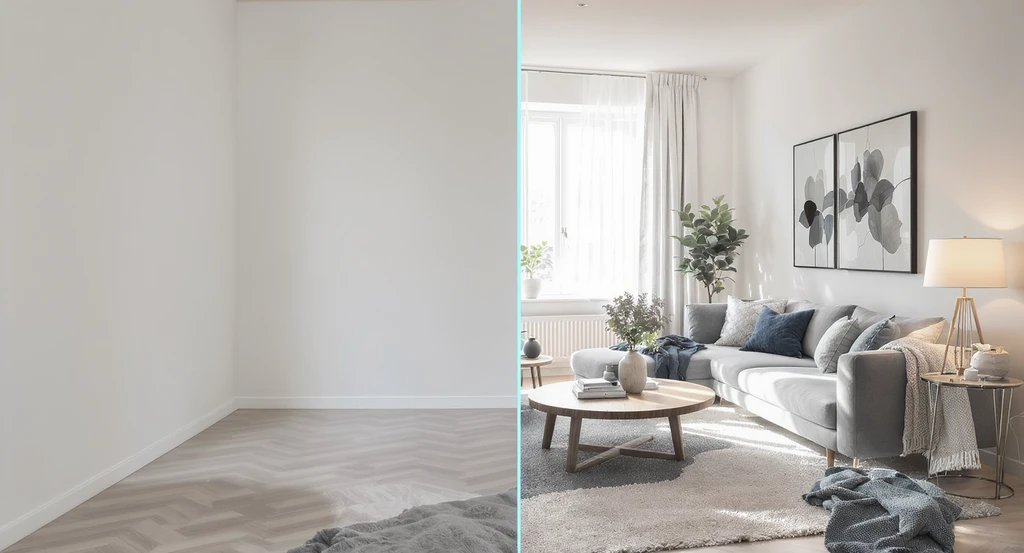
Side-by-side view of an empty room and a virtually staged living space highlights how virtual staging vs empty room photos can increase buyer interest and trust.
Research and agent feedback show that roughly half of buyers have trouble imagining furniture placement in empty rooms. Attractive virtual staging bridges that gap, making listings resonate with both visually-oriented buyers and those with design imagination. Tip: Use virtual staging as a supplement. In slow markets, visually showing options can make your property stand out.
-
5. Enhanced Marketing Without the Cost of Physical Staging
Traditional staging is still the gold standard but can be expensive and time-consuming. Virtual staging delivers similar online impact for a fraction of the price, especially useful in competitive or price-sensitive markets. Tip: Invest in professional virtual stagers or trusted AI tools for realistic results. Cheap or DIY options tend to look fake and deter buyers.
-
6. Empty Photos: Clarity, Not Always Appeal
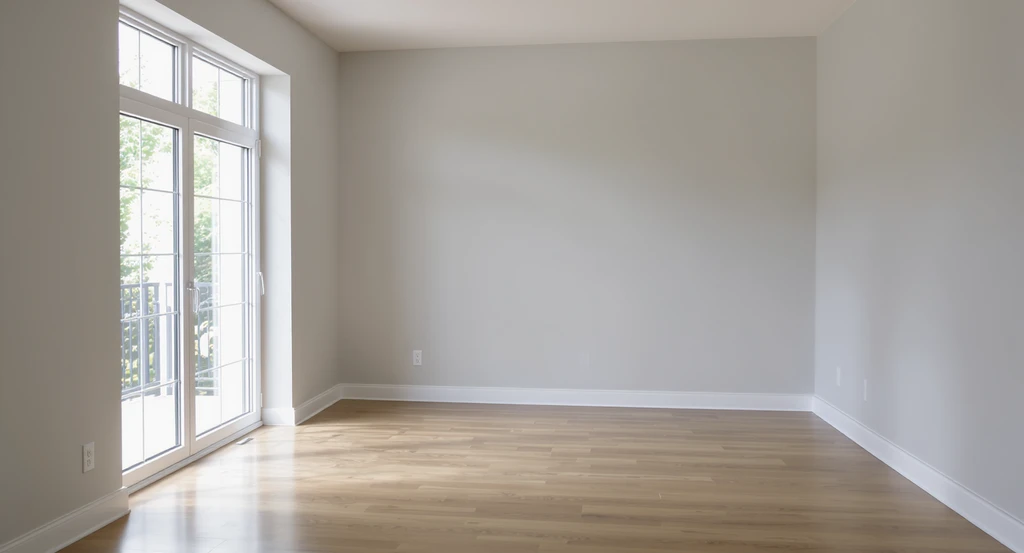
Empty room photos show the real unfurnished space, raising ethical concerns with virtual staging disclosure and impacting buyer trust in real estate listings.
While empty room photos reflect the real, unembellished space and remove all doubt about what buyers will see, they often fail to inspire. Some buyers prefer this honesty and open feel, but most people respond emotionally to staged visuals. Tip: Use empty shots for compliance and transparency, but lead your gallery with thoughtfully staged images.
-
Why Visual Strategy Matters in Real Estate Listings
Visuals shape emotional responses and set expectations before a buyer ever walks through the door. Well-staged photos (real or virtual) activate buyer imagination, shorten decision time, and can lead to higher offers. Poor staging or misleading visuals erode trust and can reduce perceived value, making homes harder to sell. Understanding buyer psychology is key: Most people need help seeing possibilities, and high-quality visuals are your most powerful tool.
-
The Modern Workflow: Combining AI, Media Management, and Expert Editing
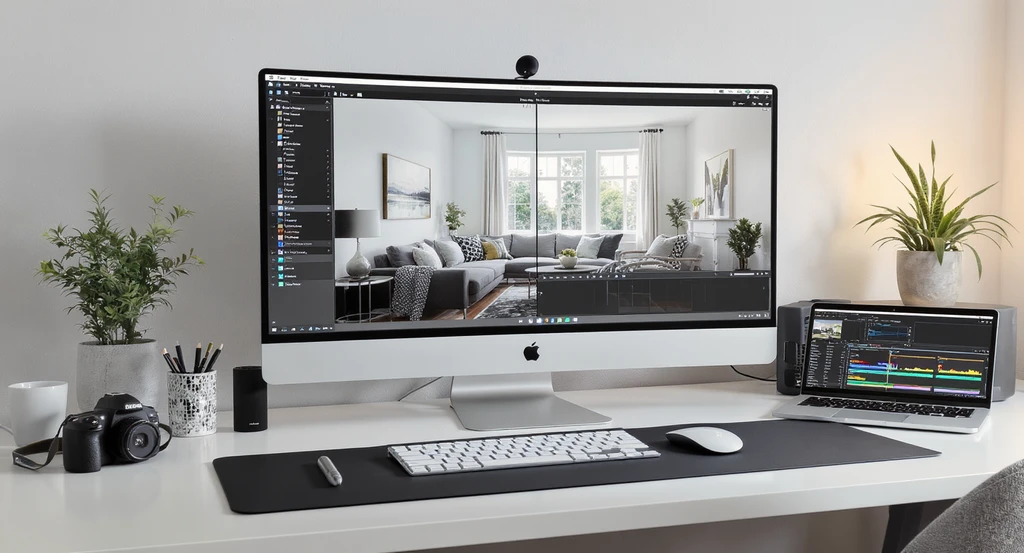
A streamlined workflow displays virtual staging vs empty room photos side-by-side, showcasing best virtual staging practices for realtors and how these tools enhance buyer trust and listing impact.
Top-performing agents leverage an ecosystem that blends AI visualization, streamlined media management, and skilled editors. AI-powered tools quickly create realistic, customizable virtual staging. Media platforms allow easy side-by-side presentation of empty and staged versions. Expert editing polishes every image for maximum impact and compliance. This seamless approach improves consistency, reduces turnaround times, and ensures buyers get a clear, believable view of the home's potential—setting your listings apart in a crowded market.
-
Common Virtual Staging and Photo Listing Mistakes to Avoid
- Using obvious or cartoonish virtual furniture that makes listings look fake
- Not labeling virtually staged images (can result in MLS fines)
- Overediting photos to the point of misrepresentation—incorrect finishes or altered architecture
- Relying on virtual staging alone without providing empty or real photos for transparency
- Forgetting to tailor the style or scale to match the room, which can confuse or mislead buyers
Visualization Scenario
Picture an empty condo: white walls, nothing on the floor. Online, the listing gets passed over. Now, with virtual staging, the same photos show cozy seating, warm rugs, and inviting décor—buyers pause, imagine their lifestyle, and schedule showings. The space goes from cold to captivating, helping the listing stand out and sell swiftly.
Frequently Asked Questions about Virtual Staging and Listings
Does virtual staging help sell homes faster?
Yes. Well-executed virtual staging attracts more buyer interest, increases showings, and can speed up sales, especially for vacant listings.
Should all vacant listings use virtual staging?
It depends on your market and budget, but virtual staging is a low-cost way to increase appeal for most vacant homes.
Is virtual staging misleading?
Only if overdone or undisclosed. Always label staged photos and don’t alter room features.
Can buyers get upset by virtual staging?
Yes, if the staging is unrealistic or not disclosed. Provide both staged and empty photos for clarity.
Do empty photos sell homes?
Some buyers prefer them for honesty, but most listings attract more interest with staged visuals.
Is physical staging better than virtual staging?
Physical staging is most effective for in-person impact but is costly. Virtual staging is more practical for online marketing and vacant homes.
Are there legal requirements for virtual staging?
Yes. MLS rules and ethical guidelines require disclosing any modifications to listing photos.