
TL;DR
Empty homes underperform because buyers are unable to judge scale, function, or livability. This lack of visual cues leads to hesitation, confusion, and fewer offers. AI-powered staging closes these critical gaps, anchoring buyer expectations, reducing uncertainty, and improving listing outcomes. Addressing these nine visualization failures makes empty homes stand out and sell faster.
Why Empty Homes Struggle, It’s Not Just the Square Footage
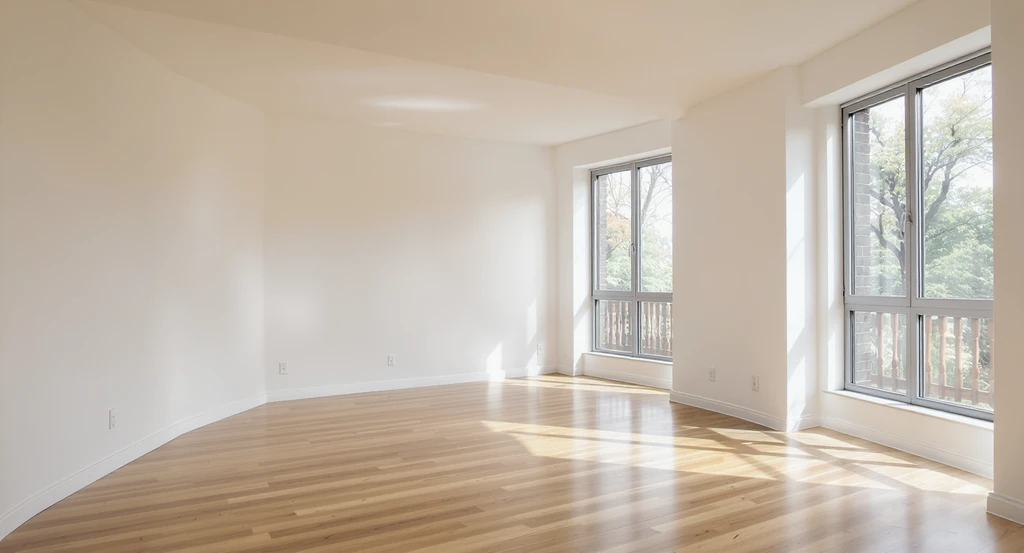
The visualization gap in empty home sales is clear when buyers face blank, uninviting rooms—staging solves decision fatigue and boosts listing engagement by addressing buyer psychology.
Most real estate professionals assume a blank home helps buyers envision their own life in the space. In reality, the absence of furniture or décor actually heightens buyer uncertainty rather than inspiration. Empty rooms provide no visual scale, no emotional cues, and no functional context. This forces buyers to perform mental gymnastics, leading to hesitation and missed offers. Psychologically, buyers aren’t designers, they rely on rapid first impressions and clear references to decode space and usability. Listings that force buyers to guess foster doubt, low engagement, and lingering time on market. This is the root cause of the 'visualization gap.' AI-focused virtual staging resolves these bottlenecks, offering instantly legible, tailored visuals that drive buyer action. According to our guide on ReimagineHome, the key is clarity, not just aesthetics.
-
What Is the Visualization Gap and Why Does It Matter?
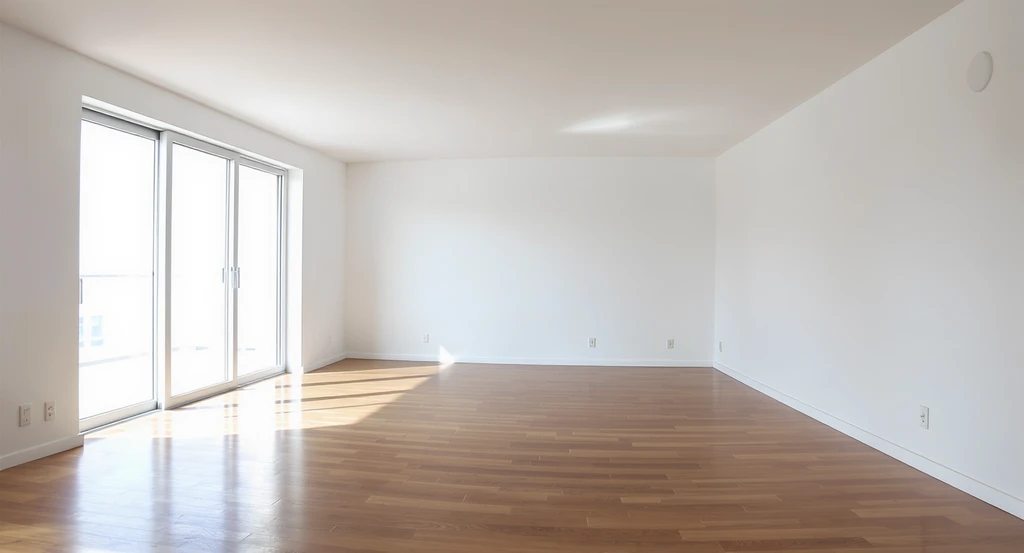
An unfurnished living room illustrates the visualization gap in empty home sales, highlighting how buyer psychology affects staging and decision fatigue in real estate listings.
The 'visualization gap' is the disconnect between what buyers see and what they need to confidently interpret a home’s potential. When professional images show bare walls and empty floors, buyers struggle to answer three core questions: How big is this room? What is it for? Will my lifestyle fit? Decision friction occurs the moment a room’s function, size, or flow is ambiguous. Research shows buyers disengage in as little as 3–5 seconds if they aren’t visually anchored. This is more than a preference, it’s a fundamental cognitive process tied to visual reasoning. Listings with large, empty spaces are perceived as less inviting, less memorable, and higher risk. Every missing visual cue adds another obstacle to a buyer’s decision-making journey.
Expert Insight
A developer listed two nearly identical units simultaneously. The empty apartment drew little interest, while the AI-staged one secured multiple offers in under a week. The only notable difference was the addition of virtual furnishings anchoring scale and lifestyle in the images.
-
Gap #1: No Scale Reference, Buyers Misjudge Space Instantly

Realistic virtual staging closes the visualization gap in empty home sales—anchoring a 12x14 bedroom with core furniture pieces helps buyers accurately assess size and potential, leveraging buyer psychology and boosting listing engagement.
Empty rooms distort buyers’ sense of size. With nothing to compare, a 12x14 bedroom can seem cramped or cavernous for different people. Psychologically, humans judge size relative to familiar objects. Rooms lacking beds, sofas, or area rugs force uncertainty, leading buyers to underestimate the space. Apply the Scale Anchoring Rule: include core furniture pieces (even virtually), place rugs past seating areas, and use visually proportional staging. AI-powered tools allow rapid placement and adjustment, ensuring that every listing photo provides instant and accurate scale context.
-
Gap #2: Increased Cognitive Load Creates Decision Fatigue
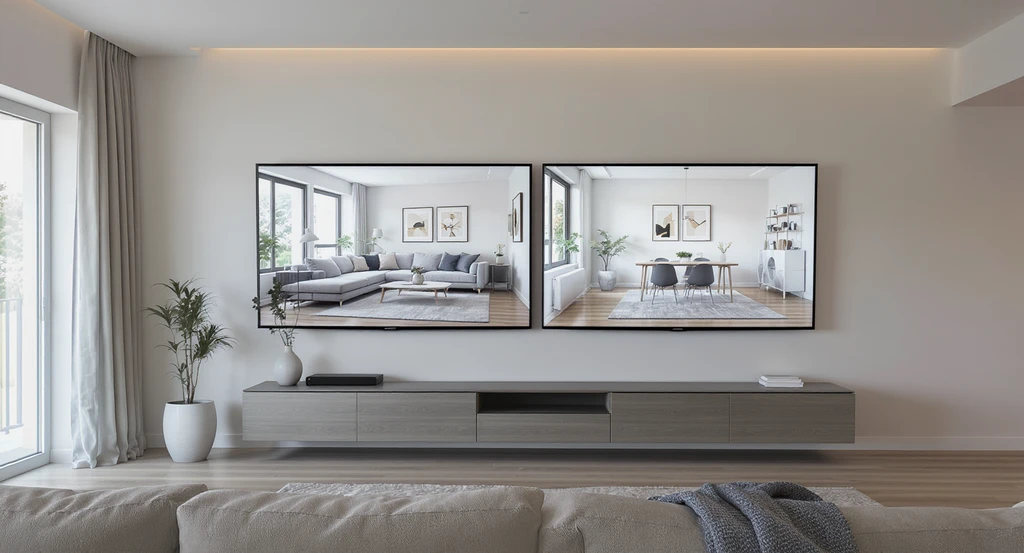
Virtual staging side-by-side layouts in an empty living room help close the visualization gap in empty home sales by easing buyer psychology and reducing decision fatigue in real estate listings through clear, compelling first impression photos.
When buyers must imagine multiple layouts or guess at possible uses, their cognitive load spikes. Constant uncertainty leads to decision fatigue, especially for first-timers. Instead of visual clarity, the buyer experiences mental exhaustion, stalling the sales process. Reduce this by staging main functional areas and providing 1–2 optional digital layouts per room. AI staging platforms excel at this because they can quickly generate visual alternatives without costly or disruptive physical changes. For cost insights, explore our analysis of our expert services guide.
-
Gap #3: Flat Images Destroy Visual Flow and Engagement

Staging living rooms with the 3-layer depth rule closes the visualization gap in empty home sales, boosts listing engagement, and leverages buyer psychology for impactful first impression real estate photos.
A series of empty room photos tends to look flat, both literally and emotionally. There’s no depth, rhythm, or journey for the viewer’s eye. This visual monotony kills online engagement within seconds. Use the 3-Layer Depth Rule: foreground (e.g., a chair), midground (sofa/table), and background (artwork/windows) in every shot. AI staging can effortlessly blend these elements for maximum impact, helping ensure every room has depth and keeping buyer attention locked in.
-
Gap #4: Emotional Disconnect, No Warmth, No Memory Anchor

Gap #4: Emotional Disconnect, No Warmth, No Memory Anchor Image
Sterile, empty spaces fail to evoke a lived-in feeling. Emotional resonance is missing, making it difficult for buyers to form positive associations. Without lifestyle cues like throws, pillows, or a reading nook, homes appear temporary or unloved. Digital staging can inject these elements instantly, creating warmth, distinctive vignettes, and emotional hooks. This not only boosts recall, it also motivates buyers to act. The presence of memory anchors, distinct features buyers remember, can dramatically differentiate one property from another.
-
Gap #5: Poor Layout Clarity, Flaws Are Exposed, Function Is Hidden
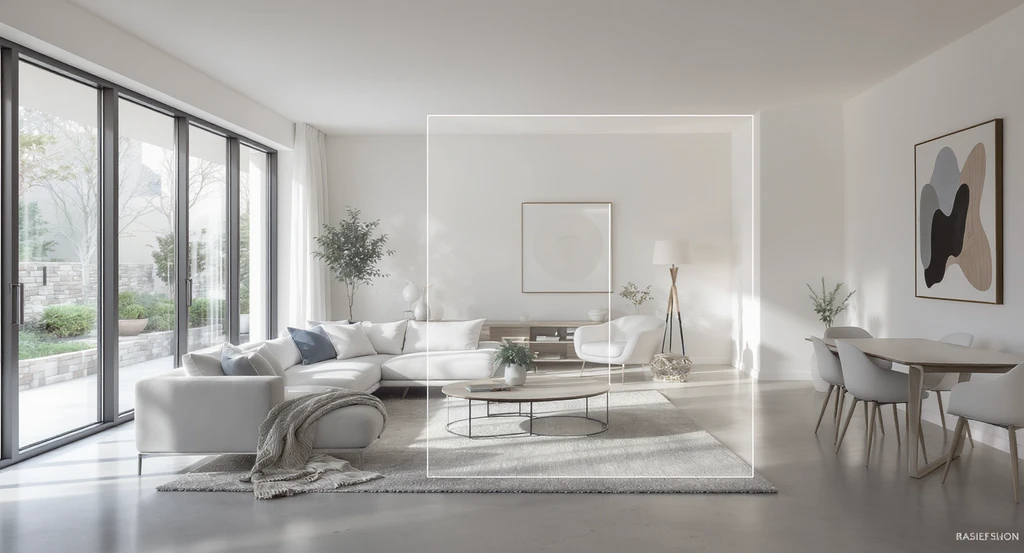
Empty homes reveal layout flaws, leaving buyers uncertain. Virtual staging demonstrates how clear zoning solves visualization gaps in empty home sales, reducing decision fatigue and improving first impressions in real estate photos.
Empty homes make awkward layouts or undefined zones glaringly obvious. Buyers struggle to envision how to use odd corners or open plans, worrying about wasted space or impractical flow. Define every area visually: stage with appropriately scaled furniture, use area rugs to zone spaces, and make alternative configurations visible. Digital tools allow for quick experimentation with different layouts for various buyer types. This reduces friction and boosts confidence in the home’s utility.
-
Gap #6: Negative Space Is Seen as Wasted Space
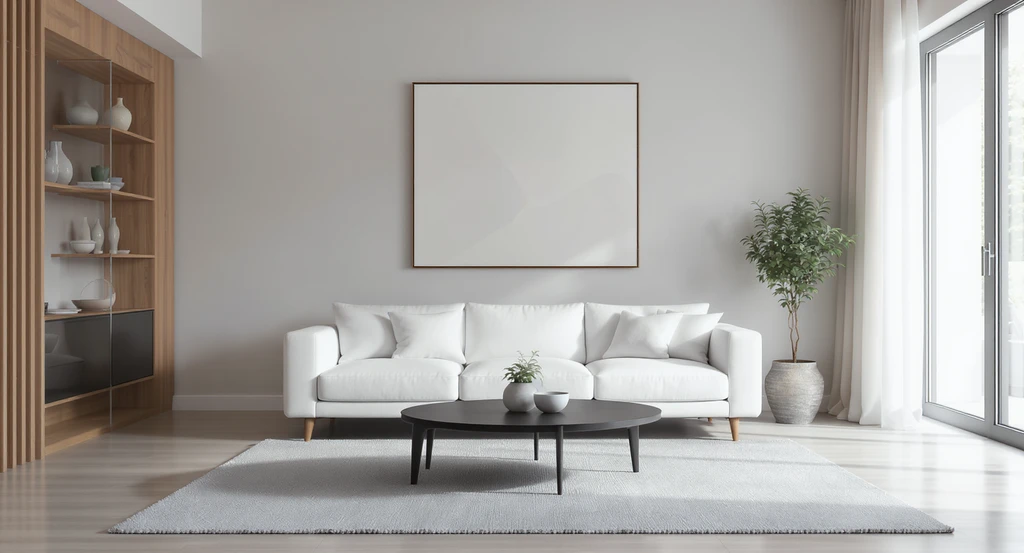
Gap #6: Negative Space Is Seen as Wasted Space Image
Where designers appreciate negative space, buyers interpret it as inefficiency. Unanchored corners, empty walls, and vast floorspace are read as missed opportunities or design flaws. Strategically fill negative space using visual anchors, console tables, reading chairs, or bookshelves (real or virtual). AI-driven staging rapidly tests different arrangements, making it easy to find the most appealing and functional setup without time-consuming reworks.
-
Gap #7: Forgettable Listings, No Stand-Out Features
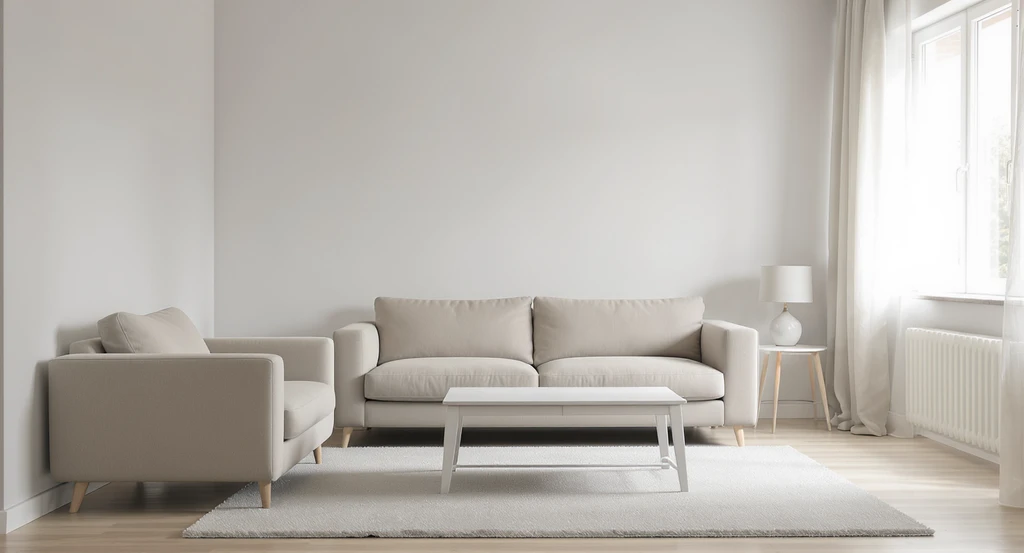
Gap #7: Forgettable Listings, No Stand-Out Features Image
Listings full of blank rooms are nearly impossible to recall after a day of browsing. Without hooks, bold color, distinctive lighting, or art, buyers remember nothing, and your property merges into the background noise of the market. Every space should have at least one memory anchor. Use unique focal points, statement décor, or color elements to drive recall. This system makes your listing stick in buyers’ minds longer and lifts the chance of a second look.
-
Gap #8: Heightened Perception of Risk
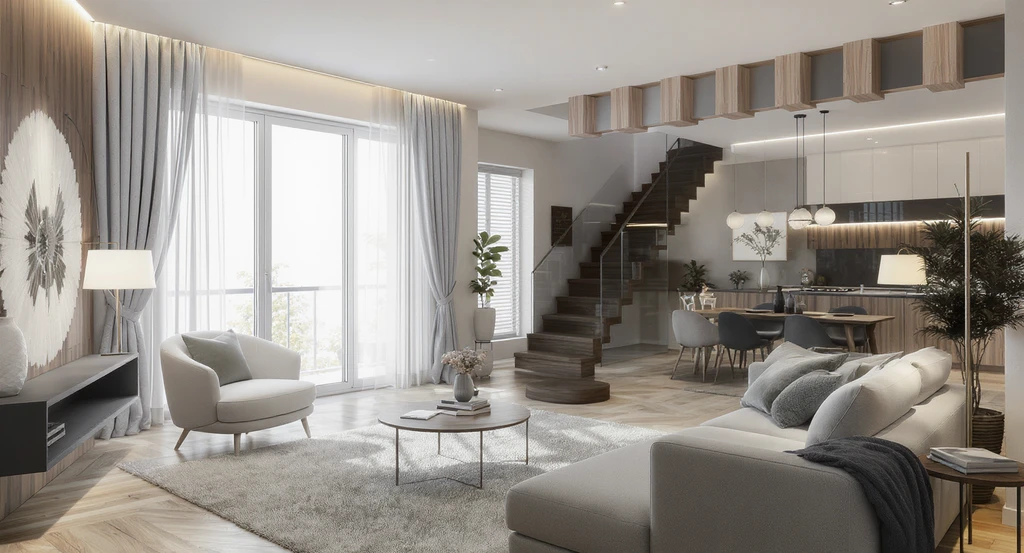
Gap #8: Heightened Perception of Risk Image
Any ambiguity about room scale, layout, or usability triggers risk aversion, especially for first-time buyers and investors. The absence of clear functionality leads to assumptions about undisclosed problems or hidden costs, a dangerous scenario for listing performance. Tailor your visual strategy based on buyer segment. Families need signs of everyday livability, investors want clear, functional layouts, and renters look for move-in simplicity. AI-driven visualization tools let you adapt staging per audience, boosting perceived value and speeding up offer timelines.
-
Gap #9: Poor Visual Flow, Engagement and Offers Drop

Gap #9: Poor Visual Flow, Engagement and Offers Drop Image
Sequence matters as much as content. Listings with repetitive, empty room images don't build momentum or narrative. Buyers scroll past, disengaged. Online, high drop-off correlates to poorly sequenced, generic visuals. Curate your image flow, start with a strong hero shot, transition through main living spaces, close with special details. Ensure consistency in lighting and color balance. Modern media management tools help maintain high standards efficiently.
-
How to Bridge the Visualization Gap: A Step-by-Step System
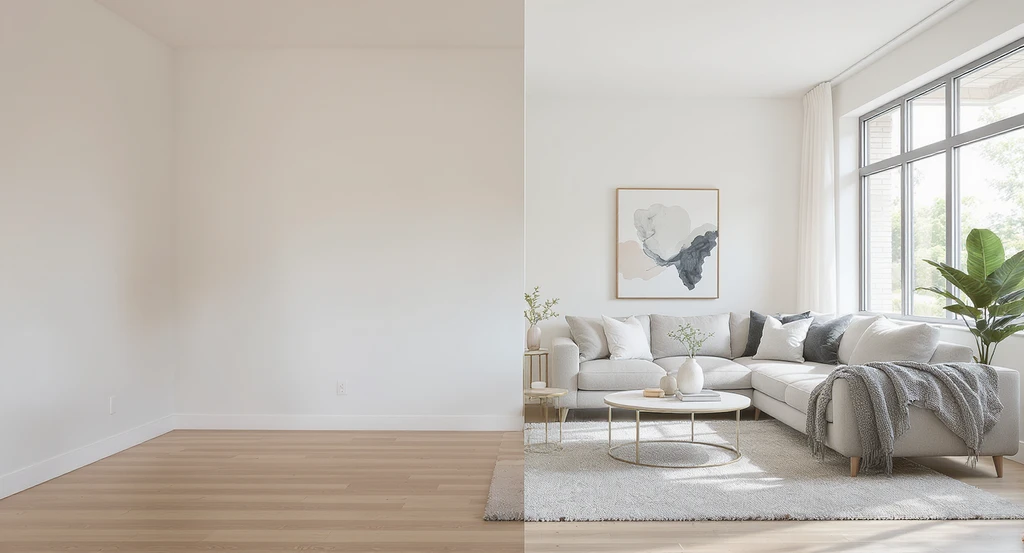
Professional-quality listing photo demonstrates how virtual staging fills the visualization gap in empty home sales, addressing buyer psychology and decision fatigue with first impression real estate photos.
To optimize an empty home listing for conversion:
- Capture professional-quality, high-resolution images of empty rooms.
- Upload photos to a reliable visualization or staging platform.
- Apply virtual staging to anchor scale, add layers, and insert memory features according to the target audience.
- Test multiple layouts before choosing the best for your list of buyers.
- Sequence photos for rhythm (hero–core functions–details).
- Maintain consistent lighting and natural presentation, avoid unrealistic effects.
- Review for over-editing errors using our recommendations at our expert services guide.
- Publish only after all visual gaps have been addressed.
-
AI Staging vs. Physical Staging: Performance and Cost Considerations
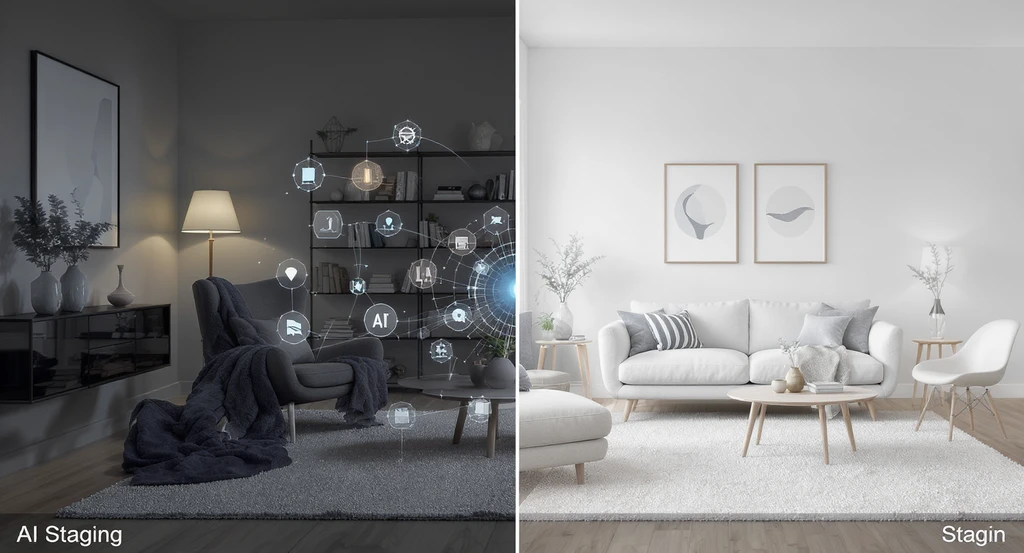
AI Staging vs. Physical Staging: Performance and Cost Considerations Image
AI-powered staging delivers speed, flexibility, and quick iteration, ideal for vacant, remote, or high-velocity listings. Physical staging offers tactile realism for ultra-luxury homes or in-person showings but is slower and more costly for general use. Assess your operational needs and audience: if digital versatility, cost-efficiency, and rapid turnaround matter, AI staging wins. For a full breakdown of value drivers and practical staging cost differences, see the virtual staging pricing guide at Styldod's Smart Media Module.
-
Common Listing Mistakes When Addressing Empty Homes

Common Listing Mistakes When Addressing Empty Homes Image
Despite the best intentions, these recurring errors undermine empty home sales:
- Over-editing or unrealistic imagery, leads to distrust and suspicion
- Lighting/color inconsistencies, confuses buyers
- Incorrect furniture scale, misleads buyers about true space
- Undefined room function, forces buyer guesswork
- Poor image sequencing, reduces engagement rhythm
- Forgetting unique focal points, makes listings forgettable
-
Optimizing Your Listing Workflow: Media Infrastructure Matters
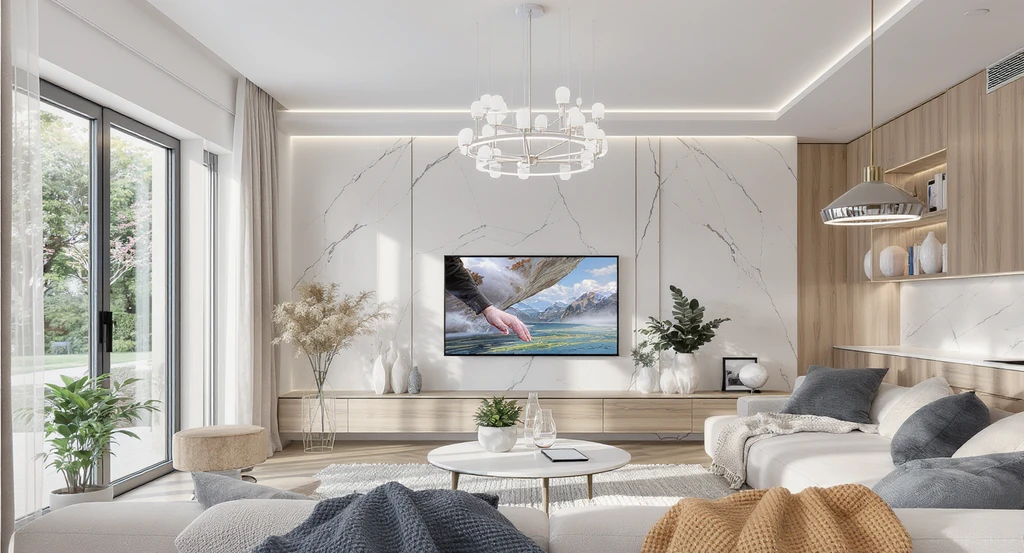
Optimizing Your Listing Workflow: Media Infrastructure Matters Image
Effective management of all listing visuals demands streamlined infrastructure. AI-powered media modules and expert editing services can dramatically improve turnaround, scalability, and standardization, especially for brokerages, teams, or platforms handling high volumes. Tools that connect visualization (decision layer) to media execution and operations allow you to adapt quickly, maintain consistent quality, and ensure high engagement, no matter the property scale or type.
Visualization Scenario
Picture a split image: left side is a bare, empty living room, flat, uninviting. The right side is virtually staged, inviting sofa, coffee table, art, and well-lit ambiance. Buyers instantly gravitate to the staged half, linger longer, and remember the listing. This is the visualization gap in action.
FAQ: Visualization Gaps, Virtual Staging, and Listing Performance
- Do empty homes always sell slower?
- Yes. Homes lacking staging or visual context normally take 20–40% longer to sell than properties with effective staging, due to higher buyer uncertainty and reduced engagement.
- Is over-editing listing photos a real problem?
- Absolutely. Overly retouched images make buyers suspicious and can be counterproductive. For practical guidance, review our advice on ReimagineHome.
- Does AI-based virtual staging actually improve engagement?
- Yes. Properties staged with AI tools regularly see 30–50% higher inquiries and offer activity compared to empty homes, as visuals become clearer and more actionable for buyers.
- When should I use AI virtual staging over physical staging?
- Use AI staging for vacant homes, rental units, and when fast turnaround or layout flexibility is required. Physical staging works best for ultra-premium listings requiring tactile realism.
- How many images should an optimized listing include?
- Ideally, aim for 12 to 25 high-quality, well-sequenced images. Cover all zones and ensure each photo provides clear sense of layout, use, and a memory anchor for better retention.
Conclusion: Clarity Drives Sales, Not Guesswork
Buyers don’t walk away simply because a house is empty, they leave when they cannot interpret what a space offers. Addressing these nine visualization gaps with AI-supported staging makes every listing easier to understand, remember, and act upon. In today’s market, clear visual strategy isn’t just helpful, it is essential to selling faster and achieving higher offers.