TL;DR
A coastal bedroom isn’t about beach decor, it’s about a calm, open space. Use natural light, soft colors, simple furniture, and a few textures. Plan everything together, not separately, to avoid mistakes and keep the room peaceful and balanced.
Quick Answer: How to Design a Coastal Bedroom That Works
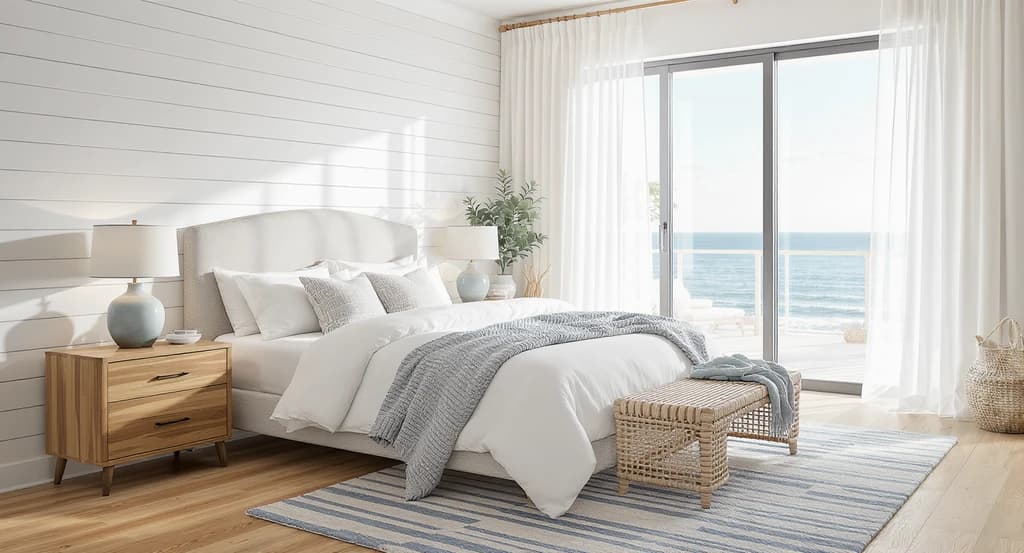
Discover modern coastal bedroom design ideas and coastal bedroom color palette inspiration. Learn how to create a serene coastal bedroom by focusing on space, light, and simplicity—avoiding the mistakes of cluttered or overly themed coastal bedroom design.
Most people struggle with coastal bedroom design because they confuse "beach-themed decor" with creating calm, open space. This happens due to a focus on individual elements, like blue walls or shell accessories, instead of the whole room’s feel. The safest way is to remove visual clutter, keep colors light and natural, and plan your layout for openness and light. A coastal bedroom feels calm and airy when you use light, neutral colors like white, beige, and soft blue, keep furniture simple and minimal, maximize natural light, and add depth with natural textures instead of extra decor. The goal isn’t to decorate for the beach, but to create space, light, and visual restfulness.
-
5 Coastal Bedroom Mistakes That Make Your Room Feel Heavy
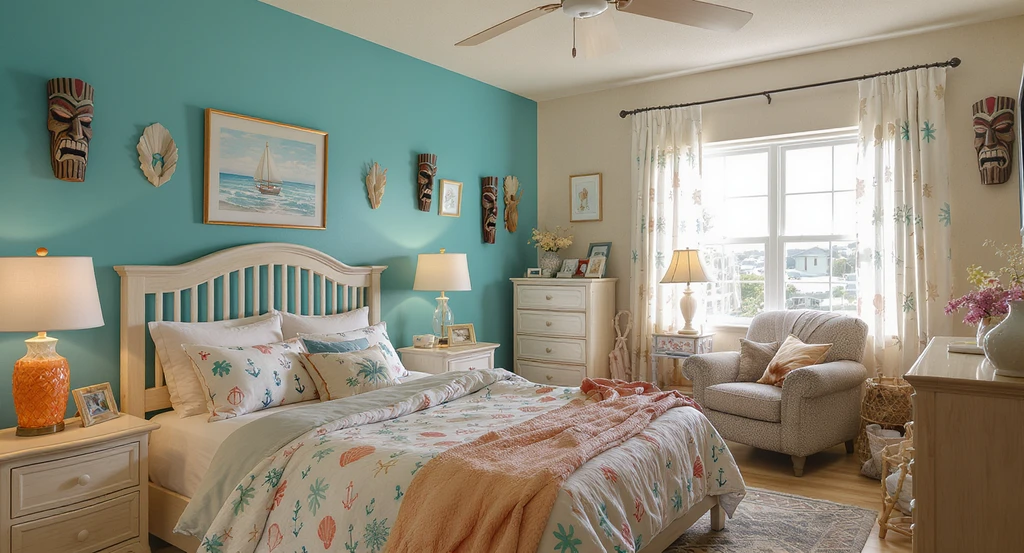
5 Coastal Bedroom Mistakes That Make Your Room Feel Heavy Image
Most coastal bedrooms fail because of simple errors, not lack of style. Here are common issues:
- Over-theming: Too many shells or nautical objects make the space feel forced, not relaxed.
- Heavy or dark furniture: These pieces block light, shrink perceived size, and break the airy feel.
- Ignoring layout: Furniture that crowds windows or walkways ruins flow and blocks natural light.
- Poor color pairing: Flat or high-contrast palettes make the room feel unsettled or busy.
- Too many small accessories: Extra items add visual clutter and reduce calmness.
Expert Insight
A client believed a coastal bedroom needed blue paint, seashell lamps, and large, dark furniture. The room felt heavy and awkward. By switching to white walls, light wood, and linen bedding, the space instantly became brighter, calmer, and more welcoming, proof that simplicity and good planning outperform themed accessories.
-
Why Coastal Bedrooms Don’t Work
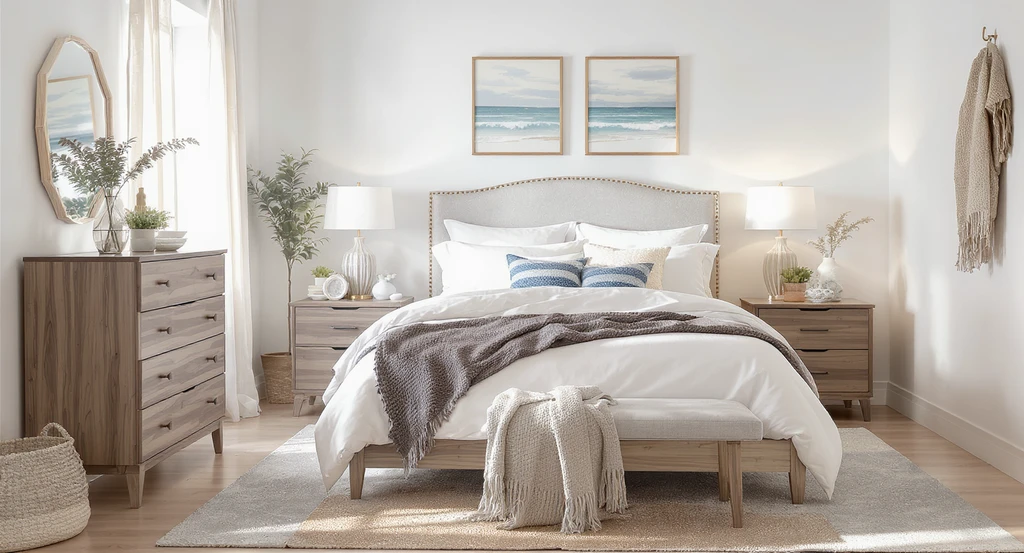
Mistakes to avoid in coastal bedroom design: clashing color palettes, poor lighting, and crowded layouts can disrupt serene coastal bedroom ideas.
Most people try to copy Pinterest ideas or beach-themed trends, expecting them to work in any room. But real-world results don't match, because design choices are made in isolation. The actual problem is that colors, lighting, and layout get decided individually, causing clashes, uneven lighting, or a crowded atmosphere. To succeed, plan the space as a whole visual system. Decide on a color palette and arrangement before adding any decorative item. Think about how light interacts with materials and how the space feels when you enter. Visualization closes the gap between imagination and execution, preventing late-stage design regret.
-
What Defines Real Coastal Bedroom Design?
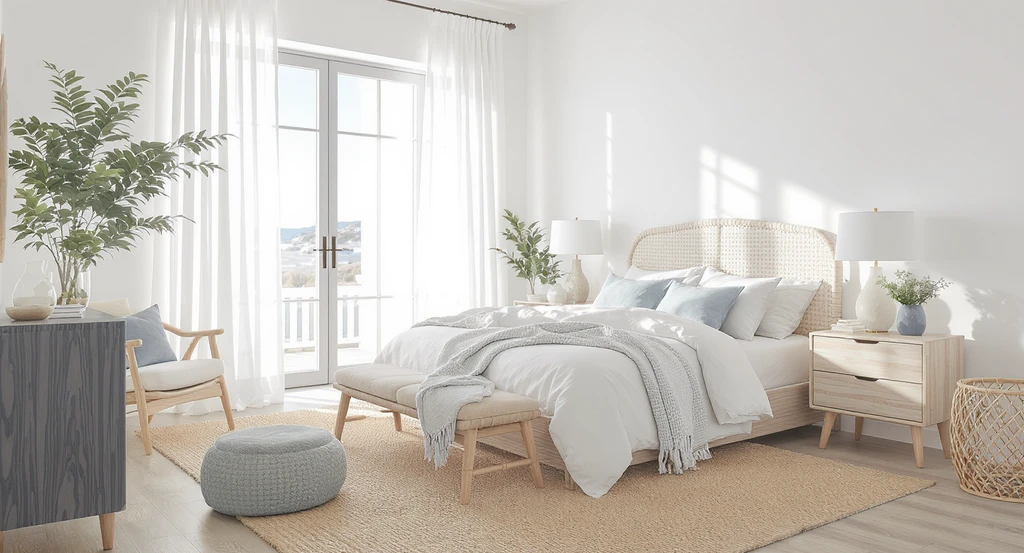
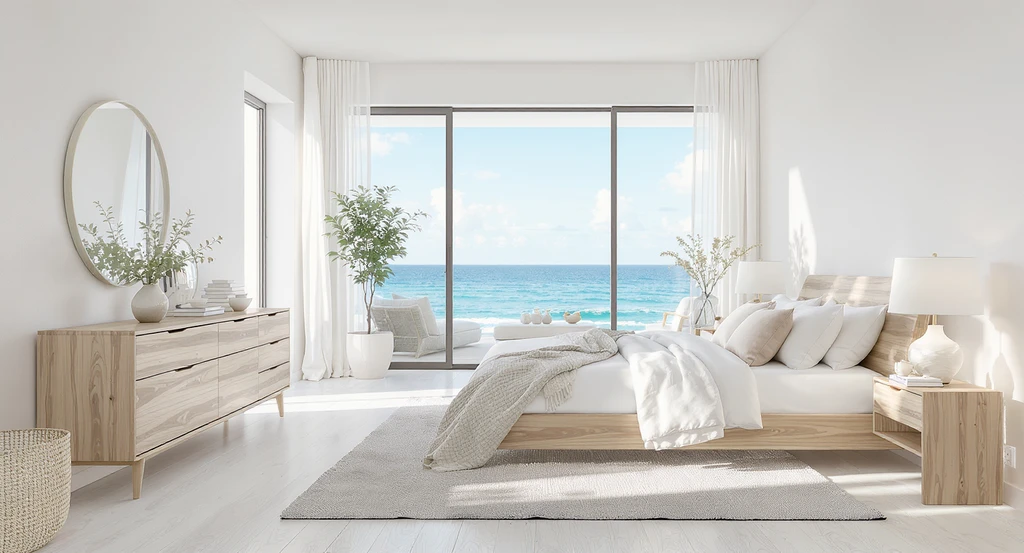
This image captures modern coastal bedroom design ideas: maximized natural light, a soft coastal bedroom color palette, and layered natural textures for a calm, inviting atmosphere. Discover how to create a serene coastal bedroom and avoid common design mistakes.
A genuine coastal bedroom is not a theme, it's a visual system built around three core principles:
- Natural light maximized: Sheer curtains, light surfaces, and no blocked windows let daylight define the atmosphere.
- Palette restraint: Stick to whites, beiges, and soft blues or greens. Avoid sharp contrasts, opt for transitions that are gentle on the eye.
- Texture over decor: Layer linen, jute, light woods, and woven details to provide warmth and interest without extra objects.
-
Psychological Reasoning: Why Simplicity Wins
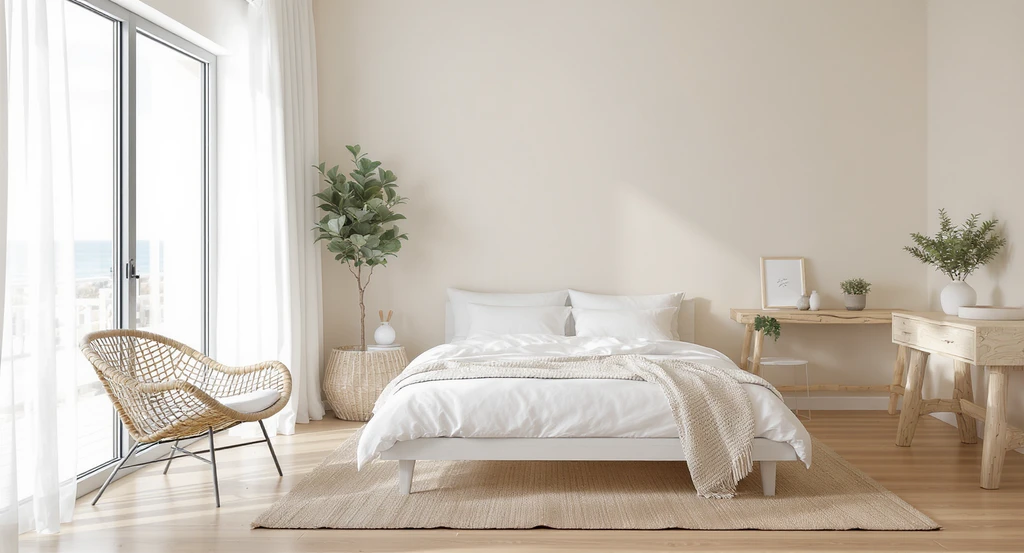
Psychological Reasoning: Why Simplicity Wins Image
Simplicity in design reduces mental effort. When furnishings and visual elements are minimal, the brain processes the space quickly, resulting in a sense of calm and spaciousness. Heavy furniture, bold contrasts, or too many objects increase visual stress, making a room feel smaller and less restful. For homeowners and listing professionals, simplicity doesn’t mean emptiness, it means every item has a clear, intentional role. Less visual noise helps buyers imagine themselves in the home, making listings more attractive and easier to sell.
-
Step-by-Step System: How to Design a Coastal Bedroom That Works
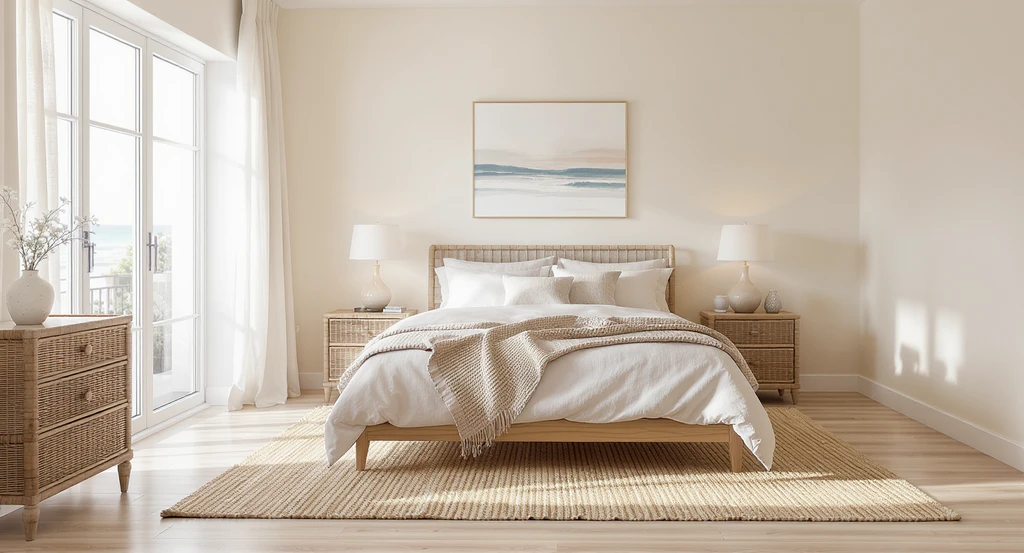
Modern coastal bedroom design ideas: Showcase soft neutrals, layered textures, a balanced color palette, clear walking paths, and thoughtful minimal accessories for a serene, airy space. See how to create a coastal bedroom that works—mistakes to avoid and proven steps included.
Follow this logical system to create a real coastal bedroom:
- Start with soft neutrals. Paint walls and main surfaces white, beige, or pale grey for a bright, open base.
- Define your color palette. Choose 2–3 colors, one base, one accent. Test combinations before you buy.
- Arrange for easy movement. Allow 24–30 inches of walking space between furniture. Never block windows.
- Layer in texture, not clutter. Add interest with linen bedding, jute/woven rugs, light wood furniture, and rattan.
- Use lighting in layers: Let in natural light during the day; at night, use soft, warm lamps and avoid harsh white light.
- Edit accessories strictly. One or two thoughtful pieces, a simple artwork or statement lamp, are enough.
- Preview your full room visually. Before buying, use a visualization tool to see layout, color, and material combinations in context. ReimagineHome | AI Interior Design Ideas & Virtual Staging lets you trial changes and catch issues before committing.
-
Coastal Bedroom vs Beach-Themed Bedroom (Crucial Distinction)
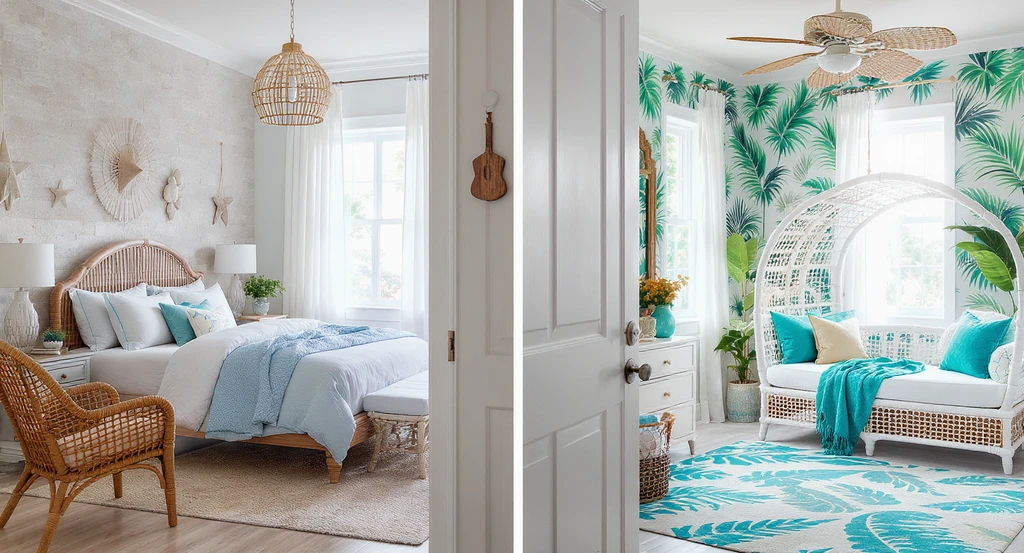
Coastal Bedroom vs Beach-Themed Bedroom (Crucial Distinction) Image
Not all coastal bedrooms are equal. Many people get stuck on the “beach theme”, but this only works for photos, not for actual living or listings. Compare them:
- Coastal: Calm, minimal, with soft, natural colors, open layouts, and textured materials.
- Beach-themed: Bright blue accents, lots of themed decor, and busy arrangements.
-
Small Coastal Bedroom Ideas That Still Feel Airy
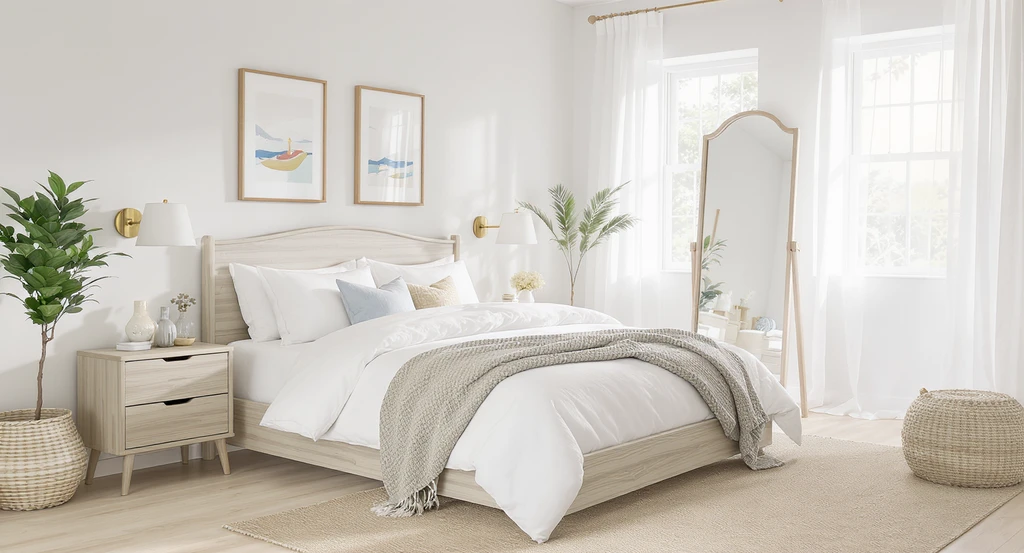
Discover modern coastal bedroom design ideas for small rooms—light colors, storage beds, wall-mounted lighting, and thoughtful mirror placement maximize a calm, airy space.
Small rooms benefit most from coastal principles. To maximize the sense of space:
- Keep colors light everywhere: Light walls, curtains, and bedding enhance openness.
- Choose multi-use furniture: Try storage beds, slim tables, or wall-mounted lights to open floor space.
- Add mirrors thoughtfully: Position mirrors opposite windows to reflect light and expand the visual field.
- Keep the floor as visible as possible: Avoid heavy rugs and clutter, more open floor means a bigger feel.
-
Budget-Friendly Coastal Bedroom Design Tips
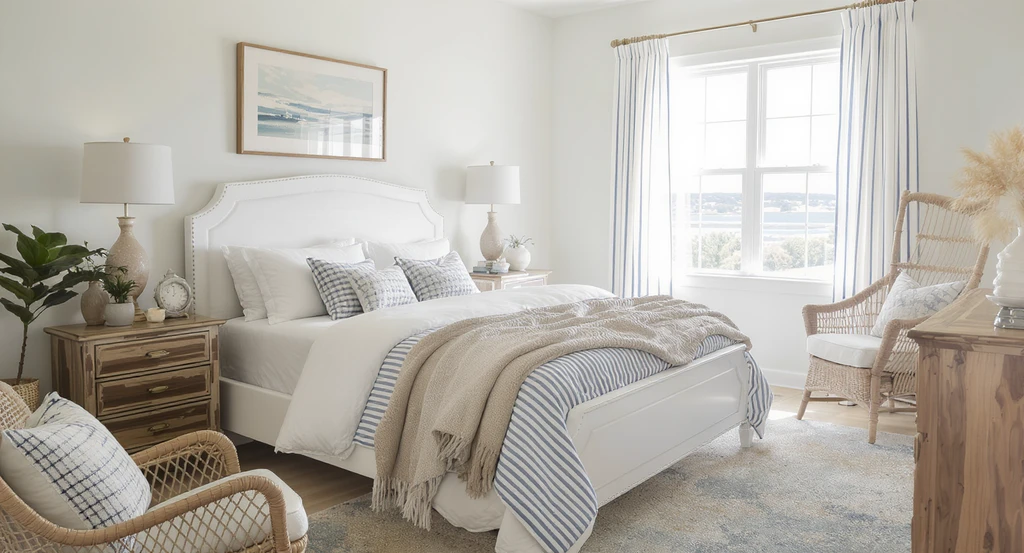
Budget-Friendly Coastal Bedroom Design Tips Image
Cost is not a barrier to an effective coastal bedroom. Most visual impact comes from choices, not spending. Focus your budget on:
- Bedding, lighting, and curtains: Invest here for maximum effect on calm and comfort.
- Repurpose what you have: Paint dark furniture in light tones, swap heavy drapes for sheers, and simplify.
- Choose natural, affordable materials: Cotton, simple woods, and jute offer texture and quality without the price tag.
-
How Visualization Prevents Costly Mistakes
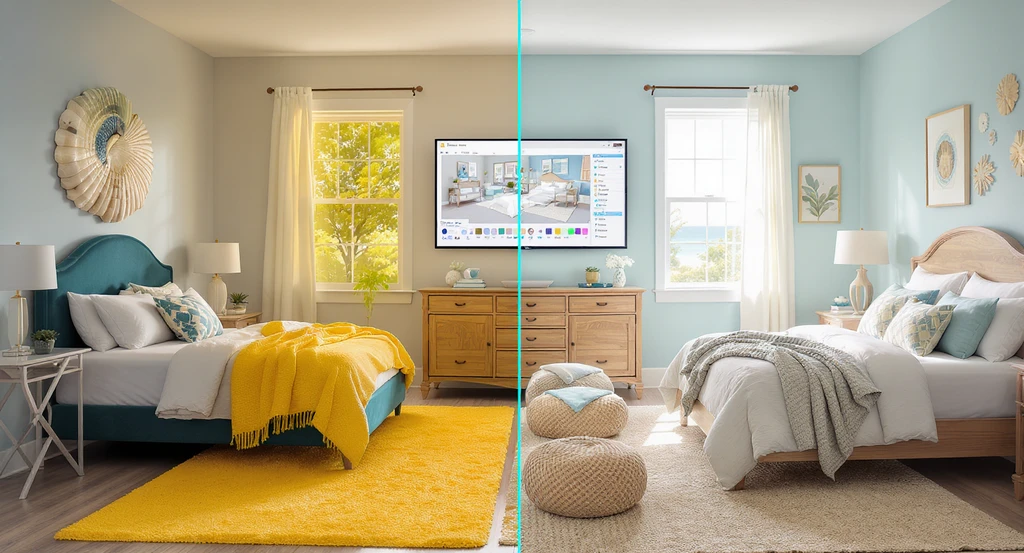
Modern coastal bedroom design ideas: Visualization tools highlight how to create a serene coastal bedroom and avoid costly palette or layout mistakes by previewing furniture, colors, and textures before deciding.
Most costly errors, such as mismatched furniture or an unbalanced palette, occur when decisions are made in isolation. Visualization tools allow you to preview how scale, color, and texture interact with natural light in your exact space. This eliminates guesswork, reduces designer's remorse, and ensures your layout and palette work together. Platforms like ReimagineHome | AI Interior Design Ideas & Virtual Staging make it easy to experiment before spending, reducing decision friction and leading to higher listing performance when the space is photographed and published.
-
From Inspiration to Execution: Turn Mood Board Into Real Room
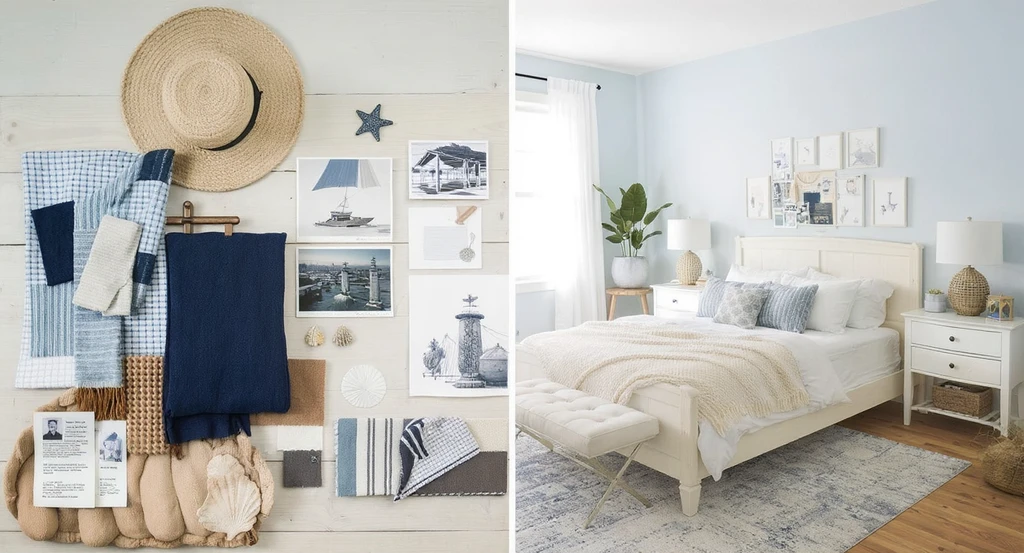
From Inspiration to Execution: Turn Mood Board Into Real Room Image
Most people stop at collecting images rather than testing actual decisions. But high-performing spaces result from step-by-step validation:
- Preview layout and color together with your own room photo.
- Test all changes before buying, adjust colors, materials, and arrangement until visual balance is achieved.
- For professionals, streamline listing media by using the Smart Media Module, AI Media Infrastructure for Real Estate to standardize and optimize media at scale.
-
Things to Check: Fix These Before You Commit
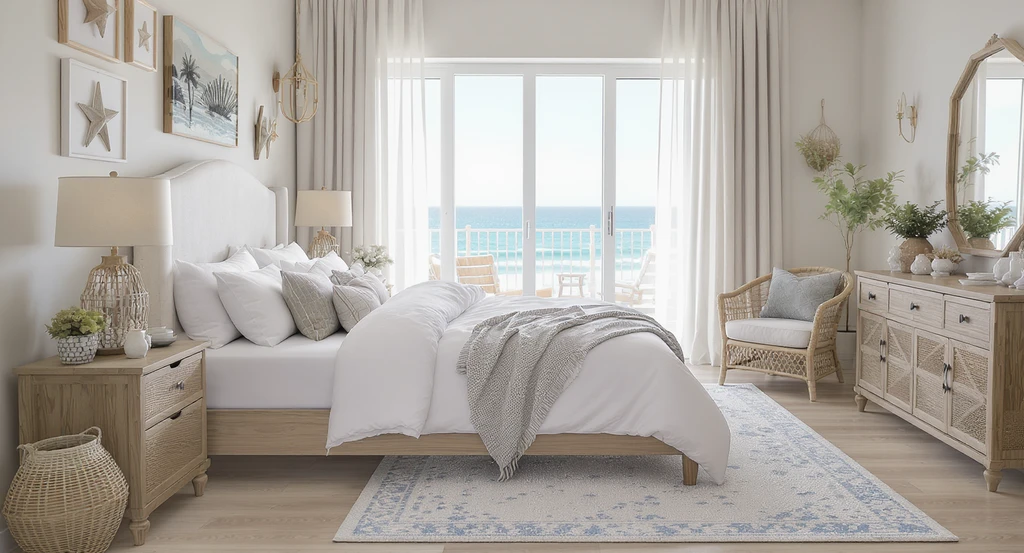
Things to Check: Fix These Before You Commit Image
Before you lock in your design, run this checklist:
- Layout: Can you move freely? Is all natural light unblocked?
- Colors: Do all tones feel calm together, not jarring or harsh?
- Lighting: Are windows uncovered, and is soft light available at night?
- Texture: Does every main surface have tactile interest without crowding?
- Purpose: Is every accessory necessary, or can something be removed?
-
Key Takeaways: Build the Coastal Room That Actually Works
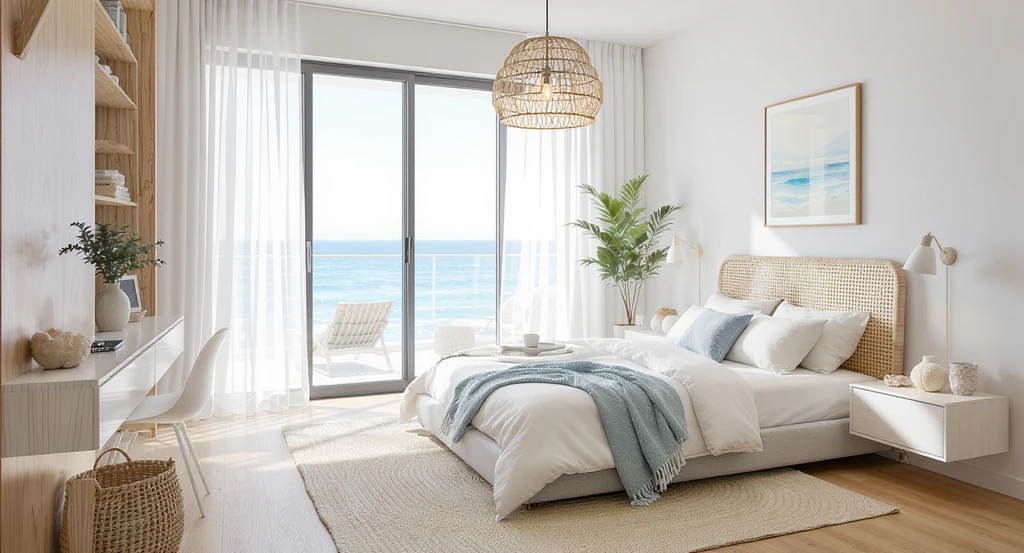
Key Takeaways: Build the Coastal Room That Actually Works Image
For a true coastal bedroom, start by maximizing natural light, setting a limited color scheme, and selecting lightweight, layered furnishings. Every design choice should make the room feel more open and calm, not busier. Always visualize your space before making changes, using tool-based previews and purposeful editing. Moving from inspiration to validated decisions ensures your bedroom feels as good as it looks, and performs better in real estate media and market outcomes.
Visualization Scenario
Imagine uploading your bedroom photo into a visualization platform, instantly toggling between furniture finishes, trying out wall colors, and layering rugs. You see in real time how each change impacts openness and balance, removing guesswork and preventing costly design errors.
Frequently Asked Questions: Coastal Bedroom Design
- What makes a bedroom truly feel coastal?
- A real coastal bedroom relies on natural light, restrained colors, light-scale furniture, and layered organic textures. Avoid themes and use thoughtful composition instead.
- Are coastal bedrooms only for large or sunny rooms?
- No. Even small bedrooms can capture a coastal feel with light tones, minimal furnishings, well-placed mirrors, and the right balance of texture and natural light.
- How do I know my room isn’t too cluttered?
- If your eye jumps from object to object, remove items until there is a clear focal point and visible open space. The room should feel easy to scan visually, not busy.
- Can I use dark wood and still achieve a coastal feel?
- Dark wood adds weight and competes with the light, airy feeling. If you must use it, surround with lots of white and soft fabrics to offset the heaviness.
- Do I need themed decor for a coastal bedroom?
- No, themed decor is not necessary. Focus on maximizing light, a simple and natural color scheme, and tactile materials. Intentional, minimal styling always wins.
Conclusion: Visual Clarity Drives Coastal Bedroom Success
A modern coastal bedroom should feel effortless, not overdone. By focusing on light, palette discipline, clear layouts, and texture, you create a calm atmosphere that’s visually strong and market-ready. Visualize first, edit intentionally, and remember: less is often more. Every decision made with the whole space in mind will be reflected in listing photos, increasing buyer appeal and improving outcomes.