TL;DR
Japandi design blends Japanese minimalism and Scandinavian comfort, focusing on removing clutter, using soft neutral colors, and keeping functional layouts. This step-by-step guide explains how simplifying your space leads to a calm home that looks better, feels more comfortable, and photographs beautifully for listings.
Why Japandi Design Works, And Why You’re Likely Overthinking It
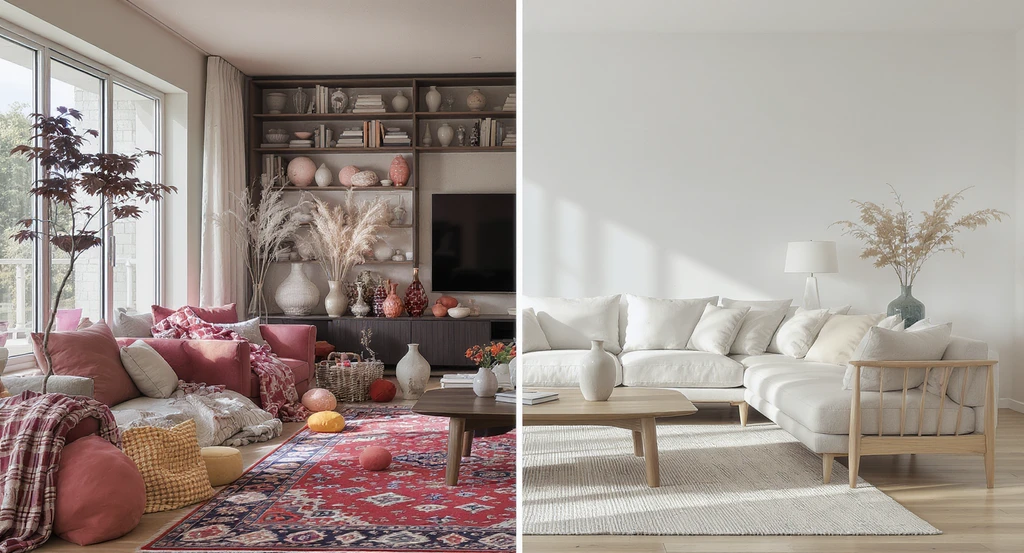
This Japandi interior design guide for homes visually contrasts cluttered vs. Japandi living room layout tips. See how to declutter for Japandi style and use natural materials to make small spaces feel bigger.
Most people struggle to create peaceful, functional homes because they try adding more to solve visual problems, more décor, more furniture, more color. This approach increases visual noise, makes the space feel crowded, and creates decision fatigue. Japandi design takes the opposite approach. By blending Japanese simplicity and Scandinavian warmth, it creates calm with fewer, better choices. Successful Japandi isn’t about trends or labels, it’s about building spaces that are truly livable, visually balanced, and easier to understand at a glance. This guide breaks down the visual and operational logic behind Japandi, step by step, so you can make clear, confident decisions before moving a single piece of furniture.
-
What is Japandi Design?
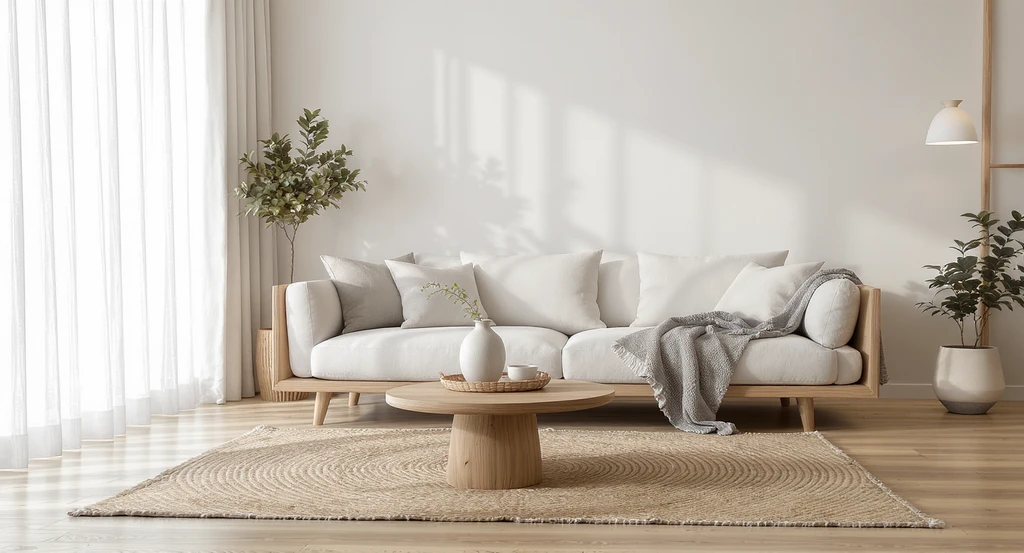
Japandi interior design guide for homes: Learn how to declutter for Japandi style with living room layout tips focusing on natural materials in Japandi decor to make small spaces feel bigger.
Japandi combines the clean lines and essentialism of Japanese interiors with the soft comfort and practicality of Scandinavian style. The result is a visual system based on:
- Minimal, purposeful furniture
- Soft neutral colors (white, beige, grey, light brown)
- Natural materials (wood, linen, cotton, ceramic)
- Open, easy-to-navigate layouts
Expert Insight
After removing a few extra items from my living room, I noticed visitors relaxed more quickly and commented on how spacious it felt, even though I hadn’t changed the floor plan. Less really did improve the mood instantly.
-
Start Here: Remove Clutter, Not Just Decor
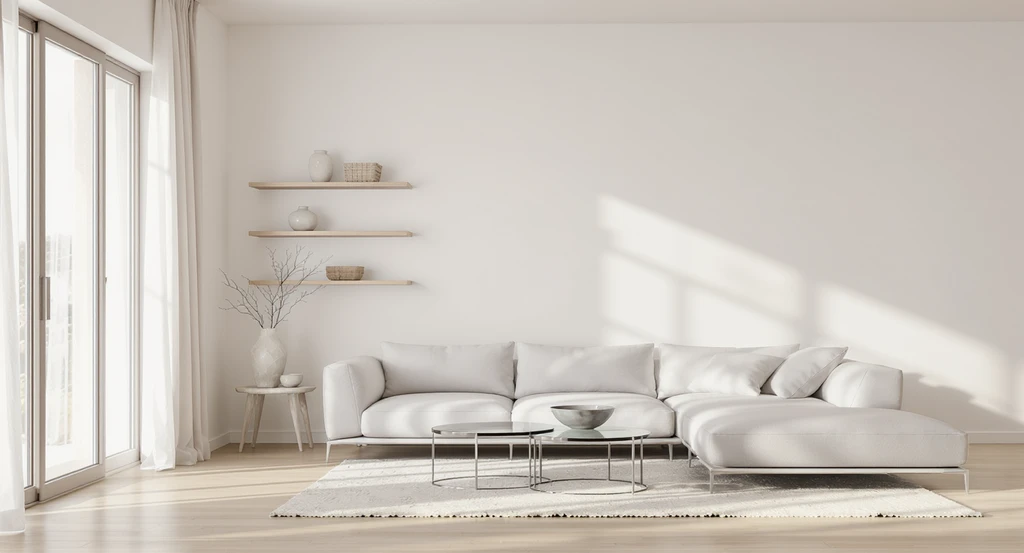
Japandi living room layout tips: Start by removing excess decor, clearing shelves, and opening up floor space to decrease visual tension—key steps in the Japandi interior design guide for homes on how to declutter for Japandi style and make small spaces feel bigger.
Most users mistakenly start with buying décor or furniture. The safest way to improve both photos and daily function is to subtract, not add. Begin by clearing at least 20–30% of visible objects, clear tables, empty shelves, and open up floor space. This reduces visual tension and allows you to analyze what actually works in your room. Visual friction drops, making both you and potential buyers more at ease. For deeper visual planning, explore ReimagineHome | AI Interior Design Ideas & Virtual Staging to simulate how less can truly become more.
-
Common Visual Mistakes in Most Homes
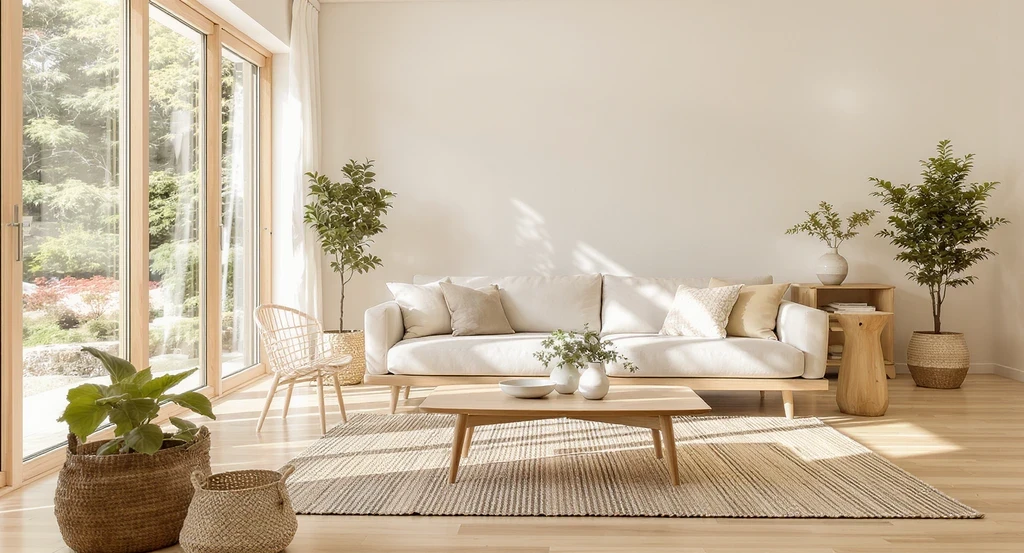
Common Visual Mistakes in Most Homes Image
Homes appear cluttered and uncomfortable when there are too many disconnected elements competing for attention. This often results from:
- Too many small objects that break visual flow
- Poor furniture sizing, large sofas in small rooms
- Lack of a focal point (nothing draws or grounds the eye)
- Mismatched or harsh colors
-
How Japandi Fixes Everyday Design Friction
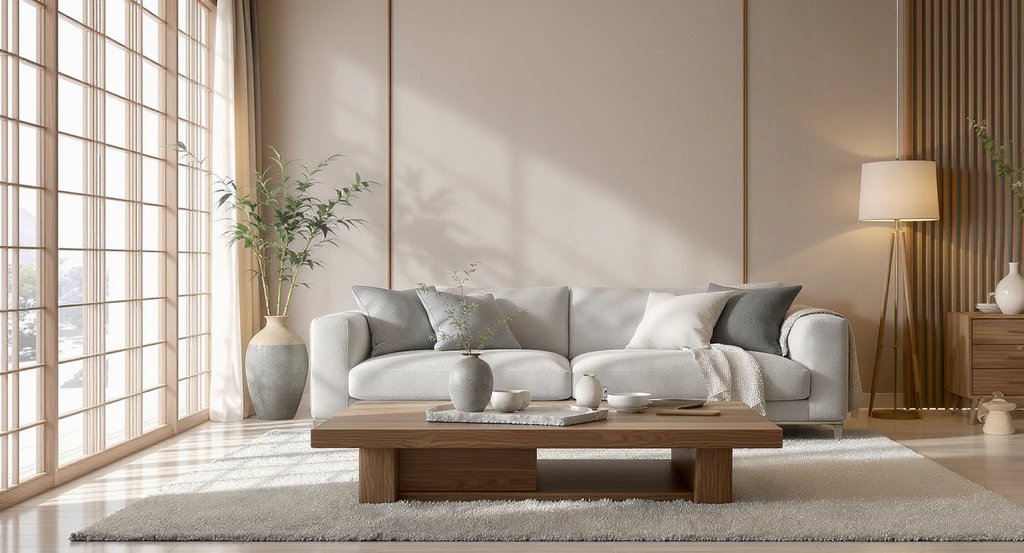
How Japandi Fixes Everyday Design Friction Image
Japandi’s effectiveness comes from clear, step-by-step logic:
- Fewer, better objects = Less mental processing needed to understand the space.
- Consistent soft colors = Visual flow, not blocks of distraction or sharp contrasts.
- Natural textures = Tactile warmth that counters the risk of a space feeling sterile.
- Open layout and proper scale = Easy movement and unbroken walking paths.
-
The Psychology of Calm: Why Visual Clarity Changes How You Feel
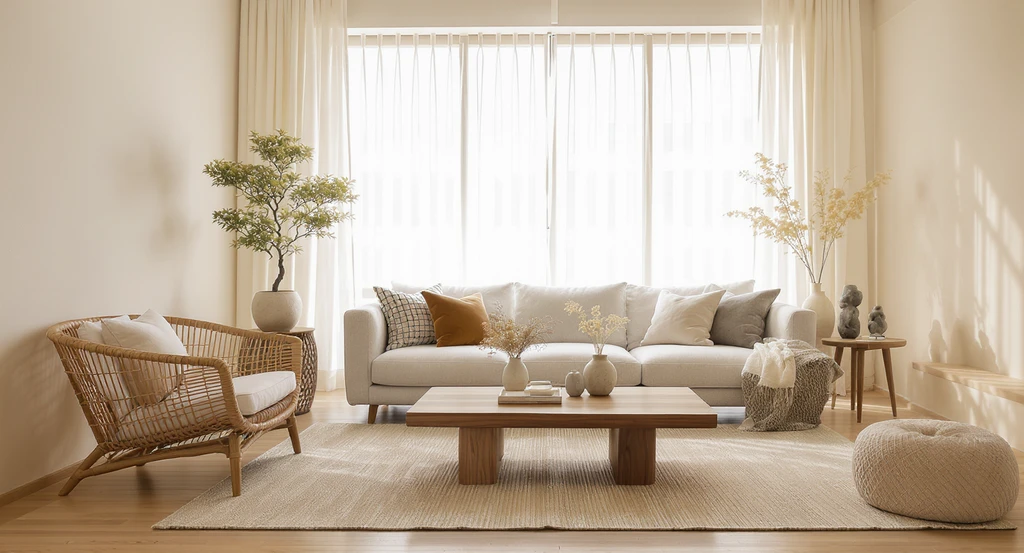
The Psychology of Calm: Why Visual Clarity Changes How You Feel Image
Visual clutter overwhelms the mind by forcing it to process too many minor details. A room full of décor, clashing objects, and poor flow triggers low-level stress and discomfort. In contrast, Japandi’s harmony makes a room feel larger, more breathable, and easier to enjoy. This visual calm translates directly into higher listing engagement and better living experiences. In every situation, from photos to daily routines, less truly is more.
-
Step-by-Step: The Practical Japandi System
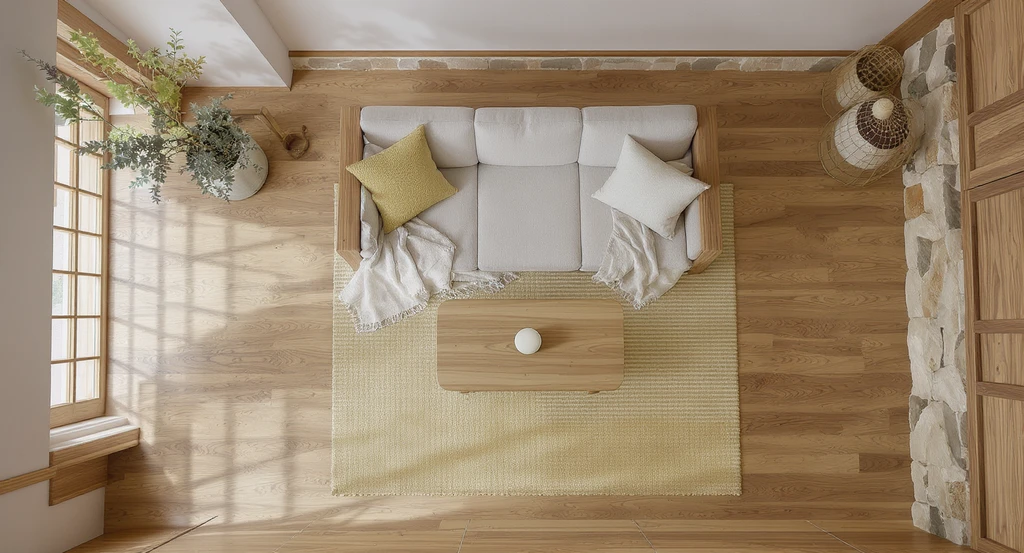
This Japandi interior design guide for homes illustrates how to declutter for Japandi style using essential furniture, natural materials, and smart living room layout tips to make small spaces feel bigger.
To convert theory into practice, follow this six-step method:
- Declutter Surfaces and Floors: Remove extra items everywhere. If unsure, take everything off and only return what is truly essential.
- Analyze Traffic Patterns: Map out clear walking paths. Rearrange furniture so nothing blocks entryways or movement lines.
- Limit Furniture to the Essentials: Keep only what you use daily—a bed or sofa, one side table, storage that fits unobtrusively.
- Switch to Natural Materials: Integrate wood, linen, and stone for functional items. Avoid synthetic or overly shiny finishes.
- Layer Lighting: Use multiple light sources, natural where possible, plus warm floor/table lamps.
- Add a Clear Focal Feature: Choose one object (a statement chair, piece of art, or lighting) as the eye’s destination.
-
Most Common Japandi Mistakes, And Quick Fixes
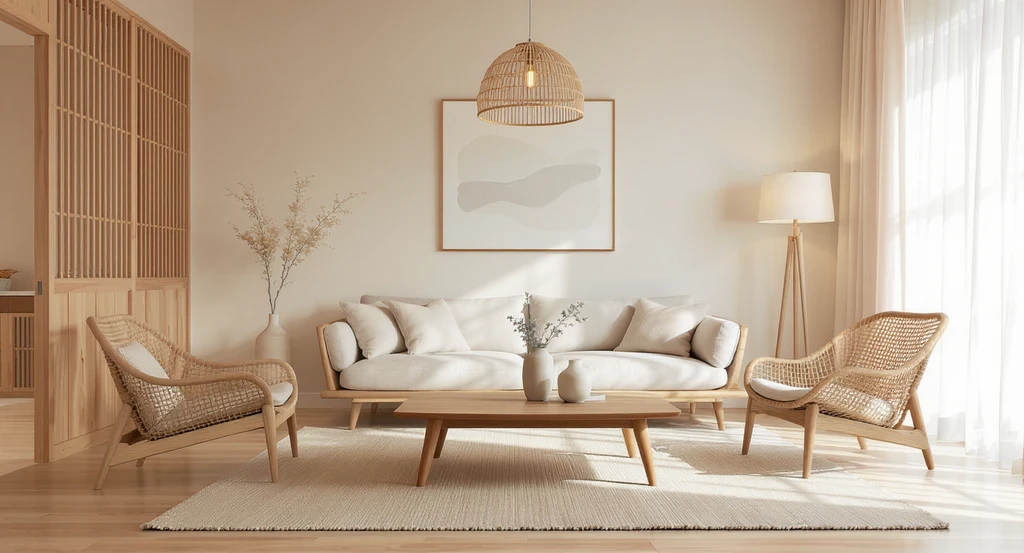
Most Common Japandi Mistakes, And Quick Fixes Image
Many users overcorrect by going too sparse or sticking to one tone. Address these pitfalls with direct corrections:
- Room feels cold or empty → Add soft textiles (rugs, throws) for warmth
- Space looks flat → Use several shades of neutrals or muted color accents
- Lighting feels harsh → Add diffused light, avoid overhead-only solutions
- Furniture mismatch in scale → Measure and select pieces that leave breathing room
- No focal point → Pick one anchor object to direct attention
-
Why Japandi Is a Listing Powerhouse
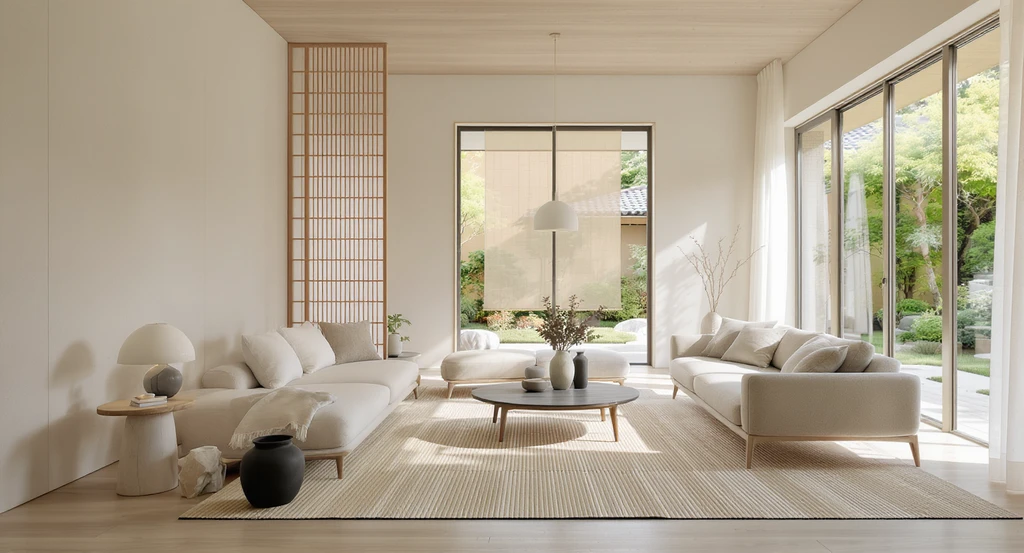
Why Japandi Is a Listing Powerhouse Image
For realtors, designers, and sellers, Japandi’s real strength is maximized listing appeal:
- Photos look cleaner: Fewer distractions improve buyer focus and room clarity.
- Spaces seem larger: Open layouts and soft lighting exaggerate perceived size.
- Layouts are intuitive: Prospective buyers grasp room flow instantly.
- Listings perform better: Calm, simple visuals drive more engagement and faster sales.
-
Visualization: See Before You Spend
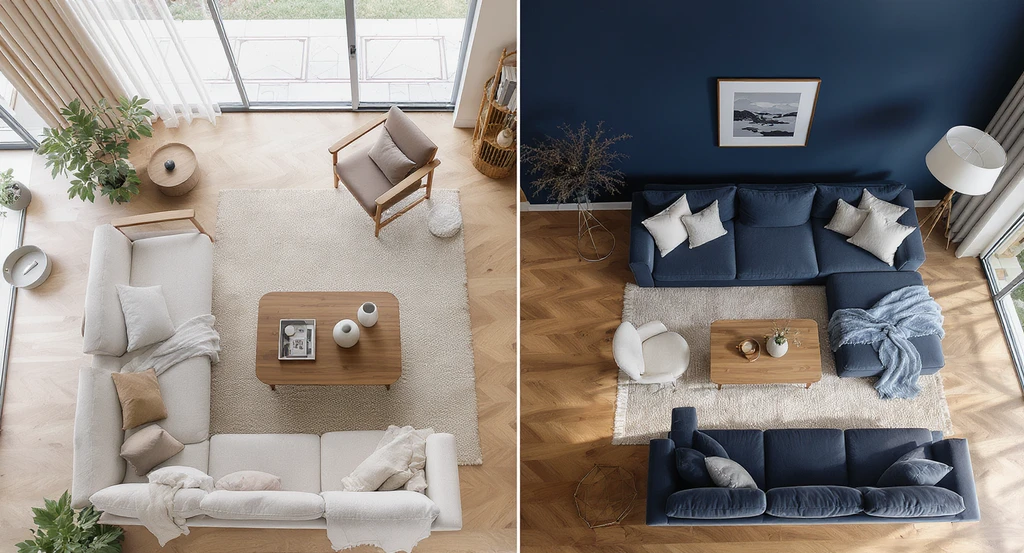
Preview Japandi living room layout tips: See two decluttered arrangements side-by-side, using natural materials and design choices from our Japandi interior design guide for homes.
One major pain point: Most people can’t clearly picture outcomes before making changes, leading to costly mistakes and regret. Visualization platforms allow you to test layouts, colors, and textures virtually. By previewing adjustments before moving anything, you remove decision friction and make informed, risk-free choices. ReimagineHome is purpose-built for this type of clear, iterative home planning.
-
If You Only Make Three Changes, Prioritize These
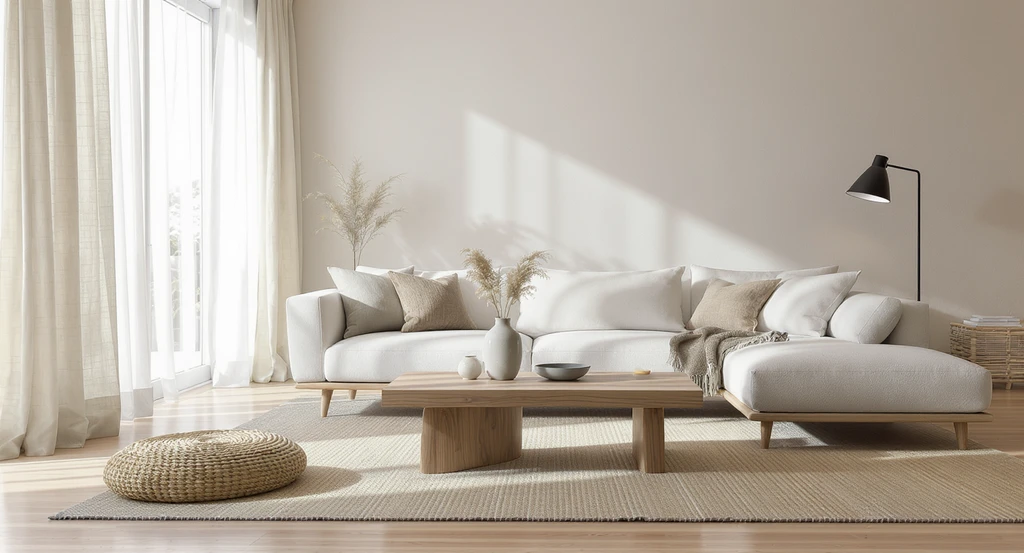
If You Only Make Three Changes, Prioritize These Image
If your time or budget is limited, focus energy here first:
- Eliminate at least 30% of visible clutter, start with surfaces.
- Edit furniture down to basic, functional pieces.
- Install at least two light sources per room, favoring warm, soft light over single harsh bulbs.
-
Optimize Your Japandi Flow, With Expert Support if Needed
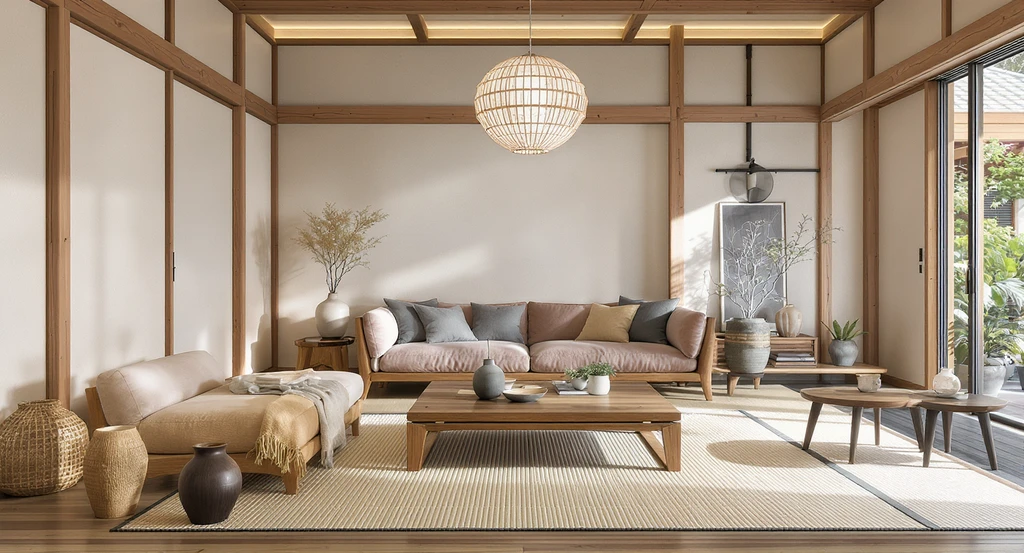
Optimize Your Japandi Flow, With Expert Support if Needed Image
Complex layouts, color correction, and listing prep can require specialized guidance. For projects needing a professional touch, the Expert Services, Professional Listing Media by Real People team can help you visualize, stage, and publish better, faster. Remember: Start simple, check scale and flow before adding complexity, and use visualization as your validation layer.
Visualization Scenario
Picture your living room with only your favorite, essential items: natural wood finishes, uncluttered surfaces, soft, diffused light, and one piece of art or design anchoring the space. There’s room to breathe, nothing blocking your path, and you can see every part of the floor at a glance. That is Japandi in practice.
Japandi Design FAQ—Clarity for Every Stage
- What is Japandi interior design?
- Japandi is a blend of Japanese and Scandinavian design, focusing on minimal decor, neutral colors, and natural materials to create calming spaces that are both practical and visually clear.
- Is Japandi suitable for small homes and apartments?
- Yes. Japandi cuts clutter and utilizes every square foot efficiently, making small areas feel larger, cleaner, and easier to use while improving photo appeal for listings.
- How do I avoid making Japandi feel cold or empty?
- Warmth comes from layered textures like wood, cotton, and soft lighting. A key piece—like a rug or focal chair—can add comfort and visual interest without causing clutter.
- Will Japandi design increase my property value or listing success?
- Yes. Clean, easy-to-understand photos, layouts, and finishes are proven to drive better marketing performance and increase buyer interest in every type of listing.
- How can I plan a Japandi redesign before moving furniture?
- Use visualization platforms to try different layouts, materials, and lighting before touching anything. This reduces costly mistakes and improves both comfort and listing media.
Conclusion: Simplicity First, Always
You do not need more things. Every design solution should begin by subtracting. Japandi delivers proven results by optimizing what you keep, not what you buy. Visual calm is both a daily asset and a critical listing advantage. The safest way to elevate any space is with clarity, scale, and function in mind.