.jpeg&w=96&q=75)
TL;DR
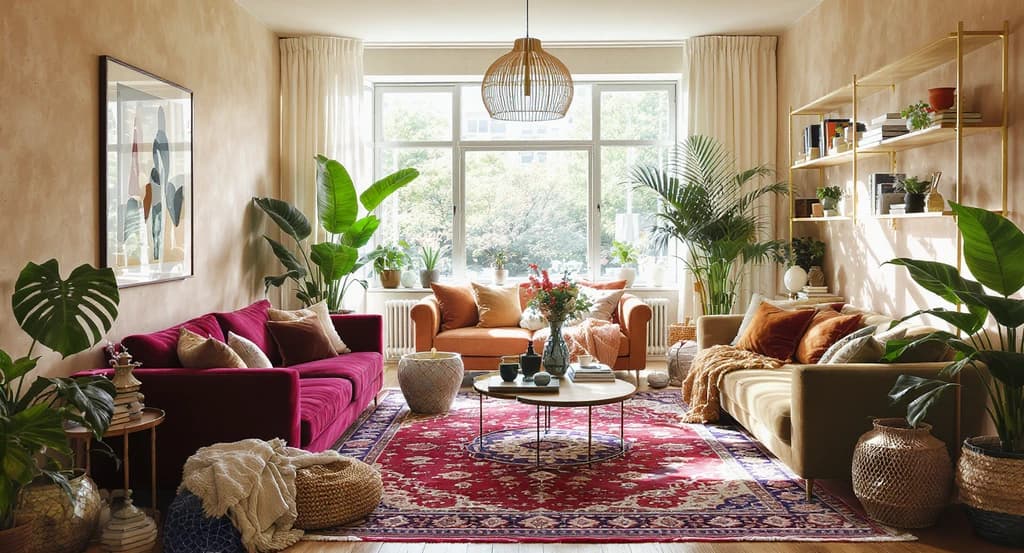
Interior design in 2026 is all about intentional choices—meaningful maximalism, sustainability as the new normal, functional beauty, and storytelling through décor. This guide shows you the top trends to decisively prioritize, explains common mistakes, and offers a decision framework so you can design a home that truly feels like you.
Why 2026’s Interior Design Trends Are a Decision Game—Not a Style Race
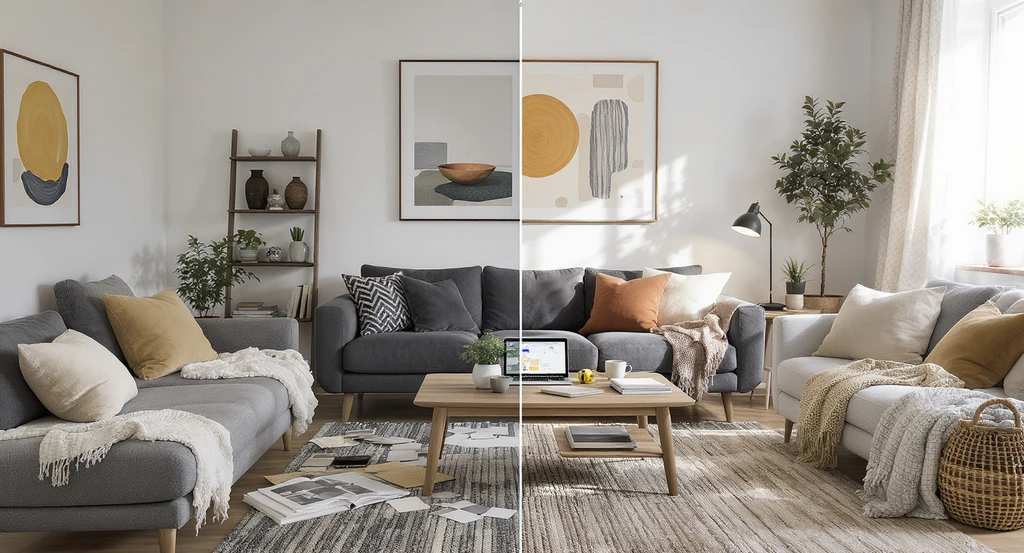
A real-world living room demonstrates how 2026 interior design trends prioritize meaningful maximalism, slow decorating, and unique vintage furniture for lasting impact.
You feel stuck: trend roundups leave you more overwhelmed, your space never looks as good as the inspiration, and every year brings a new set of rules. The confusion is real: should you chase the next big trend, embrace that loud color, or stick to what feels safe? Most homeowners (and even pros) get it wrong—choosing looks over what lasts, copying instead of customizing, and losing sight of what actually matters. Direct Answer The best approach for 2026 is to focus on three things: 1. Prioritize trends rooted in personal meaning and function—not just looks. 2. Embrace sustainability, quality, and storytelling over disposable décor. 3. Use visualization tools to see how choices feel before you commit. This list helps you cut through noise, avoid costly missteps, and create a home that feels right for *you*. Ignore this and you risk wasting money, creating a space that doesn't age well, and missing the emotional impact your home could deliver.
-
8 Interior Design Trends Defining 2026 (Quick List)
- Meaningful Maximalism—Curate, don’t clutter
- Sustainability as Standard—Choose longevity and quality
- Function-First Design—Never style over utility
- Slow Decorating—Embrace the collected-over-time look
- Textiles and Tapestries—Storytelling through texture
- Artisan Craft & Imperfection—Celebrate the handmade
- Rich Colors, Sculptural Lighting—Atmosphere matters
- Intentional Mixing—Contrast old/new, materials, and moods
Expert Insight
An apartment dweller once rushed to copy a viral living room look—only to tire of it within months and pay twice for a redesign. When she slowed down and layered finds from family and travel, the result wasn’t just stylish—it was uniquely hers, and friends never stopped asking about it.
-
Why This Matters
Your interior design decisions in 2026 will determine whether your space feels genuinely personal, welcoming, and emotionally resonant—or simply another sterile Instagram imitation. Make the wrong call, and you’ll face regret and costly redos. But get it right, and you set yourself up for comfort, value, and lasting satisfaction. As seen in leading forecasters, the stakes are no longer just about aesthetics; they’re about the stories your home tells and the atmosphere it creates for everyone who enters.
-
What These Interior Design Trends Actually Mean
- Maximalism: A design approach that layers personal collections, art, and bold color to create a rich, lived-in space. In 2026, it focuses on meaning and intention—not just visual abundance (see our interior design trends 2026 guide).
- Sustainable Design: A method of choosing materials, furniture, and processes that prioritize durability, reuse, and environmental responsibility as a default—not an afterthought.
- Storytelling Décor: A style of designing spaces that reflect personal identity and memory through textures, heirlooms, and meaningful objects—rather than purely aesthetic choices.
-
Why Most People Get This Wrong
Most people fail because they chase what’s ‘in’ instead of what endures. There’s a temptation to shop quick, copy looks online, and ignore how a home truly feels to live in. The confusion comes from too many trends, changing color palettes, and the lure of cheap, fast décor. According to our 2025 trends report, a major mistake is making decisions based on Instagram popularity—not real-life needs or atmosphere.
-
Main List
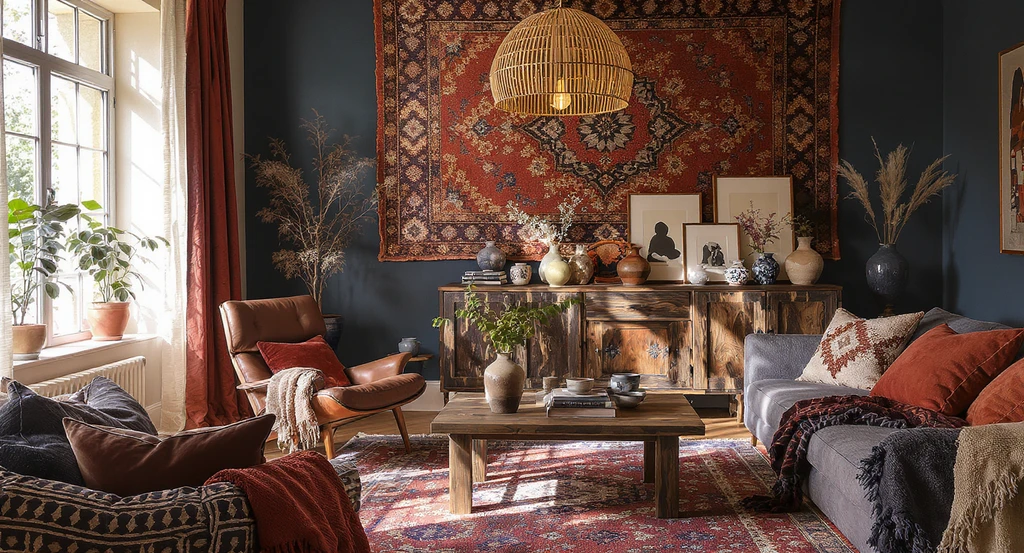
Explore top interior design trends for 2026 homes—maximalism tips for creating meaningful spaces, using vintage furniture, and embracing a slow decorating approach for unique, curated interiors.
1. Meaningful Maximalism
Problem: Overdecorating without purpose leads to clutter, not character.
Why it happens: People confuse maximalism with adding more; the lack of a curatorial approach results in busy, overwhelming spaces.
What to do: Curate objects, art, and textiles with personal or historical meaning. Layer pieces gradually and edit regularly—each item should have a story or reason for staying.
What happens if ignored: Spaces feel chaotic, impersonal, and fail to impress—quickly becoming dated and hard to live in.
2. Sustainability as Standard
Problem: Fast furniture and fleeting decor trends create waste and lead to disappointment.
Why it happens: Cheap options and marketing make it seem easy to refresh on a whim, but quality and conscience are lost.
What to do: Choose pieces made to last: vintage, reclaimed, or certified-sustainable furnishings. Invest in quality, upcycle, or thrift decorative pieces.
What happens if ignored: Higher costs and more waste over time, plus a home that lacks depth and authenticity. As explored in our 2026 trends roundup.
3. Function-First Design
Problem: Spaces look great but are hard to use.
Why it happens: Design is chosen for photos, not for real-life routines or needs.
What to do: Define how you actually live—build in storage, choose washable materials, and multipurpose furnishings. Utility and comfort come first.
What happens if ignored: Frustration, quick wear, and redo expenses become inevitable. Learn about the impact in our decision-oriented living room guide.
4. Slow Decorating (Collected-Over-Time)
Problem: Spaces look staged—never lived-in or authentic.
Why it happens: Rushing for a ‘finished’ look leads to generic or soulless interiors.
What to do: Build your space gradually. Let pieces accumulate through travels, gifts, and meaningful purchases. Layer, pause, reflect, and style for atmosphere, not speed.
What happens if ignored: Rooms lack depth, feel empty, and you’re left wanting to start over in a year.
5. Textiles and Tapestries as Narrative
Problem: Walls feel flat and lifeless; rooms lack warmth.
Why it happens: Overreliance on prints and art; reluctance to use fabric beyond upholstery.
What to do: Incorporate woven wall hangings, tapestries, and fabric panels. Opt for pieces that tell a personal or cultural story—for sound absorption, warmth, and personality.
What happens if ignored: Missed opportunity for texture, acoustics, and individual flair.
6. Artisan Craft & Embracing Imperfection
Problem: Spaces feel sterile and impersonal; everything looks too polished.
Why it happens: Mass-produced décor, standardized finishes.
What to do: Seek out handmade ceramics, expressive paintwork, imperfect surfaces. Integrate pieces with signs of the human hand.
What happens if ignored: No depth, no story, and your home easily blends into the crowd.
7. Rich Colors, Sculptural Lighting
Problem: Rooms are visually flat or too ‘safe’.
Why it happens: Fear of bold color or unconventional fixtures; defaulting to beige or gray.
What to do: Use rich blues, browns, reds—paired thoughtfully for mood. Choose lighting that doubles as sculpture—think layered, expressive pendants or lamps.
What happens if ignored: Dull, uninspiring atmospheres and missed ‘wow’ moments.
8. Intentional Mixing for Contrast
Problem: Interiors look ‘matchy’ or generic.
Why it happens: Fear of clashing or breaking ‘rules.’
What to do: Blend different eras, materials, and moods. Combine vintage with new, rough with refined, luxury with simplicity. Trust contrasts to create personality.
What happens if ignored: Your space ends up forgettable, missing the edge and nuance seen in the most memorable homes.
-
Trends to Avoid / What’s Changing
- Fast furniture and disposable décor—unsustainable and outdated by 2026
- Copycat minimalism and sterile ‘showroom’ styles—lack soul and authenticity
- Matte-only finishes—gloss, texture, and patina are on the rise
- Bland neutrals without contrast—rich color is back
- Overly staged, impersonal living spaces—welcome lived-in, crafted, and layered looks (see: 2026 trend analysis)
- Neglecting utility and comfort for ambition—both matter equally now
-
How These Trends Improve Home Value, Buyer Interest, and Daily Living
Homes that align with these design principles don’t just look better—they perform better across comfort, usability, and resale value. In real estate, spaces that show visible texture, thoughtful layering, and intentional contrast tend to stand out in listing photos. This increases buyer engagement, improves first impressions, and can directly impact perceived value. At a personal level, better design decisions reduce costly mistakes. When you prioritize quality, function, and meaning over impulse purchases, you avoid frequent rework, spend more efficiently, and create a space that feels right faster. Today’s buyers and homeowners are shifting toward homes that feel curated, timeless, and emotionally resonant—not just styled for trends. This shift is reflected in our 2025–2026 trend deep dives, where long-term livability consistently outperforms short-term aesthetics.
-
The Hidden Layer: Visualization Gap
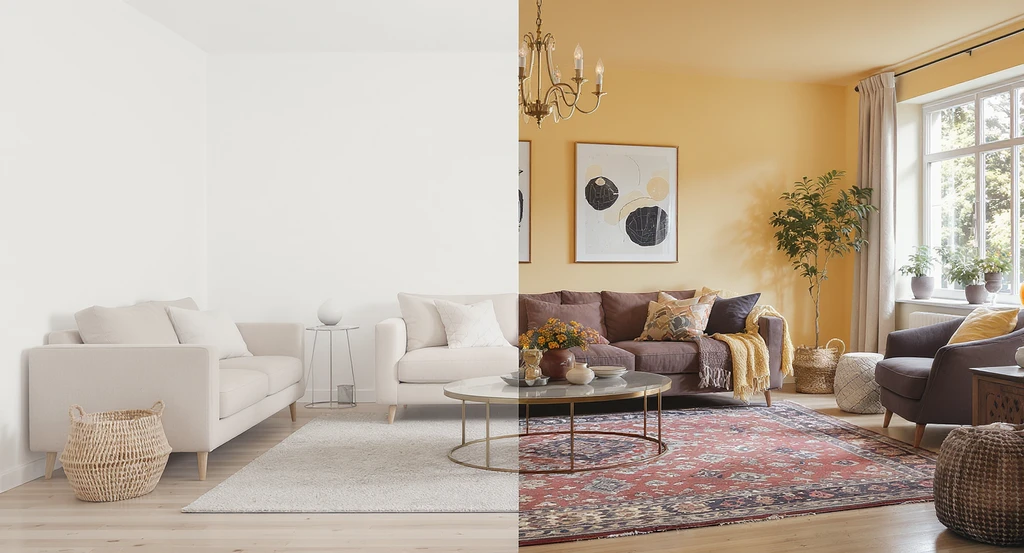
Visualizing interior design trends for 2026 homes, this image reveals how digital staging helps bridge the gap, turning blank spaces into meaningful, vibrant interiors with maximalism tips and vintage furniture choices.
People stall because they can’t picture how layers, color, and objects combine in real life. They default to safe choices—then feel let down. The mental image rarely matches reality without support. Digital renderings or virtual staging make differences tangible—bridging the gap from idea to lived experience. According to our expert insights, seeing options first improves commitment and decision satisfaction dramatically.
-
How to Decide What Actually Works for Your Home
Before committing to any major design decision, run it through this simple checklist:
- If it feels generic: Pause. Add something personal—art, photographs, heirlooms, or objects that reflect your story.
- If it’s mass-produced: Ask if a vintage, handmade, or more meaningful alternative exists. This often adds character and longevity.
- If you’re copying a trend: Step back. Does it actually support your lifestyle, comfort, and daily routines—or just look good online?
- If you can’t clearly visualize it: Don’t buy yet. Use a mockup or visualization tool to test how it will look and fit in your actual space.
- If a color or material feels risky: Start small. Test it through a cushion, lamp, or accent before committing at scale.
-
How Visualization Solves This
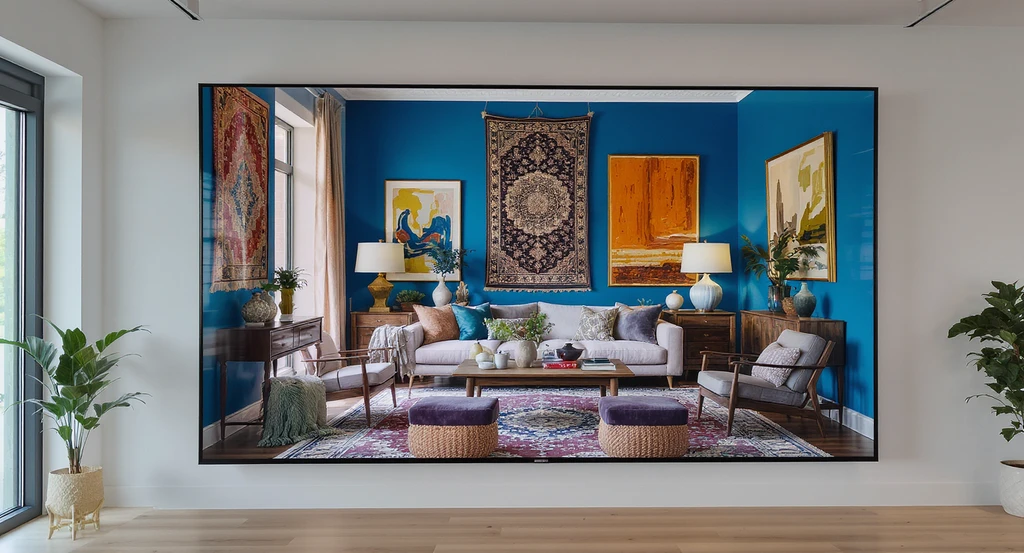
See how real-time visualization empowers 2026 interior design trends—previewing a maximalist living room with heirlooms, vintage accents, eco-wood, and expert clutter management for more meaningful living spaces.
Problem: Unsure if a maximalist, color-rich living room will overwhelm or inspire.
Tool: Render the space virtually with layered artwork, bold blues, tapestries, and custom lighting.
Transformation: You see the energy—plus how heirlooms, eco-wood, and sculptural lamps interact. Suddenly, you spot clutter risk or awkward color clashes before you commit—so you make design changes in the digital realm (not costly reality). Learn more: Styldod home visualization and ReimagineHome decision tools. -
Not Every Home Is the Same—Here’s What Actually Works for Yours
Here’s how these design principles translate across different real-life situations:
- Small Homes: Focus on multi-functional pieces, vertical storage, and layered textiles. This adds warmth and personality without sacrificing space or circulation.
- Renters: Use non-permanent solutions like removable decals, tapestries, peel-and-stick finishes, and thrifted or modular pieces to personalize your space without risking your deposit.
- Resale: Homes that balance character with restraint tend to perform better. Instead of all-beige staging, use subtle color, texture, and thoughtful styling to create emotional connection and stronger buyer engagement.
-
Styldod Perspective
Styldod’s approach revolves around:
Decision Layer: Helping homeowners see choices and their impact via visualization.
Performance Layer: Using data and expert insight to highlight what resonates in the market.
Operations Layer: Delivering tools that seamlessly move you from uncertainty (what works?) to outcome (design you love, value sustained).
Our resources emphasize clarity, so design decisions are anchored in how spaces feel, function, and last. -
Common Mistakes
- Blindly copying trends without context
- Prioritizing looks over longevity or comfort
- Neglecting to visualize (physically or digitally) before acting
- Forgetting to layer texture, narrative, and contrast
- Overlooking the need for functional, flexible furnishings
- Dismissing the impact of color and lighting
- Ignoring market preferences for authenticity and quality
-
FAQ
Q1: What’s the most important interior trend for 2026?
Story-driven, sustainable, and function-forward design are key.
Q2: Are tapestries and textiles really making a comeback?
Yes—textiles add narrative, warmth, and sound absorption; focus on personal or artisanal pieces.
Q3: Should I avoid minimalist looks now?
Complete avoidance isn't required, but 2026 is about richer textures, color, and meaning—not sterile minimalism.
Q4: How can I check if a new trend fits my space?
Use visualization tools or virtual staging to preview—and always start small when testing bold ideas.
Q5: What color palettes are trending now?
Deep blues, rich browns, earthy oranges, and sun-soaked neutrals lead the way (explore our trend report).
Q6: Where can I find more inspiration or resources?
Our in-depth guides on 2025 and 2026 design trends dive deeper.
Visualization Scenario
Imagine previewing your new bedroom with layered textiles, tapestry art, sculptural lighting, and bold color—all before moving a single piece. Virtual visualization lets you spot clutter or mismatched color instantly, so you tweak stress-free and love the outcome—no regrets, no waste.
Interior Design Trends 2026: Frequently Asked Questions
Avoid fast furniture, copycat minimalism, and choosing style over comfort.
Q2: How do I tell if a trend is ‘for me’?
Start with your routines, needs, and visual preferences—then use visualization tools to preview before investing.
Q3: Is buying vintage or artisan worth it?
Yes—quality, story, and sustainability are more valued and resale-friendly in today’s market.
Q4: How do I keep my home looking fresh but timeless?
Layer new with old, use rich textures, and choose adaptable, well-made pieces.
Q5: Do I need to hire a designer, or can I DIY?
DIY is easier with visualization tools, but complex spaces still benefit from expert guidance.
Clarity Beats Confusion: Design Decisions That Last Beyond Trends
The smartest design in 2026 isn’t trendy for trend’s sake—it’s deeply intentional, functional, and tells your story. Cut through clutter with visualization, choose pieces that matter, and always weigh both atmosphere and utility. With a decisive, purpose-driven approach, your home (and your decisions) will pay off for years to come—emotionally, visually, and financially. Learn more in our full analysis of 2026 interior design trends and 2025 previews.
.jpeg&w=256&q=75)


