TL;DR
Most renovation mistakes happen because the final result isn’t clear until it’s too late. Visualization tools let you preview layouts, materials, and lighting before any work starts, avoiding costly corrections, reducing uncertainty, and giving you confidence in every decision.
Why Renovation Decisions Are So Difficult Without Visualization
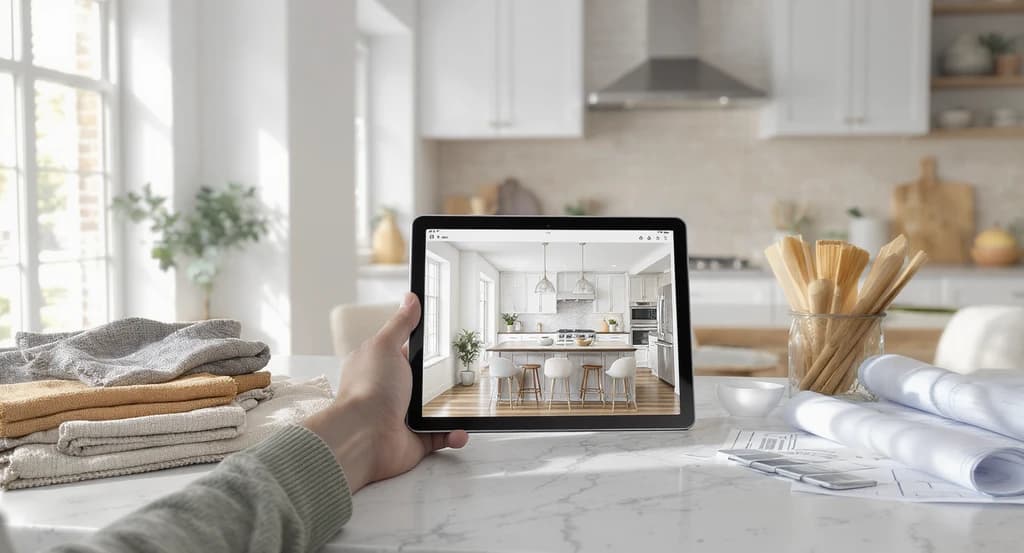
Bridging the visualization gap in home renovation: Digital 3D previews offer clarity, reduce mistakes, and improve renovation outcomes by turning uncertain decisions into confident plans.
Visualization tools make home renovation less stressful because they help you see your decisions clearly before you start. When you can preview layouts, materials, and lighting, it’s easier to choose what works and avoid mistakes. Most renovation stress doesn’t come from bad ideas, it comes from not being able to picture the final result. Floor plans, samples, and mood boards only show parts of the picture, so people end up making decisions without fully understanding how everything will come together. This often leads to regret, changes, and delays. In simple terms, most renovation problems happen because decisions are made too late. Visualization tools help you plan everything in advance, so you can move forward with confidence and avoid costly fixes later.
-
The Visualization Gap: Why Renovations Go Wrong

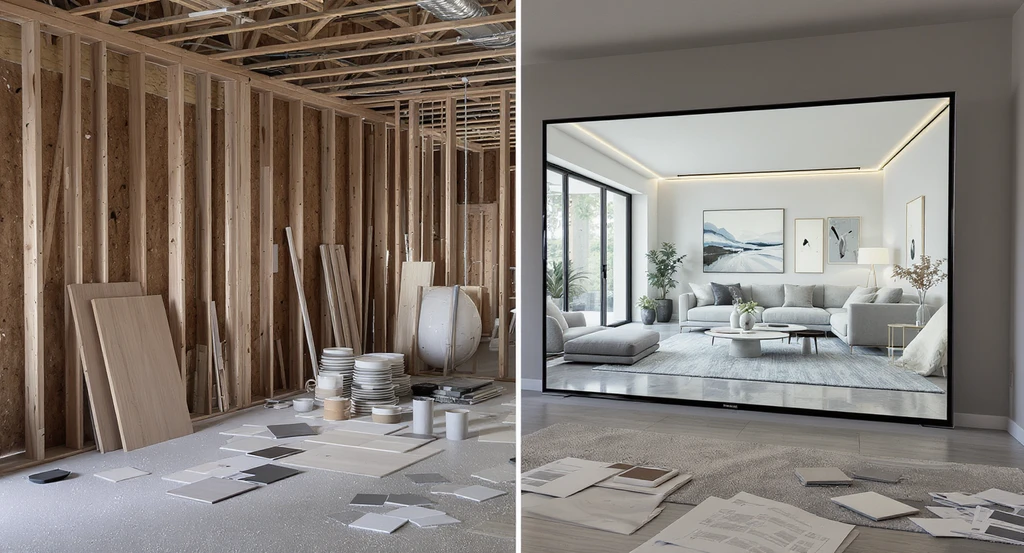
Bridging the visualization gap in home renovation: A realistic setup shows how lacking visual context causes uncertainty in renovation decisions. Visual tools like floor plans, material samples, and lighting previews help reduce mistakes and improve outcomes.
Most renovation regrets are not caused by uninspired design, they’re caused by visualization failures. People struggle to imagine actual scale, flow, color balance, and lighting by looking at flat plans or isolated samples. This cognitive challenge, known as the visualization gap, is the root cause of hesitation, misjudged layouts, and mismatched colors that lead to extra cost and stress. This mirrors the challenges outlined in our breakdown of the most common visualization gaps that hurt empty home sales, where lack of visual context leads to hesitation, misjudgment, and lower perceived value. This is where most homeowners pause. You’re staring at floor plans, samples, and Pinterest references, trying to imagine how everything will come together. It should feel exciting, but instead, it feels uncertain. This is also where budgets begin to spiral. Because when decisions are unclear:
- You second-guess choices
- You delay commitments
- Or worse, you move forward and fix mistakes later
Expert Insight
A family considered a kitchen island that seemed practical on paper but, when visualized in 3D, it became clear the island would block walkways and natural light. Seeing this early allowed them to adjust the plan, avoiding costly changes and improving the final result.
-
What Is the Visualization Gap in Renovation?
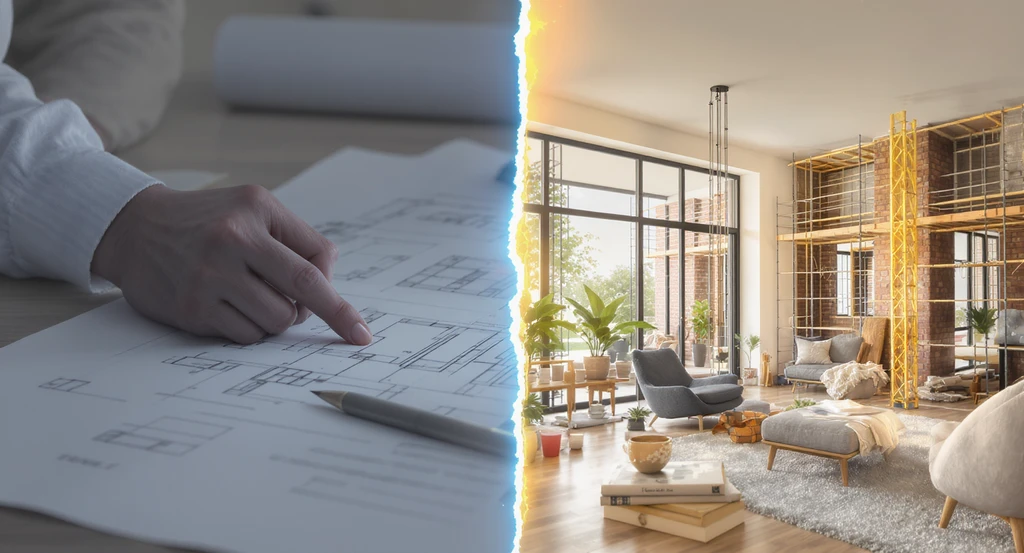
What Is the Visualization Gap in Renovation? Image
The visualization gap is the inability to mentally simulate a finished space using incomplete inputs like floor plans, samples, or mood boards.
- Decisions feel uncertain
- Outcomes become unpredictable
- Costs increase due to revisions
-
The Hidden Psychology Behind Renovation Mistakes
The Hidden Psychology Behind Renovation Mistakes Image
Most renovation mistakes aren’t technical, they’re psychological. Research in spatial cognition shows that people struggle to accurately imagine scale, lighting, and spatial relationships without visual aids. This leads to overconfidence during planning and regret after execution. In fact:
- Homeowners frequently underestimate how much space furniture occupies
- Lighting is often misjudged without real-world simulation
- Material combinations are chosen in isolation, not as a system
-
How Visualization Tools Eliminate Renovation Stress
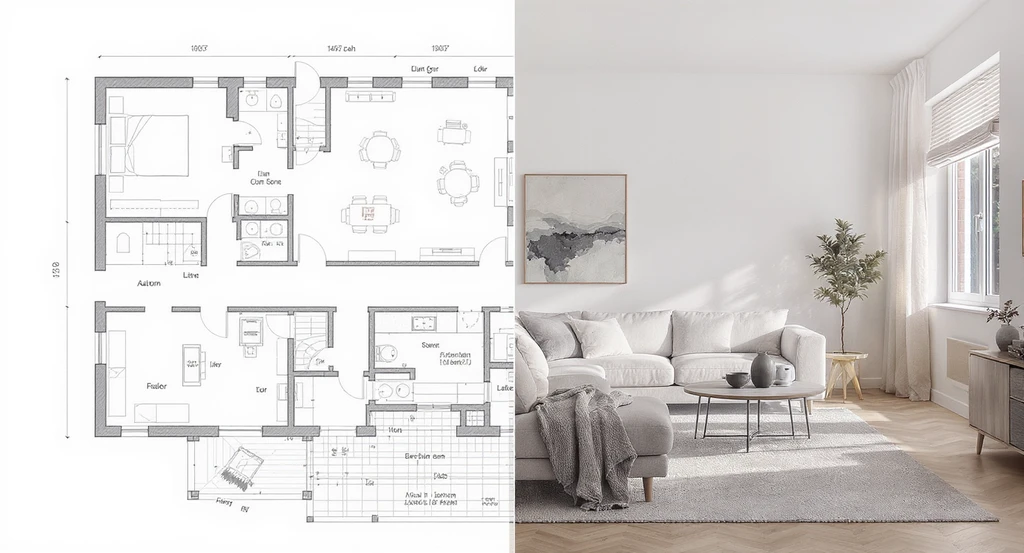
Bridging the visualization gap in home renovation, this image reveals how visual tools enable clearer decisions, showcasing psychology-driven previews of real layouts, furniture arrangement, and lighting to reduce renovation mistakes before building.
Renovation stress doesn’t come from too many choices, it comes from making unclear decisions. Visualization tools close this decision gap by turning abstract plans into testable, realistic previews. This lets you:
- See layouts and movement flow in context, before construction
- Test furniture placement and accurate scale
- Preview how lighting, materials, and color schemes interact
- Identify potential dead zones and awkward corners early
-
Home Renovation Planning Tools: Turning Ideas Into Decisions
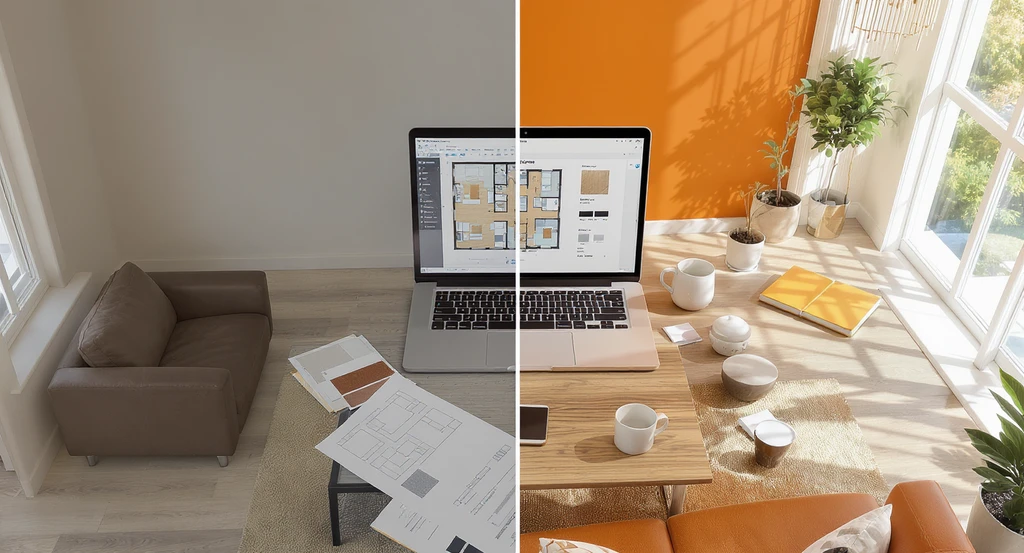
Visualization tools bridge the gap in home renovation planning, enabling clear decisions and reducing costly renovation mistakes before they occur.
If you’re planning a remodel, guesswork leads to costly mistakes. Modern home renovation tools let you visualize decisions before execution, so you plan with clarity, not risk.
- Map layouts with accurate dimensions
- Test furniture placement and spacing
- Preview materials in real context
- Walk through layouts before construction
- Spot tight spaces and inefficiencies early
- Adjust elements to real-world proportions
- Try colors, finishes, and layouts instantly
- Compare options side by side
- Preview lighting across different times
- Compare current and future versions
- Evaluate choices in realistic context
- Finalize decisions before spending
-
Five Costly Renovation Mistakes Visualization Prevents
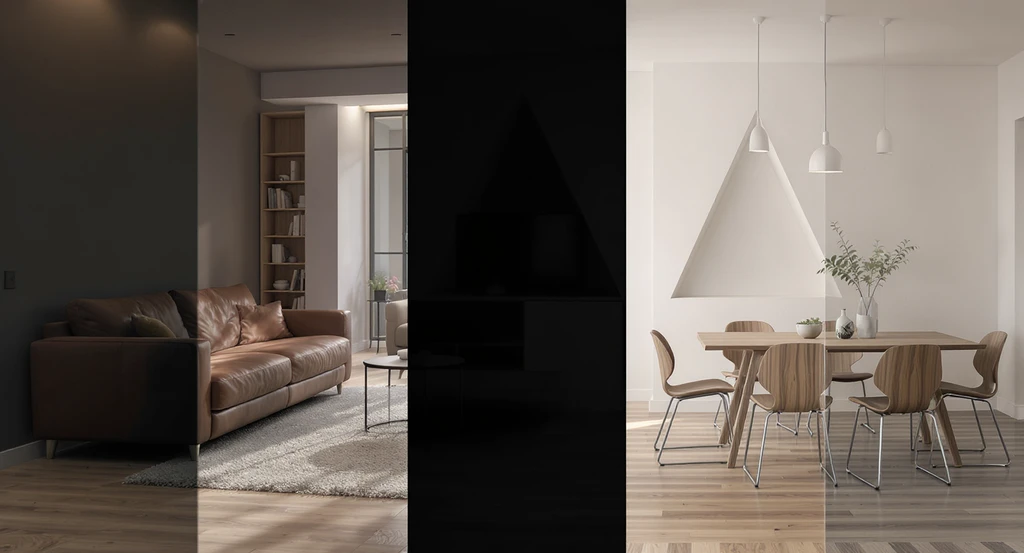
Bridging the visualization gap in home renovation is key to reducing costly renovation mistakes—visual tools reveal issues with lighting, layout, scale, and materials before you build.
When you don’t use visualization tools, certain costly mistakes are likely:
- Layout Misjudgment, looks fine on paper, fails in real movement
- Scale Errors, furniture overwhelms or underfills the space
- Color & Material Clash, finishes don’t work together in reality
- Lighting Miscalculation, rooms feel too dark or overly harsh
- Wasted Zones, awkward, unused areas appear after construction
-
Step-by-Step System: Using Visualization to Remove Risk
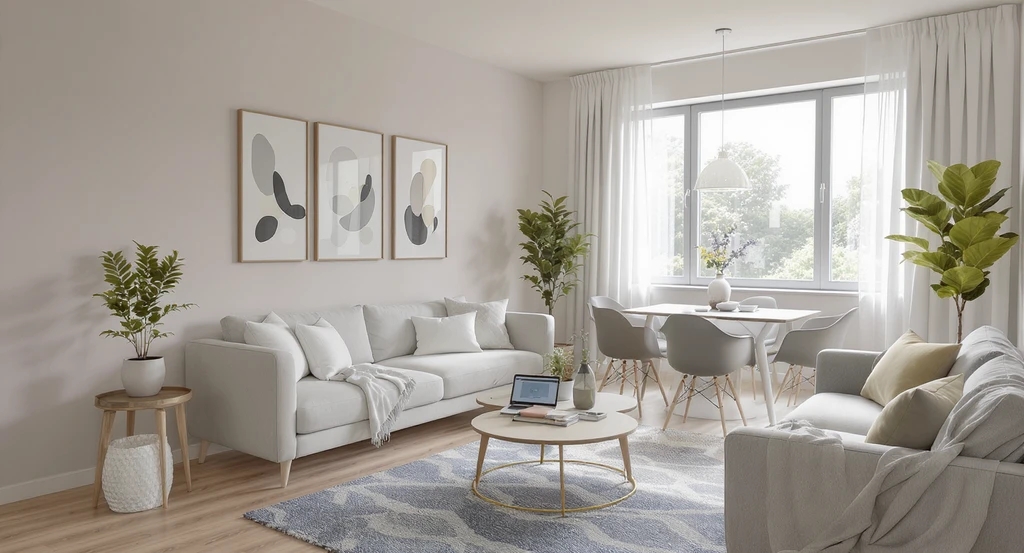
Step-by-Step System: Using Visualization to Remove Risk Image
To achieve the highest confidence in your renovation decisions, follow this step-by-step system:
- Start with an accurate, to-scale floor plan, including all walls, entries, and main features.
- Place major furniture and fixtures using real dimensions.
- Preview each layout and material combination under different lighting scenarios.
- Simulate the space at different times of day and for various uses.
- Assign every area a deliberate function, eliminate dead zones.
-
The Renovation Clarity Loop: A Simple System for Better Decisions
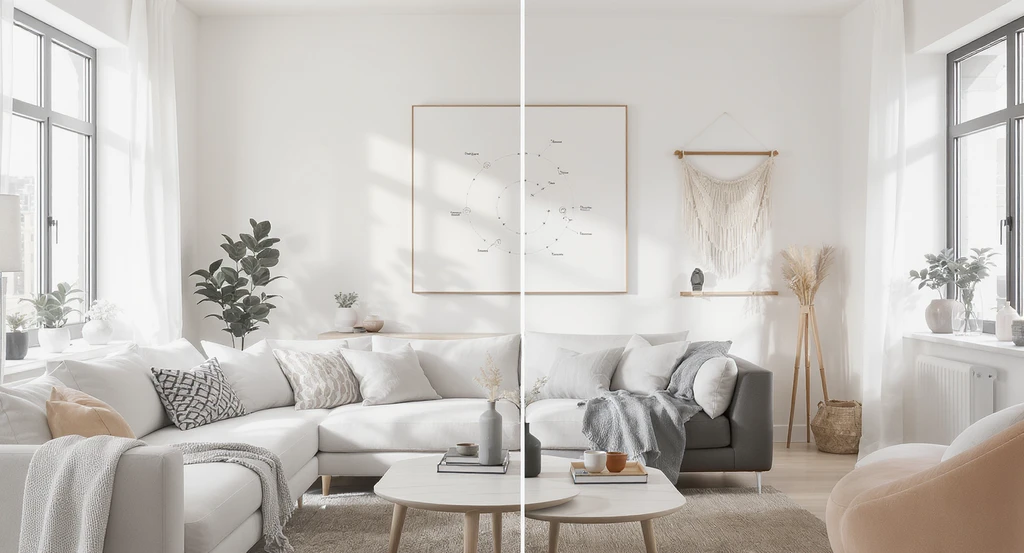
The Renovation Clarity Loop: A Simple System for Better Decisions Image
To remove guesswork completely, follow this four-step system:
- Visualize: Convert plans into realistic previews
- Test: Experiment with layouts, materials, and lighting
- Adjust: Identify and fix issues early
- Validate: Align all decisions before execution
-
Try This Before You Renovate
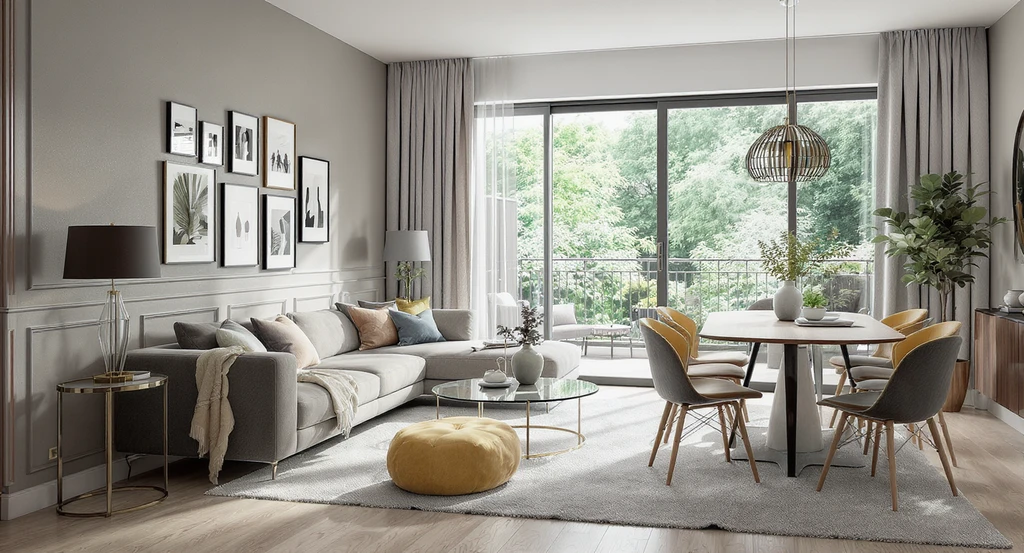
Try This Before You Renovate Image
Before committing to any layout or material, test your ideas visually. Upload your room, experiment with layouts, and explore different finishes in a realistic preview. Within minutes, you’ll know what works, and what doesn’t. See how your space could look before you spend a single rupee. The fastest way to reduce renovation risk is simple: upload your space into a visualization tool and test your decisions before committing. Because the best renovation decisions are the ones you can see clearly. Platforms like ReimagineHome | AI Interior Design Ideas & Virtual Staging allow you to upload a photo of your own room and make confident decisions with real visual feedback before spending time or budget.
-
Why This Works: Strategic Breakdown
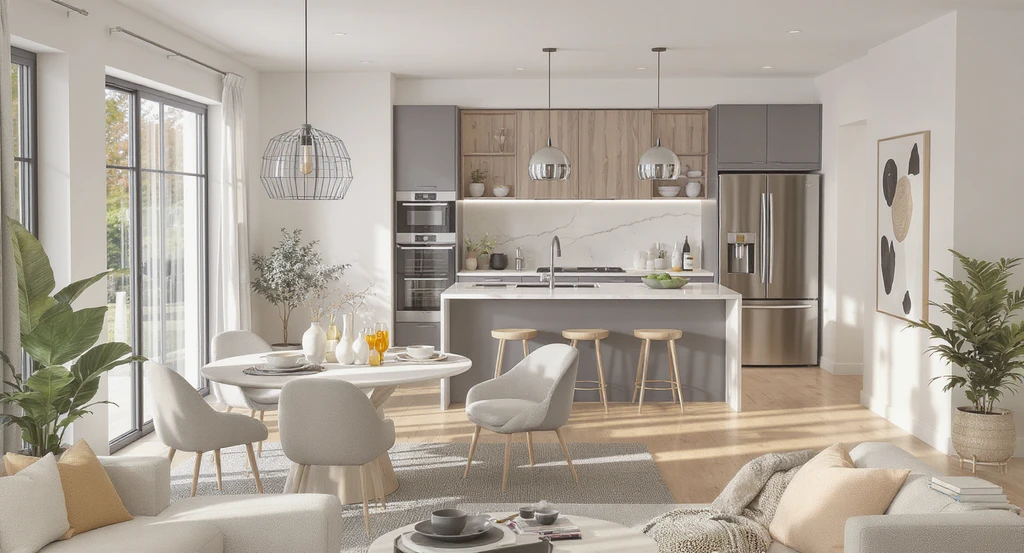
Why This Works: Strategic Breakdown Image
Visualization tools do more than reduce errors, they completely shift your decision-making process from assumption to certainty.
- Expands coverage: covers visualization, planning tools, 3D software, and before/after approaches
- Improves answer accuracy: supports both user and algorithmic discovery
- Boosts topical authority: covers all intent layers, psychology, mistakes, systems, and tech
- Removes guesswork: every decision is now evidence-based
Visualization Scenario
Picture standing in a bare room, unsure of color, layout, or lighting. You upload a photo to a visualization tool and instantly see multiple layouts, colors, and lighting options, each one rendered true-to-scale. Immediately, the confusion is gone, and your decision feels obvious.
Renovation Visualization FAQ
- Why is visualization important before renovation starts?
- It reveals layout, color, and functionality issues early—when fixes are quick and inexpensive. Visualization reduces second-guessing and regrets.
- Do I need expensive software for visualization?
- No. Many effective visualization tools are available online, from apps to platforms using your photos. The right one depends on your needs and project size.
- Does visualization really cut costs?
- Yes. Visualization reduces design revision, avoids material waste, and speeds up decision-making—leading to a more predictable and often lower total spend.
- How can visualization help with contractor communication?
- Detailed previews or 3D visuals provide a clear, shared reference for everyone involved—reducing misunderstandings and change orders.
- What’s the fastest way to get started?
- Upload a room photo or floor plan into a visualization tool and start testing options. You’ll clarify ideas before any physical work or spending occurs.
Renovate With Clarity, Not Guesswork
Making decisions you can’t visualize leads to stress, expensive missteps, and future regrets. Visualization tools remove that uncertainty, transforming renovations from risky undertakings into clear, controlled projects. By previewing layout, lighting, and finishes early, you minimize risk, avoid costly errors, and create spaces that function well and feel right from day one. Closing the visualization gap is the safest way to a successful renovation and a better result for your home.