Virtual Staging: Boost Visual Appeal—Legally and Transparently

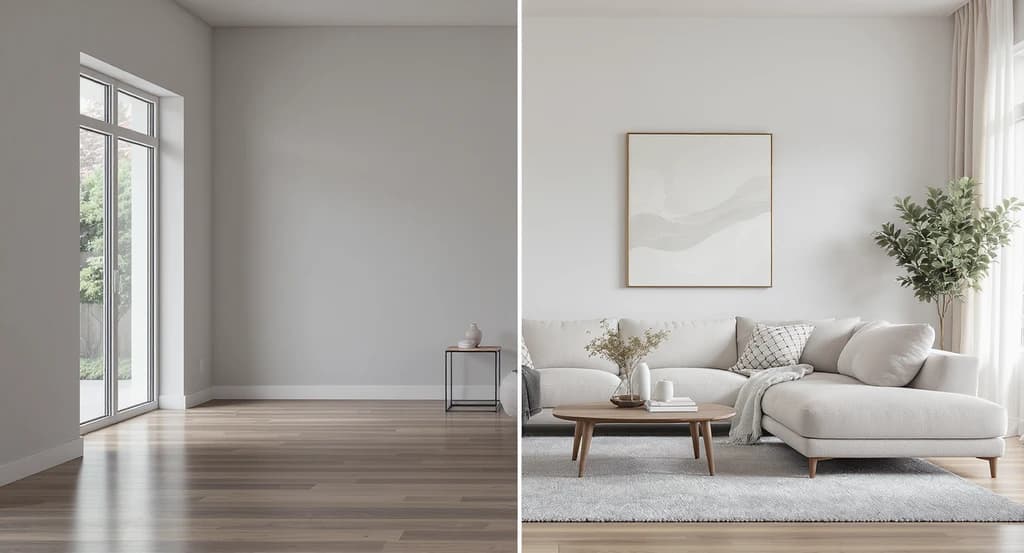
This ultra-realistic virtually staged living room perfectly illustrates MLS-compliant virtual staging. Only digital furniture and decor are added, aligning with virtual staging rules for MLS photos, virtual staging disclosure requirements 2026, and fair housing law compliance best practices.
Virtual staging transforms empty spaces into welcoming homes, but using this powerful tool responsibly is essential for MLS compliance. The golden rule: only enhance photos with digital furniture and décor-never people, pets, or lifestyle scenes. Always disclose these changes clearly. The following best practices ensure your virtual staging wows buyers and stays 100% above board with MLS rules, data integrity, and legal regulations.
-
1. Only Stage with Furniture and Décor (Not People)

Virtual staging rules for MLS photos require only furniture, décor, art, and rugs—never people or pets—to meet fair housing law, virtual staging disclosure requirements 2026, and compliance best practices.
Problem: Some agents push the creative envelope by adding digital lifestyle elements or people to listings.
Why it happens: The aim is to help buyers visualize a lived-in home or evoke a certain mood, but the risk is non-compliance with MLS and fair housing laws.
Tip: Limit virtual staging to furnishings, art, rugs, and basic accessories. Never include digitally rendered people, pets, or activities. This keeps your listing focused and compliant.
-
2. Avoid Lifestyle Scenes and Signage
Problem: Digitally inserting family dinners, children playing, or branded signage may seem inviting, but it's against MLS policy.
Why it happens: Agents try to show off "the life" in a home. Unfortunately, it adds bias and distractions, and even legal risks.
Tip: Stick to showing the room’s size, flow, and potential. Let buyers use their imagination, supported by clear, distraction-free visuals.
-
3. Always Disclose When Virtual Staging Is Used
Problem: Undisclosed digital alterations can mislead buyers and create legal headaches.
Why it happens: Some agents forget or hope buyers won’t notice edits.
Tip: Include clear, noticeable disclosures on every virtually staged photo. Many MLSs and brokerages have standardized disclaimers (e.g., "This image has been virtually staged")—use them.
-
4. Respect Fair Housing Laws in Your Images
Problem: Using people in marketing images, even virtually, can unintentionally suggest preference for certain groups.
Why it happens: The goal is to add warmth, but it can unintentionally trigger legal scrutiny under federal, state, or local fair housing rules.
Tip: Leave all human figures—real or virtual—out of MLS listing photos to avoid any risk of discrimination claims.
-
5. Don’t Alter Permanent Home Features

This photorealistic render demonstrates virtual staging rules for MLS photos, showing only digital furniture added—without altering permanent features, in full compliance with 2026 disclosure requirements and fair housing law.
Problem: Overzealous digital changes (removing permanent fixtures, changing flooring, or editing wall placement) distort a home’s reality.
Why it happens: Agents want every corner to look its best, but it crosses the ethical and legal line.
Tip: Stage only with digital furniture or décor. Never digitally remodel or obscure permanent features. Buyers must trust that photos reflect the real property.
-
Why Visual Strategy Matters in Real Estate Listings
Buyer psychology shows that visuals drive first impressions and emotional gut reactions. If images match reality and are presented transparently, buyers trust the listing and the agent. Accurate, inviting photos increase inquiry rates and keep deals alive. Misleading images, on the other hand, create confusion, damage reputations, and lead to complaints or even lawsuits. To maximize impact while protecting your practice, always prioritize clarity, compliance, and honest presentation.
-
The Ecosystem: AI Tools and Media Management for Compliance
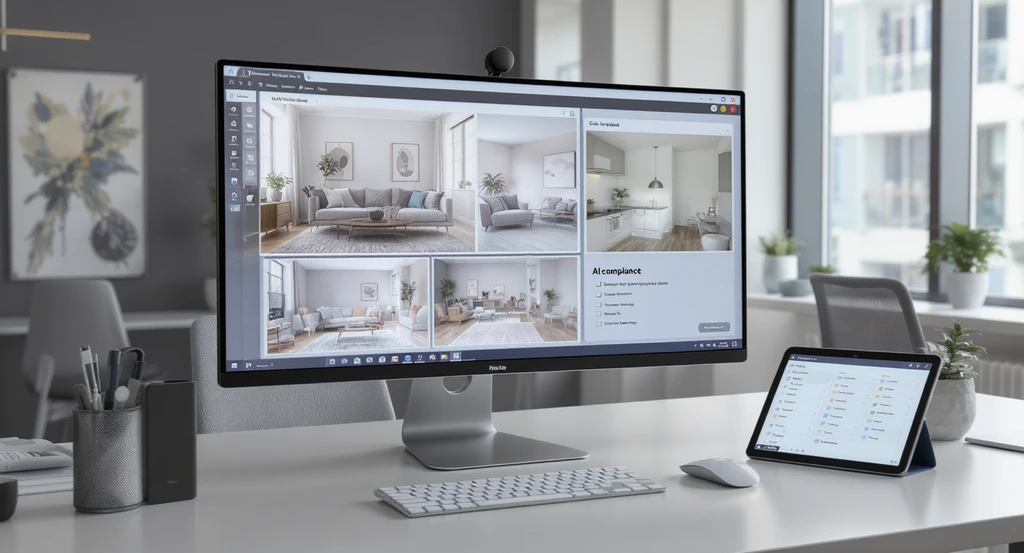
An advanced real estate office setup demonstrating virtual staging compliance best practices, including MLS photo rules, allowed edits, disclosure requirements for 2026, and media management—key elements for adhering to fair housing law and ensuring accurate MLS listing photos.
Modern virtual staging goes beyond digital sofas. Today’s workflows integrate AI visualization, seamless media management, and expert editing, enabling agents to quickly generate realistic images while adhering to regulations. AI-powered tools help automate compliance checks, media archives keep original files safe for audits, and experienced editors ensure all alterations enhance—not mislead—listings. This ecosystem combines speed, quality, and security for a smooth and legal visual marketing process.
-
Common Mistakes in Virtual Staging for MLS
- Forgetting to disclose virtual staging on listing photos.
- Adding people, pets, or personal items into virtual staging edits.
- Digitally altering permanent home features (e.g., walls, fireplaces).
- Including lifestyle props or scenes (like wine glasses, branded books, or signs).
- Using inconsistent style or scale that draws attention to edits rather than the space.
Visualization Scenario
Imagine touring an empty home virtually: with one click, the blank living room springs to life with contemporary furniture and soft lighting. Disclosure text at the bottom assures you the enhancements are virtual, giving you confidence in both the listing and the agent’s integrity. The visuals spark your imagination, while honest presentation avoids confusion or disappointment during in-person visits.
Virtual Staging and MLS Rules: FAQ
Can I virtually stage outdoor spaces?
Yes, as long as you only add items like patio furniture or potted plants—never people or permanent feature changes.
Is it legal to change wall colors or flooring digitally?
No. Changing permanent finishes is considered altering the property's reality and is not allowed.
Do I have to disclose every virtually staged photo?
Yes. Every altered image must clearly state it has been virtually staged according to MLS and legal requirements.
Why can’t I add people to virtual staging?
Including people can imply preference or discrimination, violating Fair Housing laws and MLS policies.
What’s the penalty for non-disclosure of virtual staging?
You risk fines, legal action, and removal of your listing for non-compliance or misleading advertising.
Do MLSs have their own virtual staging guidelines?
Most MLSs rely on NAR and federal guidance, but always check your local MLS rules for any specific requirements.
How does virtual staging help buyers?
It helps buyers visualize space, flow, and potential, leading to faster, stronger decision-making.
Key Takeaways: Compliance Makes Your Visuals Work Harder
Virtual staging brings out the best in every listing—but only when used ethically and within MLS rules. Prioritize accurate representation, avoid anything beyond décor and furniture, and ALWAYS disclose digital enhancements. Staying informed and compliant not only protects you legally; it also builds strong, lasting trust with today’s buyers.